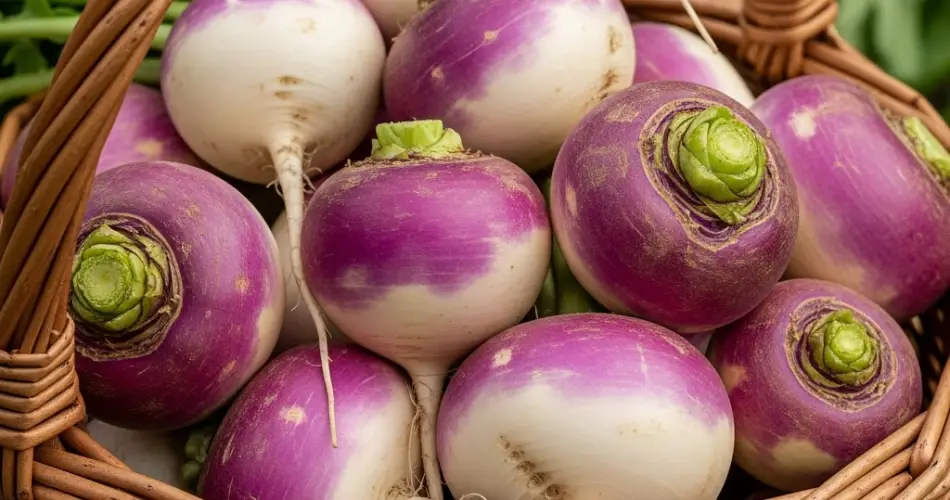
Turnips are a fast-growing root vegetable prized for both their tasty bulbs and leafy greens. Whether you’re growing them for salads, roasting, or soups, knowing exactly when to harvest them is key to getting the best flavor and texture. Harvesting too early might yield small, underdeveloped roots, while waiting too long can result in woody, bitter turnips that are difficult to enjoy.
If you’ve been watching your turnips grow and wondering when it’s time to pull them up, this guide will walk you through how to tell when they’re ready—and how to harvest them the right way.
Understanding the Turnip Growth Cycle
Turnips grow quickly and are typically ready for harvest between 30 and 60 days after planting, depending on the variety and growing conditions. Some smaller turnip types mature faster, while larger storage types may take a little longer.
Turnips grow both above and below the soil: leafy green tops shoot up while the round root begins to swell beneath the surface. The trick to perfect timing lies in monitoring both parts of the plant.
Signs Your Turnips Are Ready to Harvest
1. Size of the Bulb
One of the easiest indicators of maturity is the size of the turnip bulb. Most mature turnips are 2 to 3 inches in diameter, though some smaller or specialty varieties may be harvested when just 1 inch wide.
You can check the size without disturbing the plant too much by brushing back a bit of the soil at the base of the greens. If the shoulders of the turnip are visible and look round and firm, it may be time to harvest.
Tip: Avoid waiting until the bulb is larger than 3–4 inches unless the variety is specifically bred for size. Oversized turnips tend to be tough, stringy, and less flavorful.
2. Days to Maturity
Check the seed packet or planting guide for the variety you planted. Most turnips are ready between 35 and 60 days after sowing. Keeping track of your planting date will help you gauge when it’s time to start checking.
3. Leaf Growth and Appearance
The greens will also offer a clue. Healthy turnip tops are lush, green, and stand about 6 to 12 inches tall when the plant is mature. If the tops are starting to yellow or flop over—and the root is at the right size—this is a sign the plant is fully grown.
Keep in mind that turnip greens can be harvested even before the root is mature. Many gardeners take a few leaves early for salads or sautéing, as long as they don’t remove more than a third of the plant at a time.
How to Harvest Turnips Without Damaging Them
Once you’ve confirmed your turnips are ready, harvesting is simple—but must be done gently to avoid damaging the root.
Step 1: Loosen the Soil
Use a hand trowel or garden fork to carefully loosen the soil around each turnip. Start a few inches away from the bulb to avoid piercing or slicing it.
Step 2: Pull the Turnip Gently
Grasp the base of the leaves near the root and gently pull upward. If the soil is compacted or the root resists, wiggle it slightly while pulling to ease it free.
Step 3: Clean and Sort
Brush off excess dirt but avoid washing if you plan to store them. Wet roots don’t store well and may rot. Set aside any damaged or split turnips to use right away, and group clean, unblemished ones for longer storage.
When to Harvest Turnip Greens
If you’re growing turnips primarily for greens or just want to enjoy both parts of the plant, harvest the leaves when they are young and tender, usually about 4–6 inches long. Regular picking encourages fresh growth and doesn’t harm the root development if done lightly.
You can:
-
Pick a few outer leaves from each plant.
-
Harvest all the greens at once, then pull the root later.
Younger greens are sweeter and less bitter than older, tougher leaves.
Best Time of Day to Harvest
Harvest turnips in the morning, when the soil is cool and the roots are firm and crisp. Avoid harvesting during the hottest part of the day, especially if the leaves are wilted. If your soil is dry and hard, water lightly the day before to make harvesting easier.
Storage Tips for Fresh Turnips
-
For immediate use: Store in the refrigerator in a perforated plastic bag or wrapped in a damp cloth for up to 2 weeks.
-
For longer storage: Trim greens to about 1 inch and store unwashed roots in a cool, dark, humid place (like a root cellar or fridge drawer).
-
Don’t store turnips with their greens attached—this draws moisture from the root and causes shriveling.
Final Thoughts
Knowing when to harvest your turnips is essential for enjoying their full flavor and texture. By monitoring the size, leaf growth, and days to maturity, you can confidently pull your crop at just the right time. With a gentle hand and a few simple steps, you’ll enjoy crisp, delicious turnips straight from your garden—whether roasted, mashed, pickled, or fresh in salads.


