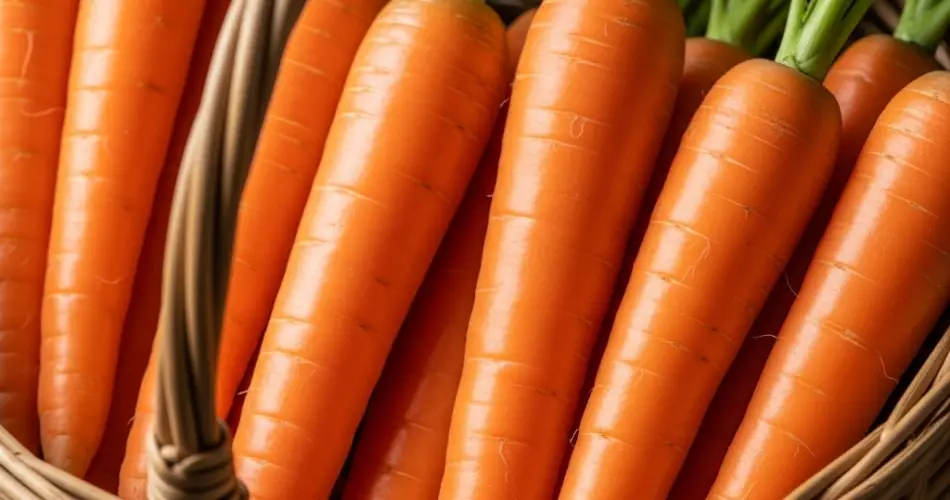
If your carrots turn out bland or woody despite your best efforts, the issue might not be the seeds or watering—it could be your soil nutrition. Carrots thrive when they have the right balance of nutrients, especially when you’re aiming for a sweet, tender, and crunchy harvest. Instead of relying on chemical fertilizers, you can make a natural, effective carrot fertilizer at home using ingredients you may already have.
Why Carrots Need Special Fertilizer
Carrots are root vegetables, so they absorb nutrients directly from the soil where they grow. While leafy plants thrive on nitrogen, too much nitrogen can cause carrots to grow excessive foliage while producing small or misshapen roots. Carrots require more phosphorus and potassium to develop strong, sweet, and firm taproots.
The key is using a low-nitrogen, high-potassium fertilizer that boosts root development without promoting unnecessary leaf growth.
Homemade Fertilizer for Carrots
This simple recipe is tailored to the nutritional needs of carrots. You’ll be using natural materials that break down slowly, feeding the plants gently over time.
Ingredients:
-
1 part wood ash (potassium source)
-
1 part finely crushed eggshells (calcium source)
-
1 part banana peel powder or dried banana peel bits (potassium and phosphorus)
-
1 part bone meal or finely ground fish bones (phosphorus source)
-
Optional: a small pinch of Epsom salt (magnesium, if your soil is deficient)
These ingredients offer a well-rounded mix of nutrients that support healthy carrot root growth and improve flavor and texture.
How to Make It
-
Prepare the Ingredients:
-
Collect banana peels, dry them thoroughly, and grind them into small flakes or powder.
-
Save eggshells, dry them, and crush them as finely as possible.
-
If you have a fireplace or burn wood outdoors, collect fine wood ash once it’s cool and dry.
-
Buy bone meal or dry and crush your own cleaned fish bones if available.
-
-
Mix Thoroughly:
In a clean container or bucket, mix equal parts of the dry ingredients. You want a balanced, uniform blend, so stir well. -
Store Properly:
Keep the fertilizer mix in a sealed container away from moisture. It will stay potent for several weeks, ready to use as needed.
How to Apply the Fertilizer
Apply the fertilizer before planting and as a top dressing during the growing season.
Pre-Planting:
-
Before sowing carrot seeds, loosen the soil to a depth of 12 inches (30 cm) to help roots grow straight.
-
Mix 1 to 2 handfuls of the fertilizer into every square foot (about 30 cm²) of soil.
-
Avoid placing the fertilizer directly under where the seeds will go—mix it evenly into the surrounding soil.
During Growth:
-
About 3 to 4 weeks after germination, apply a small amount of the mix around the carrot plants, about 1 to 2 inches away from the stems.
-
Water well to help nutrients soak into the soil.
-
Repeat once more around mid-season if carrots take longer to mature in your climate.
Tips for Better Carrots
-
Thin the seedlings early so each carrot has enough space—crowding can lead to twisted, stunted roots.
-
Avoid fresh manure, as it’s too rich in nitrogen and may cause root deformities or excessive foliage.
-
Water consistently. Uneven watering can lead to split roots or woody texture. Aim to keep the soil moist but not soggy.
-
Mulch lightly to retain moisture and suppress weeds, especially in hot climates.
Signs of Good Nutrition
Carrots grown with this fertilizer mix should display:
-
Strong, green tops (but not overly lush)
-
Vibrant orange or purple color depending on the variety
-
Smooth, straight roots
-
Sweet, crisp texture with minimal bitterness
If your soil is already rich in organic matter, you might only need to supplement lightly. However, sandy or nutrient-poor soils will benefit greatly from this natural mix.
Final Thoughts
Sweet, crunchy carrots don’t require expensive store-bought fertilizers. With a little preparation and some kitchen scraps, you can provide the perfect nutrients your carrots need to thrive. This simple, natural fertilizer not only supports root development but also improves the overall taste and texture of your harvest. Healthy soil grows healthy vegetables—and your carrots will thank you with every crisp, flavorful bite.


