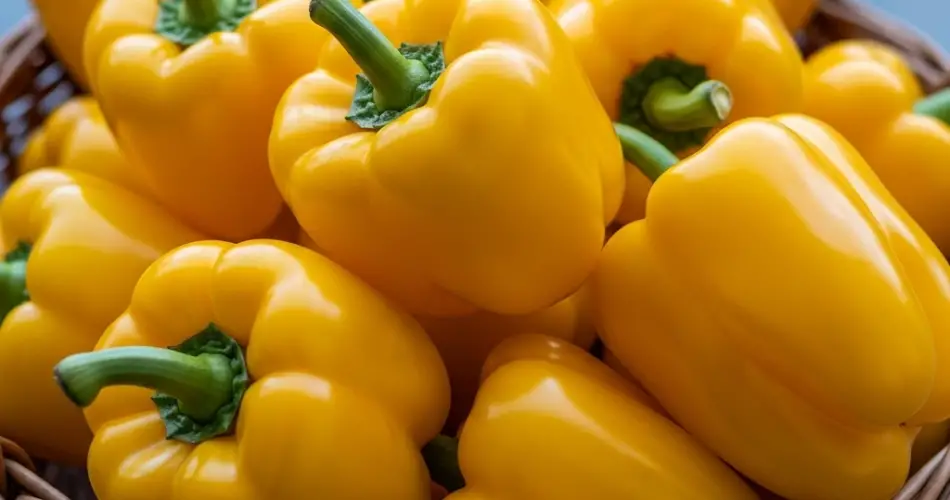
Pepper plants thrive when they receive the right nutrients at the right time. Whether you’re growing sweet bell peppers or spicy chili varieties, using organic fertilizers can dramatically improve both the size and yield of your harvest. These natural options enrich the soil, encourage microbial activity, and promote long-term plant health without the use of synthetic chemicals.
Here’s a guide to the best organic fertilizers for pepper plants and how to apply them effectively throughout the growing season.
Understanding Pepper Plant Nutrient Needs
Before choosing a fertilizer, it’s essential to understand what nutrients pepper plants require:
-
Nitrogen (N) encourages leafy growth, especially important in the early stages.
-
Phosphorus (P) supports strong root development and flower/fruit production.
-
Potassium (K) is vital for overall plant health and fruit quality.
Pepper plants also benefit from secondary nutrients like calcium (to prevent blossom-end rot), magnesium, and sulfur, as well as trace elements such as iron and zinc.
Best Organic Fertilizers for Peppers
-
Compost
-
Compost is one of the most accessible and beneficial organic fertilizers.
-
It improves soil structure, water retention, and nutrient content.
-
Apply a 2–3 inch layer to the garden bed before planting and mix it into the topsoil.
-
-
Aged Manure
-
Well-rotted cow, horse, or chicken manure is rich in nutrients.
-
Avoid fresh manure as it can burn roots and introduce pathogens.
-
Use it as a pre-planting soil amendment or top dressing during the growing season.
-
-
Fish Emulsion
-
High in nitrogen, this liquid fertilizer is great for early growth.
-
Apply as a foliar spray or soil drench every 2–3 weeks.
-
It’s fast-acting and helps jumpstart young pepper seedlings.
-
-
Bone Meal
-
A slow-release source of phosphorus and calcium.
-
Ideal for transplanting and flowering stages.
-
Mix into the planting hole or apply around the base of the plant during bloom time.
-
-
Wood Ash
-
A natural source of potassium and lime.
-
Helps improve fruit quality and prevent disease.
-
Use sparingly and only if your soil isn’t already alkaline.
-
-
Epsom Salt
-
Provides magnesium and sulfur, both essential for photosynthesis and flavor.
-
Mix 1 tablespoon in a gallon of water and spray on leaves every two weeks.
-
-
Comfrey Tea
-
Comfrey leaves are high in potassium.
-
Steep chopped leaves in water for a few weeks to create a potent liquid fertilizer.
-
Dilute before use and apply during flowering and fruiting.
-
Fertilizer Schedule for Pepper Plants
-
At Planting: Mix compost or aged manure into the soil. Add a handful of bone meal to support root development.
-
Early Growth (2–4 weeks after transplanting): Apply fish emulsion or compost tea every 10–14 days to boost foliage growth.
-
Pre-Flowering: Reduce nitrogen-heavy feedings. Start applying potassium-rich fertilizers like wood ash or comfrey tea.
-
Fruiting Stage: Use a balanced organic fertilizer or one slightly higher in potassium and phosphorus. Continue with Epsom salt spray to enhance fruit quality.
Tips for Maximizing Fertilizer Effectiveness
-
Water wisely: Fertilizers are most effective when the soil is moist. Avoid overwatering, which can leach nutrients.
-
Mulch your plants: Use straw or compost as mulch to retain moisture and slowly release nutrients.
-
Monitor plant health: Yellow leaves may indicate nitrogen deficiency, while poor fruit set can be due to lack of phosphorus or pollination issues.
Common Mistakes to Avoid
-
Over-fertilizing: Too much nitrogen can lead to lush foliage but few fruits.
-
Wrong timing: Applying the wrong fertilizer at the wrong growth stage can stunt development or delay flowering.
-
Ignoring pH: Peppers prefer slightly acidic to neutral soil (pH 6.0–7.0). Test your soil and adjust accordingly using lime or sulfur.
Final Thoughts
Feeding your pepper plants with organic fertilizers is one of the best ways to ensure a healthy, productive garden. By understanding your plant’s needs and using the right organic materials at the right time, you can enjoy a bountiful harvest of flavorful, vibrant peppers throughout the growing season. Whether in containers or garden beds, a consistent organic feeding schedule will reward you with healthy plants and high-quality fruits.


