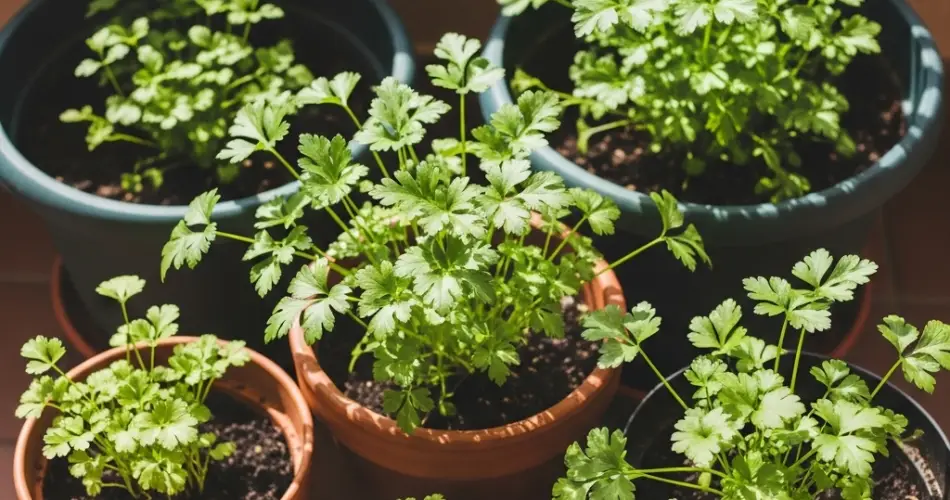
Parsley is a popular, versatile herb that adds fresh flavor and vibrant green color to a wide range of dishes. Whether you’re garnishing soups, salads, or sauces, having fresh parsley on hand elevates your cooking. However, many gardeners find parsley slow to grow or struggle to keep it healthy. With the right care, you can grow lush, vigorous parsley quickly and enjoy a continuous harvest.
This guide will walk you through proven steps to care for parsley effectively and speed up your results, whether you’re growing it in containers, garden beds, or indoor pots.
Why Grow Parsley?
Parsley is more than just a garnish—it’s rich in vitamins A, C, and K, packed with antioxidants, and has numerous culinary and health benefits. It’s also:
-
Easy to grow for beginners.
-
Suitable for both outdoor gardens and indoor windowsills.
-
Hardy enough to handle various climates with proper care.
By optimizing growth conditions, you can enjoy a bountiful supply of this flavorful herb faster than you might expect.
Step 1: Choose the Right Variety
Parsley comes in two main types:
-
Curly-leaf parsley: Often used as garnish, it has ruffled leaves and a milder flavor.
-
Flat-leaf (Italian) parsley: Preferred by chefs for its robust flavor and ease of chopping.
Flat-leaf parsley generally grows faster and is more tolerant to heat, making it a great choice if you want quick, tasty results.
Step 2: Select Ideal Growing Conditions
Parsley thrives in cool to moderate climates but can adapt well if you provide the right environment.
-
Light: Parsley prefers full sun but tolerates partial shade, especially in hotter climates.
-
Soil: Use well-draining, fertile soil rich in organic matter. A slightly acidic to neutral pH (6.0 to 7.0) is ideal.
-
Temperature: Parsley grows best between 50°F and 70°F (10°C to 21°C).
If growing indoors, place your parsley near a sunny window that gets at least 6 hours of light daily or use supplemental grow lights.
Step 3: Start Seeds or Buy Transplants
Parsley seeds can be slow to germinate, often taking 2-4 weeks, which is a common source of frustration. To speed things up:
-
Soak seeds overnight in warm water before planting to soften the seed coat.
-
Start seeds indoors 8-10 weeks before the last frost date if planting outdoors.
-
Alternatively, buy healthy nursery transplants to get a jumpstart on growth.
Sow seeds about 1/4 inch deep, spacing them 6 to 8 inches apart. Thin seedlings to avoid overcrowding once they sprout.
Step 4: Water Consistently and Correctly
Parsley prefers moist but not soggy soil. Consistent watering encourages steady growth.
-
Water deeply about twice a week or more often in hot weather.
-
Avoid waterlogging the soil, which can lead to root rot.
-
Mulch around the base with straw or shredded leaves to retain moisture and regulate temperature.
Step 5: Fertilize to Boost Growth
Parsley benefits from regular feeding to produce lush, leafy growth.
-
Use a balanced liquid fertilizer every 3 to 4 weeks during the growing season.
-
Alternatively, work compost or well-rotted manure into the soil before planting.
-
Avoid excessive nitrogen, which encourages leaf growth but weakens flavor and can attract pests.
Step 6: Prune and Harvest Smartly
Harvesting parsley regularly actually promotes faster, bushier growth.
-
Use scissors or garden shears to cut stems about an inch above the soil level.
-
Pick outer stems first, allowing inner stems to mature.
-
Avoid cutting more than one-third of the plant at a time to prevent stress.
-
Frequent harvesting encourages the plant to produce new leaves more quickly.
Step 7: Manage Pests and Diseases Naturally
Parsley is generally resilient but can be affected by:
-
Aphids
-
Caterpillars
-
Fungal diseases like leaf spot
To prevent and control these issues:
-
Inspect plants regularly for pests.
-
Use insecticidal soap or neem oil sprays if needed.
-
Ensure good air circulation by spacing plants properly.
-
Avoid overhead watering to reduce fungal risks.
Step 8: Extend Your Harvest
To get parsley faster and longer:
-
Succession plant every 2-3 weeks during the growing season to maintain a constant supply.
-
Bring potted parsley indoors during colder months for year-round harvest.
-
Use grow lights during short winter days to keep parsley healthy inside.
Bonus Tips for Faster Growth
-
Use seed-starting trays and keep them warm (70-75°F) to speed germination.
-
Keep soil consistently moist during germination to prevent drying out.
-
Add a thin layer of vermiculite or light mulch to keep seeds warm and moist.
-
Avoid transplant shock by hardening off seedlings before moving them outdoors.
Final Thoughts
Growing parsley successfully and harvesting it quickly doesn’t have to be complicated. By choosing the right variety, providing ideal growing conditions, consistent watering, and smart harvesting, you’ll see faster results and enjoy a steady supply of fresh parsley.
Whether you have a garden patch, a balcony, or just a sunny windowsill, parsley is a rewarding herb to grow with many benefits. Start applying these tips today, and you’ll have thriving parsley plants ready to boost your meals and garden aesthetics in no time.


