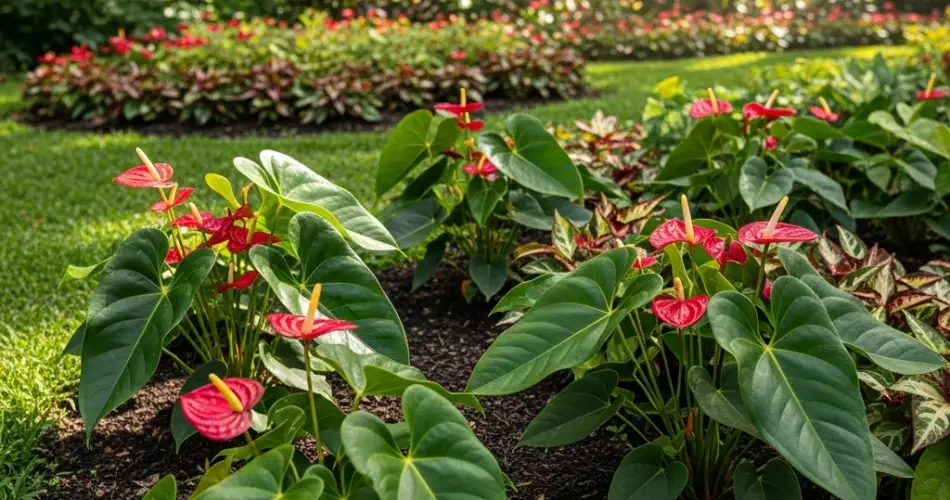
Anthuriums are stunning tropical plants admired for their glossy, heart-shaped leaves and vibrant, long-lasting flowers. Their striking red, pink, or white spathes and bright yellow spadices make them a favorite among gardeners looking to add a splash of color and exotic flair to their spaces. While many think cultivating anthuriums requires specialized care and expensive fertilizers, you can actually grow and nurture these beauties with surprising ease by using simple kitchen scraps.
This article will guide you through transforming your garden into a vibrant tropical paradise with anthurium plants, leveraging everyday organic waste from your kitchen. It’s an eco-friendly and cost-effective way to enrich your plants, enhance growth, and add life to your garden without complicated gardening routines.
Why Anthurium is a Garden Game-Changer
Before diving into the kitchen scrap method, it’s important to understand why anthuriums are a great addition to any garden:
-
Aesthetic appeal: Their bright, waxy flowers and lush foliage brighten any indoor or outdoor space.
-
Air purifiers: Like many tropical plants, anthuriums help improve indoor air quality.
-
Long bloom time: With proper care, anthuriums can flower year-round.
-
Adaptability: They thrive indoors as houseplants or outdoors in warm climates.
Step 1: Choose a Healthy Anthurium Plant or Propagate from Cuttings
If you don’t already have an anthurium, purchase a healthy plant from a nursery or garden center. Alternatively, anthuriums can be propagated from stem cuttings or divisions if you have access to a mature plant.
To propagate:
-
Select a healthy stem with a few leaves.
-
Cut a 4-6 inch section just below a node.
-
Remove lower leaves to prevent rot.
-
Root the cutting in moist soil or water until roots develop.
Step 2: Prepare Kitchen Scraps to Create Nutrient-Rich Compost
Kitchen scraps are a treasure trove of nutrients that can boost anthurium growth naturally. Common scraps include:
-
Vegetable peelings (carrots, potatoes, cucumbers)
-
Coffee grounds
-
Eggshells
-
Banana peels
-
Onion and garlic skins
Avoid using citrus peels or greasy food scraps as they can affect soil pH or attract pests.
How to make compost from kitchen scraps:
-
Collect scraps in a compost bin or container with good drainage.
-
Chop larger scraps into small pieces to speed decomposition.
-
Layer kitchen scraps with dry leaves or shredded paper to balance moisture.
-
Turn the compost pile every few days to aerate.
-
In about 4-6 weeks, you’ll have nutrient-rich compost ready to use.
Step 3: Use Compost to Enrich Anthurium Soil
Anthuriums prefer well-draining, slightly acidic soil with plenty of organic matter. Mix your homemade kitchen scrap compost into potting soil or garden beds to:
-
Improve soil structure
-
Boost moisture retention
-
Provide essential nutrients slowly over time
A typical mix for anthuriums includes:
-
1 part compost-enriched soil
-
1 part peat moss or coconut coir
-
1 part orchid bark or perlite (for drainage)
Step 4: Watering and Placement for Thriving Anthuriums
Anthuriums enjoy consistent moisture but dislike soggy soil.
-
Water your plants when the top inch of soil feels dry.
-
Use room-temperature, filtered, or rainwater if possible to avoid chlorine buildup.
-
Avoid overhead watering to prevent fungal issues; water at the soil level.
-
Place anthuriums in bright, indirect light—direct sun can scorch their leaves.
-
Maintain humidity around 60-80%, which you can boost by misting or placing a humidity tray nearby.
Step 5: Feed Anthuriums with Kitchen Scrap Teas
In addition to compost, you can make nutrient “teas” from kitchen scraps to give your anthuriums a gentle fertilizer boost.
How to make kitchen scrap tea:
-
Soak vegetable peelings, coffee grounds, and banana peels in a large jar of water.
-
Let the mixture steep for 3-5 days, stirring occasionally.
-
Strain the liquid and dilute it with water at a ratio of 1:5.
-
Use this nutrient-rich tea to water your anthuriums once every two weeks.
This natural fertilizer provides nitrogen, potassium, and other trace minerals essential for lush foliage and vibrant blooms.
Step 6: Regular Maintenance for Long-Lasting Beauty
-
Prune yellow or damaged leaves to encourage new growth.
-
Keep an eye out for pests like aphids, spider mites, or mealybugs; treat infestations promptly with insecticidal soap or neem oil.
-
Repot anthuriums every 2-3 years using fresh compost-enriched soil to prevent root crowding and refresh nutrients.
-
Maintain steady humidity and temperature, avoiding cold drafts or sudden changes.
Why This Kitchen Scrap Method Works So Well
Using kitchen scraps to nurture anthuriums isn’t just budget-friendly—it’s an environmentally conscious way to reduce household waste while creating a natural growth cycle in your garden. The slow release of nutrients from compost and teas mimics the tropical forest floor where anthuriums thrive, supporting healthy root development and abundant flowering.
Final Thoughts
Transforming your garden with anthuriums is easier and more sustainable than you might think. By repurposing common kitchen scraps into compost and natural fertilizers, you provide your plants with rich nourishment that supports vigorous growth and stunning blooms. This approach not only enhances your garden’s beauty but also promotes a greener lifestyle by minimizing waste.
Start collecting your kitchen scraps today and watch your anthuriums flourish with surprising ease, bringing a touch of tropical elegance to your home or garden all year round.


