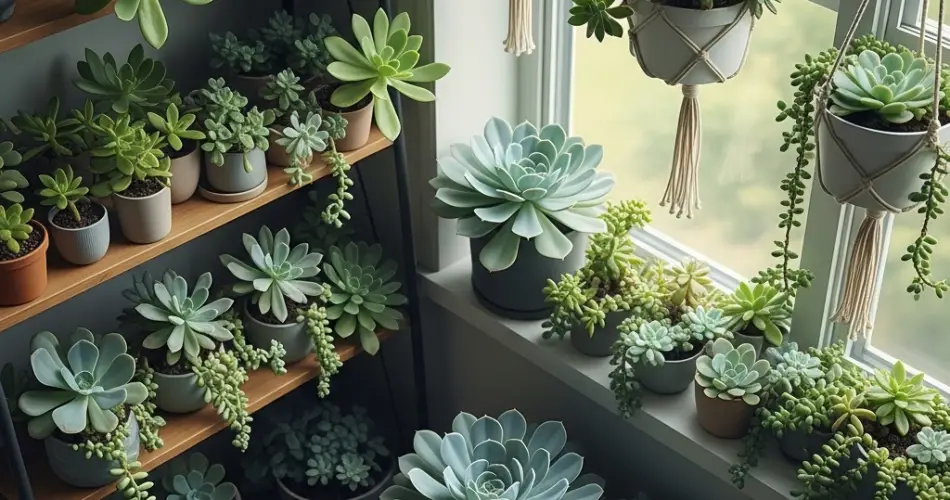
Succulents have surged in popularity in recent years—and for good reason. These charming plants are not only visually appealing with their thick, fleshy leaves and unique shapes, but they are also incredibly easy to care for. If you live in a small apartment and think you don’t have enough space or a green thumb to nurture plants, succulents might be the perfect solution to transform your indoor garden.
Here’s how to cultivate and care for succulents to create a stunning, low-maintenance green space—even if you’re new to gardening or short on space.
Why Choose Succulents?
Succulents are ideal for apartment dwellers because they:
-
Require minimal watering, thanks to their water-storing leaves.
-
Thrive in small containers, making them perfect for windowsills, shelves, and desks.
-
Come in diverse shapes, sizes, and colors, allowing for creative arrangements.
-
Help purify indoor air and brighten up any room.
-
Can survive in various lighting conditions, from bright to moderate indirect light.
Even if you’ve struggled with plants before, succulents offer a forgiving and adaptable option.
Choosing the Right Succulents for Your Space
There’s a wide variety of succulents available, and selecting the right types will help ensure success in your apartment:
-
Echeveria: Rosette-shaped with soft, colorful leaves.
-
Haworthia: Small, slow-growing plants with interesting striped leaves.
-
Aloe Vera: Known for its healing gel, aloe is easy to grow and can get quite large.
-
Jade Plant (Crassula ovata): A classic succulent tree that can thrive indoors.
-
Sedum: A sprawling succulent that works well in hanging pots or as ground cover.
When starting, choose a few varieties that match your lighting conditions and space.
Light Requirements for Succulents
Most succulents prefer bright, indirect sunlight. A south or east-facing window is usually ideal. If natural light is limited, consider using a grow light designed for houseplants.
Here are some tips for lighting:
-
Rotate your succulents every week to ensure even growth.
-
Avoid prolonged direct sunlight through glass, which can burn the leaves.
-
In low-light areas, select varieties like Haworthia or Sansevieria that tolerate shade better.
Soil and Containers
Succulents need well-draining soil to prevent root rot. Use a commercial cactus and succulent mix or make your own by combining regular potting soil with sand or perlite.
Container choice is important too:
-
Use pots with drainage holes to allow excess water to escape.
-
Terracotta pots are great because they absorb moisture, helping the soil dry out faster.
-
Small containers are ideal for desks or shelves, while larger pots work for statement pieces.
Watering Your Succulents Correctly
Watering is the trickiest part for beginners. Succulents store water in their leaves and stems, so they require far less frequent watering than most houseplants.
Follow these simple rules:
-
Water thoroughly but infrequently. Let the soil dry completely before watering again.
-
In general, watering every 2–3 weeks is sufficient; reduce frequency during winter.
-
Avoid letting water sit in the bottom of the pot.
-
Overwatering is the leading cause of succulent death, so when in doubt, wait longer before watering.
Creating a Succulent Garden in Small Spaces
Transforming your apartment with succulents can be both fun and stylish:
-
Windowsills: Line up small pots with different succulents to catch natural light.
-
Terrariums: Create miniature succulent landscapes inside glass containers for a decorative touch.
-
Vertical gardens: Use wall-mounted planters or hanging pockets to save space.
-
Mixed arrangements: Combine various succulents in a single large container with decorative stones or sand.
-
Shelving displays: Use floating shelves or plant stands to create a layered effect.
By mixing textures, colors, and heights, you can design a lively green corner even in the smallest apartments.
Fertilizing and Maintenance
Succulents don’t require much fertilizer. Feed them once or twice during the growing season (spring and summer) with a diluted, balanced, water-soluble fertilizer.
Other maintenance tips:
-
Remove dead leaves regularly to prevent pests.
-
Check for common pests like mealybugs or spider mites and treat with insecticidal soap if needed.
-
Repot succulents every 2–3 years or when they outgrow their pots.
Troubleshooting Common Issues
Even though succulents are hardy, here are some common problems and how to fix them:
-
Leaves turning mushy or translucent: Usually caused by overwatering—cut back watering and check drainage.
-
Leaves shriveling: Sign of underwatering—water more thoroughly.
-
Stretching or leaning: Indicates insufficient light—move the plant closer to a window or add grow lights.
-
Discoloration or spots: Could be sunburn or pest damage—adjust light and check for insects.
Final Thoughts
Succulents are the perfect gateway into gardening for apartment dwellers or anyone who feels intimidated by plant care. Their minimal water needs, adaptability to various light levels, and unique beauty make them excellent companions for indoor spaces.
With just a little attention, you can transform your small apartment into a green oasis filled with vibrant, healthy succulents. Start with a few plants, experiment with creative displays, and enjoy the calm and joy that comes from nurturing these resilient little plants.
Succulents offer a simple way to bring life and color into your home—even if you think you can’t keep a plant alive.


