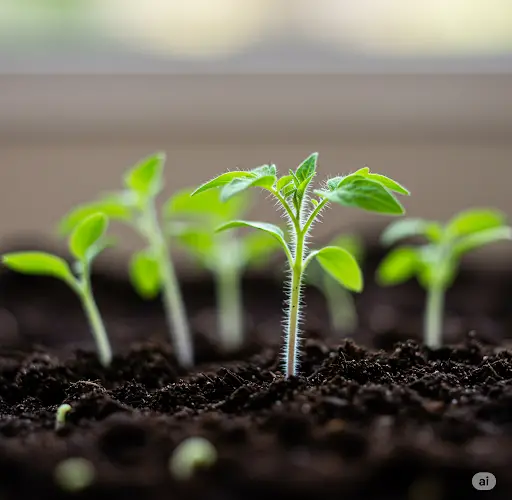
Tomatoes are one of the most popular crops for home gardeners. But during the seedling stage, many growers run into the same frustrating problem: leggy, stretched-out plants with thin, fragile stems. This condition — known as etiolation — weakens tomato seedlings and can result in poor growth, reduced yields, or even death if not corrected in time.
The good news is that stretching in tomato seedlings is preventable and reversible, especially if addressed early. If your seedlings are already reaching for the sky with spindly stems and few leaves, don’t worry. You can still take action to stop the stretch and get your tomatoes back on track.
Here’s what causes this issue and how to correct it quickly and effectively.
Why Tomato Seedlings Stretch
Stretching in tomato seedlings typically happens due to one or more of the following reasons:
-
Insufficient light
-
Overcrowding
-
High temperatures
-
Excessive nitrogen
-
Watering mistakes
Each of these factors causes the plant to grow tall and thin in a desperate attempt to reach for light or escape an unsuitable environment. To stop this, the key is to adjust growing conditions immediately.
Step-by-Step Guide to Stop Leggy Tomato Seedlings
1. Improve Light Conditions
The number one cause of stretching is lack of sufficient light. Tomato seedlings are sun-loving plants that need 12–16 hours of bright, direct light daily.
-
Move seedlings closer to a light source. If using grow lights, keep them just 5–8 cm (2–3 inches) above the tops of the seedlings.
-
Use full-spectrum LED or fluorescent grow lights for best results.
-
If growing on a windowsill, choose a south-facing window and supplement with artificial light on cloudy days.
Better light means stronger, thicker stems and slower, more compact growth.
2. Lower the Temperature
High indoor temperatures cause seedlings to grow faster than they can support themselves. Tomatoes prefer warmth, but not excess heat during early growth.
-
Ideal temperatures for seedlings:
-
Day: 18–22°C (64–72°F)
-
Night: 14–18°C (57–64°F)
-
Lowering the temperature slightly, especially at night, helps reduce stretching and encourages stockier growth.
3. Reduce Nitrogen Fertilizer
While tomatoes do need nutrients, giving too much nitrogen too early can result in rapid upward growth without strong stems or leaves.
-
Avoid feeding seedlings with high-nitrogen fertilizer.
-
If you must fertilize, use a balanced or low-nitrogen formula, diluted to one-quarter strength.
-
Feed only once true leaves appear — not at the cotyledon stage.
4. Provide Gentle Air Movement
Tomato seedlings grow stronger when they experience light movement, similar to wind in nature.
-
Place a small fan nearby to gently move the seedlings for a few hours daily.
-
Alternatively, gently run your hand over the tops of the plants several times a day.
This physical stimulus signals the plant to develop thicker, sturdier stems — a process known as thigmomorphogenesis.
5. Thin Overcrowded Seedlings
Too many seedlings in one container leads to competition for light and nutrients, which encourages stretching.
-
If multiple seedlings are growing together, thin them out by snipping the weakest ones at the base with scissors.
-
Leave only the strongest seedling per pot or cell.
Adequate spacing ensures even light distribution and prevents elongation.
6. Adjust Watering Habits
Overwatering or underwatering can stress seedlings, which contributes to leggy growth.
-
Keep the soil lightly moist, not soggy.
-
Let the top layer of soil dry slightly before watering again.
-
Always use containers with good drainage.
A well-hydrated but not waterlogged seedling will grow more slowly and sturdily.
What to Do with Already Leggy Tomato Seedlings
If your tomatoes have already stretched, don’t panic. Tomato plants are incredibly forgiving. You can still correct the problem with a few extra steps:
1. Transplant Deeply
When repotting or moving to the garden, bury the seedling stem up to the first true leaves. Tomato stems develop roots along buried portions, making the plant stronger and more stable.
2. Stake If Necessary
Support taller seedlings with a small stake (like a wooden skewer or thin stick) to keep them upright until they thicken.
3. Continue to Adjust Conditions
Keep applying the strategies above — especially light and temperature control — to encourage the plant to recover and grow thicker stems.
Prevention Is the Best Strategy
The best way to deal with stretching is to prevent it from happening in the first place:
-
Use strong, direct light from day one.
-
Maintain optimal temperatures.
-
Space seedlings properly.
-
Avoid overfeeding or overwatering.
By creating ideal conditions from the moment of germination, your tomato seedlings will grow compact, healthy, and ready for transplant — giving you the best chance for a high-yielding, disease-resistant harvest later on.


