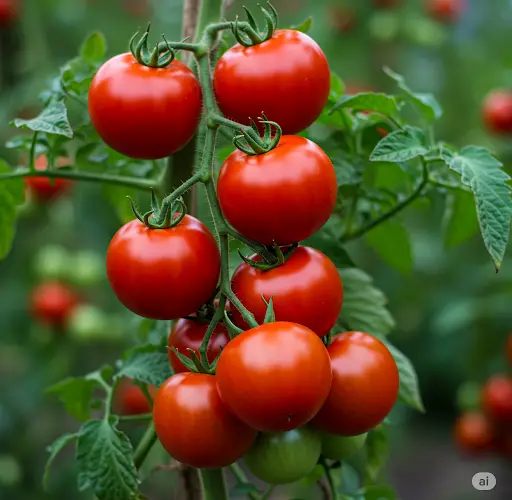
Watching a garden full of green tomatoes stubbornly refuse to ripen can be frustrating, especially as the growing season nears its end. While fertilizers can help boost plant health, there are effective, natural ways to accelerate the ripening process of tomatoes without relying on additional feeding.
Tomatoes have their own internal timing, but with a few adjustments to your care routine and environment, you can encourage them to transition from green to red, yellow, or orange much faster. These methods are safe, proven, and based on how tomato plants naturally respond to environmental cues.
If you want to speed up ripening and enjoy your tomatoes at their peak flavor before the first frost hits, follow these steps.
1. Prune for Ripening, Not Growth
By late summer, the goal shifts from producing new growth to ripening existing fruit. Begin by removing excess foliage, especially the lower leaves that are shading the fruit. Also, cut off any shoots or suckers that have emerged recently. This redirects the plant’s energy away from growing leaves and new flowers, and toward maturing the fruit that’s already set.
Focus your pruning on:
-
Leaves that are blocking sunlight from reaching the fruit
-
Small, undeveloped flower clusters
-
Unnecessary side shoots (especially above fruiting branches)
Tip: Don’t remove too many leaves at once. Leave enough foliage to prevent sunscald and to support ongoing photosynthesis.
2. Pinch Off New Flowers and Tiny Fruits
At a certain point in the season—usually 4–6 weeks before the expected first frost—it’s wise to pinch off all new blossoms and very small, immature fruits. These won’t have time to mature, and they divert resources from ripening the existing tomatoes.
By removing these latecomers, you allow the plant to focus entirely on bringing already-developed fruit to full ripeness.
3. Gently Stress the Plant
When a tomato plant senses the end of its lifecycle is near, it puts more effort into ripening its existing fruit. You can encourage this instinct by applying gentle stress:
-
Reduce watering: Cut back slightly on irrigation (without letting the plant wilt). This signals the plant to shift resources from growth to seed development, speeding ripening.
-
Stop fertilizing: If you’ve been feeding regularly, now is the time to stop. Additional nitrogen will encourage foliage growth and delay ripening.
-
Slightly disturb the roots: Inserting a small shovel 20–30 cm from the base and lightly loosening the soil can give the plant a signal that it’s time to wrap up its lifecycle.
These subtle stress techniques should be used cautiously to avoid damaging the plant, but they are effective in stimulating ripening.
4. Increase Sun and Warmth
Tomatoes ripen faster in warm, sunny conditions. To help nature along:
-
Trim surrounding plants that may be casting shade on the tomato bed
-
Reflect light using aluminum foil or light-colored mulch around the base of the plants
-
If the weather is cooling down, cover plants with a clear plastic sheet during the day to create a mini greenhouse effect
Consistent warmth (above 20°C/68°F) encourages the production of ethylene, the natural hormone that triggers ripening.
5. Use Ethylene to Your Advantage
Ethylene is the ripening hormone in fruits. You can boost its effect by harvesting mature green tomatoes and ripening them indoors. Place them in a paper bag with a ripe banana or apple—both emit ethylene and will help your tomatoes ripen quickly.
Be sure to:
-
Choose tomatoes that are glossy, slightly soft, and have reached their full size
-
Store the bag at room temperature, away from direct sunlight
-
Check daily and remove any fruit that starts to over-soften or show signs of rot
This is especially helpful when temperatures start to drop or when pests and diseases threaten outdoor ripening.
6. Support the Fruit Physically
As fruit ripens, especially larger tomatoes, it can be helpful to lift them slightly off the ground or heavy branches to reduce stress on the stem. Use soft ties or slings to support heavy clusters. This can prevent premature dropping or bruising, both of which can delay ripening or lead to spoilage.
Final Thoughts
Speeding up the ripening of tomatoes doesn’t require synthetic fertilizers. With the right balance of pruning, environmental control, and natural ripening triggers, you can guide your tomatoes to maturity faster and with better flavor.
These proven methods are especially useful late in the season, when you want to finish strong and bring in the last of the harvest before the cold sets in. Give your plants the right signals, and you’ll be rewarded with bowls of ripe, juicy tomatoes in no time.


