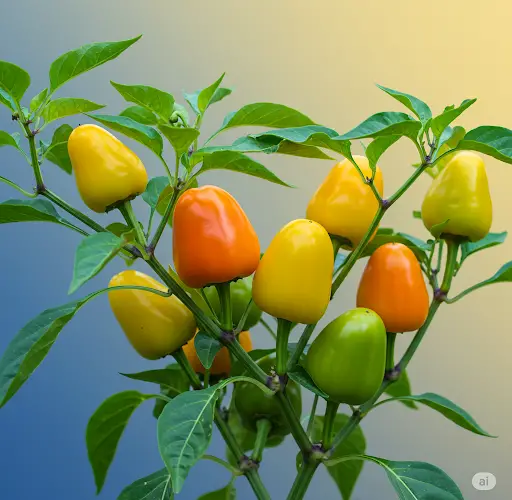
If you’ve ever grown sweet or hot peppers and ended up with small, sparse fruits, you’re not alone. Peppers are somewhat finicky plants — they love warmth, consistent watering, and rich, well-prepared soil. While many gardeners focus on feeding their peppers later in the season, the real secret to a big harvest starts right at planting time.
By adding just a few simple ingredients to the planting hole, you can provide your pepper seedlings with the ideal foundation for robust growth, strong root development, and abundant fruiting. This method is easy, inexpensive, and has been used by seasoned gardeners for years to grow big, sweet, and juicy peppers.
Here’s how to set your pepper plants up for success from day one.
Why the Planting Hole Matters
The planting hole is where your seedling’s roots will first anchor themselves. If the surrounding environment is rich in nutrients and well-draining, your peppers will get a strong head start. On the other hand, planting into cold, compacted, or nutrient-poor soil can stunt growth for weeks — or even the whole season.
That’s why what you add to the hole matters just as much as sunlight and water.
What to Add to the Hole Before Planting Peppers
The goal is to create a nutrient-rich mini-environment that supports root development, encourages early growth, and boosts fruit production. Here’s what to mix into the planting hole for best results:
1. A Handful of Compost or Humus
Compost provides balanced nutrients and beneficial microbes that enrich the soil and support the seedling as it adjusts to its new environment. It also improves soil texture, helping retain moisture without becoming soggy.
2. A Teaspoon of Wood Ash
Wood ash is a natural source of potassium and phosphorus — two essential nutrients for flowering and fruiting. Potassium improves fruit quality and size, while phosphorus supports strong root development. Use sparingly; a teaspoon per hole is enough.
3. A Pinch of Crushed Eggshells
Eggshells decompose slowly, releasing calcium into the soil. Calcium helps prevent blossom end rot — a common problem in peppers and tomatoes caused by calcium deficiency. Crush them finely for faster breakdown.
4. A Small Scoop of Vermicompost (Worm Castings) – Optional
If available, worm castings add an extra dose of bio-available nutrients and beneficial microbes. They improve soil fertility without the risk of burning plant roots.
5. A Bit of Bone Meal or Fish Meal (Optional)
These organic sources of phosphorus and trace minerals encourage early root formation and strong early growth. Add just a tablespoon per hole.
How to Prepare the Planting Hole
-
Dig a hole about twice the size of the seedling’s root ball.
-
Mix your ingredients — compost, wood ash, crushed eggshells, and any other additions — in a small bowl or bucket.
-
Sprinkle the mixture into the bottom of the hole and lightly mix it into the soil.
-
Water the hole slightly to activate the nutrients and help the soil settle.
-
Gently place the seedling in the hole, ensuring the root ball sits just slightly below soil level.
-
Fill in with garden soil, press gently around the base, and water again.
Extra Tips for Big, Healthy Peppers
-
Spacing matters: Plant pepper seedlings 30–45 cm (12–18 inches) apart to allow for good airflow and light penetration.
-
Mulch after planting: A layer of straw, grass clippings, or composted leaves helps retain moisture and suppress weeds.
-
Keep them warm: Peppers love heat. Wait until nighttime temperatures are consistently above 13°C (55°F) before transplanting.
-
Water consistently: Irregular watering can cause blossom drop and poor fruit development. Keep the soil evenly moist but not soggy.
-
Feed later with a balanced fertilizer: About 3–4 weeks after planting, you can begin feeding your peppers with a diluted liquid fertilizer to support ongoing growth.
Signs the Method Is Working
When planted into a well-prepared hole, pepper seedlings will quickly establish and show healthy green leaves, sturdy stems, and new growth within days. Over time, you’ll notice more flower buds forming — and those will turn into larger, better-developed peppers than from untreated plantings.
You may even get an earlier harvest and more fruits per plant.
Final Thoughts
If you want to grow big, flavorful peppers, the secret isn’t just in watering and sunshine — it starts underground. By enriching the planting hole with natural amendments like compost, wood ash, and eggshells, you’re creating an ideal growing environment from the very beginning.
This simple step takes just minutes but delivers season-long rewards. Your pepper plants will thank you with lush foliage, abundant blooms, and a heavy harvest of large, juicy fruits — perfect for grilling, stuffing, sauces, and fresh eating.