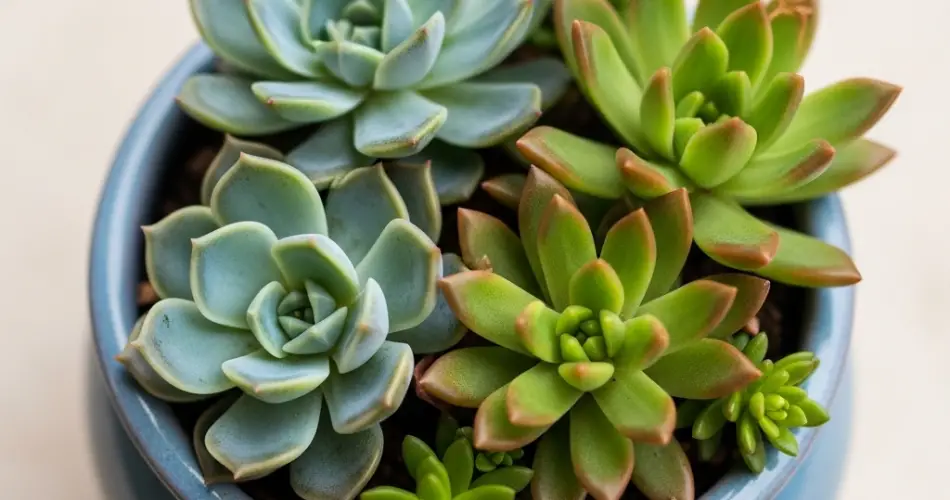
Succulents are popular for a reason: they’re beautiful, hardy, and incredibly easy to care for. But what if you could make their care even easier—and more sustainable—by using simple kitchen scraps? That’s right. The secret to lush, thriving succulents might already be hiding in your compost bin.
Using kitchen waste not only reduces household waste but also enhances your plant care routine with natural, nutrient-rich solutions. Whether you’re a seasoned plant enthusiast or a curious beginner, this guide will walk you through how to raise healthy succulents using everyday kitchen leftovers.
Why Use Kitchen Scraps for Succulents?
Succulents may not be heavy feeders like vegetables, but they do benefit from occasional boosts of nutrients—especially when grown in containers where soil nutrition is limited. Kitchen scraps offer a chemical-free, budget-friendly way to enrich the soil, support growth, and improve plant health.
Unlike synthetic fertilizers, natural alternatives from your kitchen break down slowly, improving soil structure and feeding beneficial microbes. Plus, they’re free and eco-friendly.
Best Kitchen Scraps for Succulent Care
Not all kitchen waste is suitable for succulents. These low-maintenance plants need nutrients in moderation, so it’s important to use gentle, non-acidic scraps. Here are the top options:
1. Banana Peel
Banana peels are rich in potassium and phosphorus—two essential nutrients for root development and flowering. To use:
-
Chop the peel into small pieces and dry them completely.
-
Once dry, grind into a powder and sprinkle lightly around the base of your succulents.
You can also steep banana peels in water for a few days to create a mild liquid fertilizer.
2. Used Coffee Grounds (in moderation)
While coffee grounds are slightly acidic, once used and dried they become more neutral and can be helpful in small quantities.
-
Let them dry thoroughly.
-
Mix a teaspoon into your potting mix or compost.
Avoid overuse, as too much acidity or moisture retention can harm succulents.
3. Eggshells
Eggshells are a slow-release source of calcium, which helps strengthen plant cell walls and prevent root rot.
-
Rinse thoroughly and dry.
-
Crush into a fine powder.
-
Mix into the soil or sprinkle around the plant.
Calcium also helps balance pH levels, which supports better nutrient uptake.
4. Vegetable Cooking Water
If you steam or boil vegetables without salt, save the leftover water. Once cooled, this liquid can be used to water your succulents occasionally.
-
Ensure the water is unsalted and cooled to room temperature.
-
Use as a once-a-month watering supplement.
This method supplies micronutrients and hydrates the soil gently.
DIY Succulent Compost from Scraps
For those growing succulents outdoors or in larger containers, a homemade compost blend made from kitchen scraps can enrich the soil. Keep your mix low in nitrogen and high in dry materials to prevent excess moisture.
-
Combine dry leaves, paper scraps, banana peel, crushed eggshell, and used coffee grounds.
-
Allow to compost for several weeks or months until fully broken down.
-
Mix a small amount into your succulent potting mix.
Remember, succulents need excellent drainage. Always combine organic matter with materials like perlite, pumice, or coarse sand to avoid soggy soil.
How to Apply Kitchen Scrap Fertilizers
Timing and moderation are key. Here’s how to apply natural fertilizers effectively:
-
Every 4–6 weeks during the growing season (spring and summer) is ideal.
-
Apply dry powders (like eggshell or banana peel) directly to the soil surface.
-
Use liquid infusions sparingly—once a month is sufficient.
-
Avoid feeding during dormancy (usually fall and winter), as succulents don’t need extra nutrients during this time.
Over-fertilizing, even with organic ingredients, can lead to stretched growth and weaker plants. Less is more when it comes to succulents.
Bonus: Reusing Kitchen Containers for Succulent Pots
Besides using scraps as fertilizer, consider repurposing your kitchen waste into pots:
-
Yogurt cups, tin cans, and tea tins make creative succulent planters.
-
Just be sure to add drainage holes at the bottom.
-
Decorate with natural twine, paint, or fabric for a personal touch.
This reduces waste and adds a rustic charm to your indoor garden.
Tips for Healthy Growth
-
Sunlight: Ensure your succulents receive 4–6 hours of indirect sunlight daily.
-
Watering: Allow the soil to dry out completely between waterings.
-
Airflow: Good ventilation prevents fungal growth and pests.
-
Container: Always use well-draining pots to avoid root rot.
When paired with natural nutrition from your kitchen, these basic care principles help your succulents thrive with very little effort.
Final Thoughts
Raising succulents with the help of kitchen scraps is a smart, sustainable way to care for your plants. You reduce waste, enrich the soil naturally, and create a thriving environment for your succulents to grow—without spending extra money on commercial fertilizers.
Whether you’re nurturing a few plants on your windowsill or managing a full indoor garden, these simple methods turn everyday waste into natural gold for your green companions. With a little consistency and creativity, you’ll have stunning succulents flourishing in no time.


