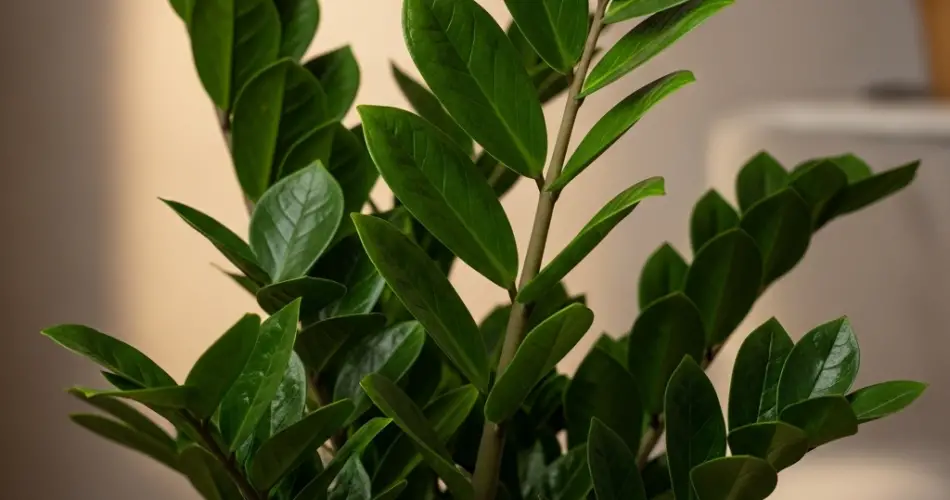
The ZZ plant (Zamioculcas zamiifolia) is widely admired for its glossy, deep green leaves and tough-as-nails attitude. While often seen as a favorite indoor plant, the ZZ plant can also be grown outdoors in the right conditions—and with surprisingly low effort. Its slow growth and resilience make it perfect for gardeners who want an attractive, hardy addition to their backyard with very little maintenance.
While ZZ plants don’t produce fruit or flowers regularly like typical garden plants, “yield” in the context of ZZ plants refers to full, healthy growth: thick stems, rich foliage, and rhizome propagation. Here’s how to maximize that kind of lush growth in your backyard without the fuss.
1. Know Your Climate First
Before planting a ZZ plant outdoors, understand that it thrives in USDA zones 9–11. In these warmer climates, ZZ plants can grow outdoors year-round. If you live in a cooler region, you can still grow ZZ plants outdoors in containers during warmer months and bring them indoors during winter.
Frost will damage or kill a ZZ plant, so if you’re not in a frost-free area, treat it as a seasonal outdoor plant or stick to container gardening.
2. Pick the Perfect Spot
ZZ plants love bright, indirect sunlight, but they are extremely tolerant of low-light conditions. For outdoor placement, choose a spot with dappled sunlight or partial shade—under a tree canopy, near a porch, or beside a wall that receives filtered light.
Avoid harsh direct sun, especially in hot climates, as it can scorch the leaves and cause fading or yellowing. A spot that mimics indoor lighting—shaded but bright—is ideal.
3. Prepare the Right Soil
The ZZ plant is native to dry, rocky soils and is especially prone to rot in soggy conditions. The key to success is fast-draining soil. Mix garden soil with coarse sand, perlite, or pumice to increase drainage. A cactus or succulent mix also works well.
Avoid clay-heavy or compacted soils that retain water. If your natural soil is dense, consider planting ZZ in raised beds or containers to control drainage more easily.
4. Water Sparingly—but Strategically
Overwatering is the fastest way to damage a ZZ plant. Outdoors, the plant can often survive on natural rainfall alone, especially in humid regions. The general rule is to water only when the top 2 inches of soil are completely dry.
During hot, dry spells, water deeply but infrequently—perhaps once every two to three weeks, depending on your local conditions. Always ensure excess water can drain away quickly.
5. Fertilize Lightly for Healthy Growth
ZZ plants are light feeders. To promote steady, lush foliage growth, apply a diluted, balanced liquid fertilizer (such as 10-10-10) once a month during the growing season (spring through early autumn).
Avoid over-fertilizing, as too much nutrient buildup can damage the roots and cause leaf burn. Organic options like worm tea or compost extract work well and are gentler on the plant.
6. Encourage Propagation through Division
Though ZZ plants grow slowly, they propagate easily through rhizome division. Over time, the underground rhizomes multiply, allowing you to separate and replant them to expand your ZZ collection.
To divide:
-
Gently remove the plant from its pot or bed.
-
Locate and separate sections with multiple stems and their own root systems.
-
Replant divisions in well-draining soil with similar light and watering conditions.
Doing this every few years not only increases your yield but also keeps the original plant healthy and less crowded.
7. Prune Smartly for Shape and Strength
ZZ plants don’t require regular pruning, but occasional trimming helps shape the plant and promote new growth.
-
Cut off yellowing, dead, or leggy stems at the base using clean shears.
-
Prune in early spring before the main growing season begins to encourage fuller growth.
Discard pruned material responsibly, and always wear gloves—ZZ plant sap can cause mild skin irritation.
8. Protect from Pests and Environmental Stress
While ZZ plants are pest-resistant, they can occasionally attract mealybugs or scale insects, especially if overwatered or stressed. Wipe leaves with a damp cloth or spray with a gentle insecticidal soap if pests appear.
Extreme heat or sudden temperature drops can also shock the plant. Keep it away from areas with strong winds or reflected heat from pavement or walls.
9. Grow in Containers for Flexibility
If your region experiences cooler winters, grow your ZZ plant in containers with good drainage holes. During warm months, keep the pot outdoors in a shaded spot. Once temperatures drop below 50°F (10°C), bring the plant indoors.
This allows you to enjoy outdoor ZZ growth without risking cold damage and gives you full control over its environment year-round.
Final Thoughts
The ZZ plant may be one of the easiest and most forgiving additions to any backyard. With minimal watering, light feeding, and basic maintenance, you can enjoy thick, shiny foliage and healthy rhizome growth with virtually no hassle. It’s the perfect plant for those who want maximum visual impact and propagation potential—without the usual gardening stress.
Whether planted in the ground or kept in stylish containers, the ZZ plant proves that low-maintenance doesn’t have to mean low-yield.


