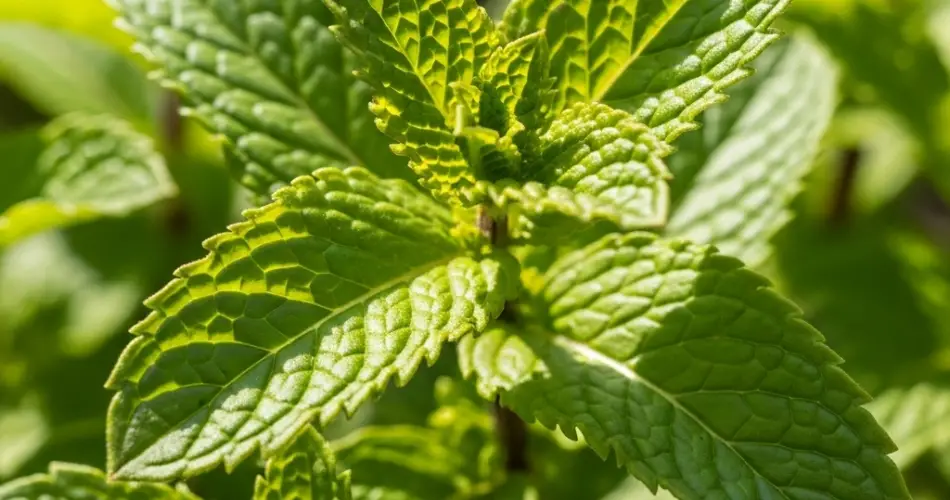
If you’re looking to add a fragrant, fast-growing, and versatile herb to your garden, mint is an excellent choice. With its lush green leaves and refreshing aroma, mint is not only a delight to the senses but also incredibly easy to grow—even from seed. Whether you’re working with a backyard garden, balcony planters, or indoor containers, you can transform your space with a thriving mint patch in surprisingly little time.
Here’s a complete guide to growing mint from seed to a full, vibrant plant—all without needing advanced gardening experience.
Why Mint is a Must-Have Herb
Mint (Mentha spp.) is a hardy perennial known for its rapid growth, pleasant fragrance, and culinary uses. From teas and desserts to savory dishes and homemade remedies, mint adds flavor and freshness in countless ways. It also serves as a natural pest repellent and can be used to create homemade sprays or potpourri.
There are many varieties of mint, including spearmint, peppermint, apple mint, and chocolate mint. Each has its own unique aroma and flavor, but all share similar growing requirements.
Step 1: Choosing the Right Seeds
Start by selecting high-quality mint seeds from a trusted source. Spearmint and peppermint are the most common and easiest to grow from seed. Check the packaging date to ensure freshness—older seeds may have lower germination rates.
Although mint can be propagated by cuttings or root division, growing from seed gives you the satisfaction of watching your plant develop from the very beginning.
Step 2: Preparing the Soil
Mint prefers loose, rich, and slightly moist soil with good drainage. Aim for a soil pH between 6.0 and 7.0.
-
For containers: Use a potting mix designed for herbs or vegetables.
-
For garden beds: Work in compost or aged manure to improve texture and fertility.
Mint spreads aggressively in open soil, so consider using containers or burying root barriers if you’re planting in-ground.
Step 3: Sowing the Seeds
Mint seeds are tiny and should be sown with care:
-
Fill your container or garden bed with pre-moistened soil.
-
Sprinkle seeds on the surface and gently press them into the soil. Do not cover them deeply—mint seeds need light to germinate.
-
Mist the surface with water to settle the seeds.
-
Cover with a clear plastic dome or wrap to maintain humidity until germination occurs.
Place the container or seed tray in a warm, bright area out of direct sunlight. Germination typically takes 10–15 days.
Step 4: Early Seedling Care
Once the seedlings emerge:
-
Remove the plastic cover to improve airflow.
-
Thin out seedlings when they are about 2 inches tall, leaving the strongest ones spaced at least 6 inches apart.
-
Ensure they receive 4–6 hours of indirect sunlight daily.
Water consistently but avoid soggy soil. Mint prefers evenly moist soil but is prone to root rot if overwatered.
Step 5: Transplanting and Spacing
When the seedlings are 3–4 inches tall and have developed several leaves, they can be transplanted to their final growing location.
-
If growing in containers, choose pots at least 8 inches deep with drainage holes.
-
If growing in garden beds, space plants 12–18 inches apart to allow for spreading.
Mint thrives in partial shade to full sun. In hot climates, partial shade is ideal to prevent leaf scorching.
Step 6: Boosting Growth for Fast Results
To encourage rapid, healthy growth:
-
Feed with a balanced liquid fertilizer every 3–4 weeks during the growing season.
-
Pinch off the top leaves regularly to promote bushier growth.
-
Harvest frequently—this stimulates new growth and prevents flowering, which can reduce leaf flavor.
Mint grows quickly and can be harvested as soon as the plant is about 6 inches tall.
Step 7: Controlling Mint’s Spread
Mint is vigorous and can take over a garden bed if left unchecked. Use these methods to contain it:
-
Grow it in containers to prevent root spreading.
-
Trim back runners that escape boundaries.
-
Install root barriers if planting in open ground.
Pruning back the plant regularly also helps maintain shape and encourages denser foliage.
Step 8: Harvesting and Using Mint
Harvest mint in the morning when its oils are most concentrated. Cut stems just above a leaf node to encourage regrowth. You can use fresh mint immediately, dry it for storage, or freeze it for future use.
Mint is perfect for:
-
Herbal teas and cocktails
-
Salads and desserts
-
Infused water and oils
-
Natural insect repellents and skin care recipes
Final Thoughts
With just a little effort, you can transform your garden—or even your kitchen windowsill—into a lush oasis of mint. Starting from seed may seem like a slow process, but with the right conditions, mint will surprise you with its speed and vigor. Within a matter of weeks, you’ll have a robust, fragrant plant ready to enhance your cooking, your health, and your garden’s beauty.
This fast-growing herb is ideal for beginners and experienced gardeners alike, and it offers plenty of rewards for minimal investment. Start sowing today, and let your mint garden flourish in record time.


