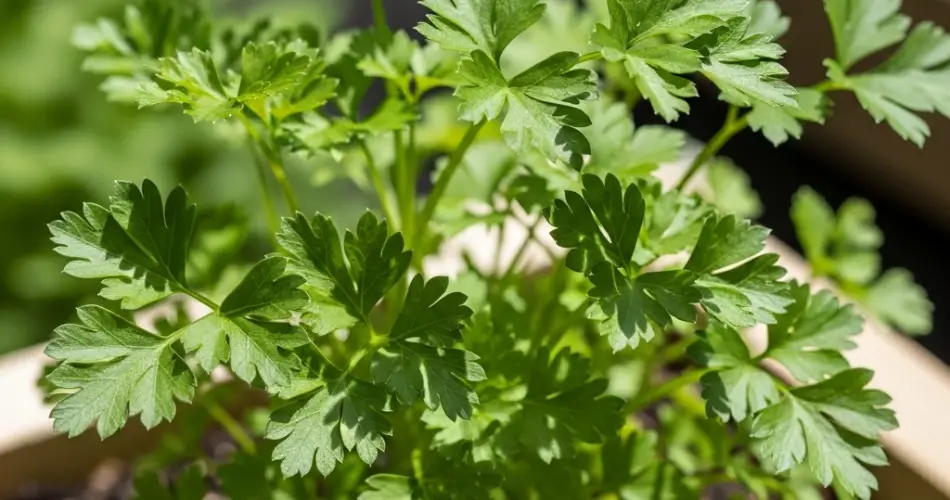
Parsley is one of the easiest and most rewarding herbs to grow at home. Whether you use it as a garnish, a cooking essential, or a natural health booster, fresh parsley elevates any dish. Even better, it grows exceptionally well in a backyard garden with minimal effort. You don’t need fancy tools, advanced skills, or loads of time to enjoy a thriving parsley patch—just a little attention and the right start.
Here’s your no-fuss guide to growing lush, vibrant parsley right in your backyard.
1. Understand the Basics of Parsley
Parsley (Petroselinum crispum) is a biennial herb, meaning it completes its life cycle over two years. In its first year, it produces the flavorful leaves we use in cooking. In the second, it sends up a tall stalk to flower and go to seed.
There are two main types:
-
Curly-leaf parsley – often used for garnish and presentation.
-
Flat-leaf (Italian) parsley – preferred by chefs for its stronger flavor and ease of chopping.
Both varieties grow equally well in home gardens, so choose based on your taste preference or grow both for variety.
2. Choose the Right Location
Parsley thrives in full sun but can tolerate partial shade, especially in hot climates. Select a spot in your backyard that gets at least 4–6 hours of sunlight a day.
Parsley prefers well-drained, fertile soil that retains some moisture without becoming soggy. Loosen the soil with a spade and mix in compost or well-rotted manure to boost fertility and improve drainage.
3. Start from Seed or Transplant
Parsley grows well from seed, though it requires a bit of patience. Germination can take 2 to 4 weeks, so don’t be discouraged if you don’t see immediate results.
To start from seed:
-
Soak seeds in warm water for 12–24 hours before planting to soften the seed coat and speed up germination.
-
Sow directly in the ground in early spring once the soil is workable, or start indoors 6–8 weeks before the last frost.
-
Plant seeds ¼ inch deep and cover lightly with soil.
Keep the soil moist during the germination period. If you’re short on time, you can also transplant parsley seedlings from a nursery or garden center directly into your garden.
4. Keep Watering Simple
Parsley isn’t picky but does need consistent moisture, especially during hot or dry spells. Water deeply once or twice a week, more often during heatwaves.
Avoid letting the soil dry out completely, but don’t allow it to become waterlogged either. A layer of mulch around the plants helps maintain soil moisture and reduce weeds.
5. Feed Lightly, Grow Strongly
While parsley doesn’t require heavy feeding, it appreciates a light dose of balanced fertilizer or compost tea every 4–6 weeks. Overfeeding leads to excessive leaf growth at the expense of flavor and tenderness.
If you prepared the soil well with compost, your plants may not need any additional feeding during the growing season.
6. Harvest Often for Best Results
Frequent harvesting not only gives you a steady supply of parsley but also encourages bushier, more productive plants.
-
Begin harvesting once the plant has at least three mature leaves.
-
Cut stems at the base rather than snipping individual leaves. This helps the plant redirect energy to new growth.
Avoid cutting more than one-third of the plant at a time to allow for continuous regrowth.
7. Extend the Season with Successive Sowing
To enjoy parsley nearly year-round, sow seeds every few weeks throughout the growing season. This succession planting strategy ensures a fresh crop as older plants slow down or go to seed.
In mild climates, parsley can even grow through winter. In colder regions, cover plants with a cloche or grow them in pots that can be moved indoors.
8. Control Pests and Problems Easily
Parsley is generally low-maintenance and not prone to many pests or diseases. However, keep an eye out for:
-
Aphids or spider mites – remove with a strong spray of water or insecticidal soap.
-
Leaf spots or mildew – improve air circulation by spacing plants properly and watering at the base rather than overhead.
Good garden hygiene—like removing old plant debris and weeds—goes a long way in preventing issues.
9. Let Some Plants Go to Seed
In the second year, parsley will bolt and send up flower stalks. These attract beneficial pollinators like bees and butterflies. If you let a few plants flower and set seed, you can collect seeds for future planting or allow them to self-sow for a naturally recurring crop.
Final Thoughts
Growing parsley in your backyard doesn’t have to be complicated. With a little sunlight, regular watering, and minimal maintenance, you can enjoy this flavorful herb fresh from your garden almost year-round. Whether you’re an experienced gardener or just starting out, parsley is a satisfying, low-stress addition to any backyard.
Plant it once, harvest often, and let the freshness elevate every meal you prepare.


