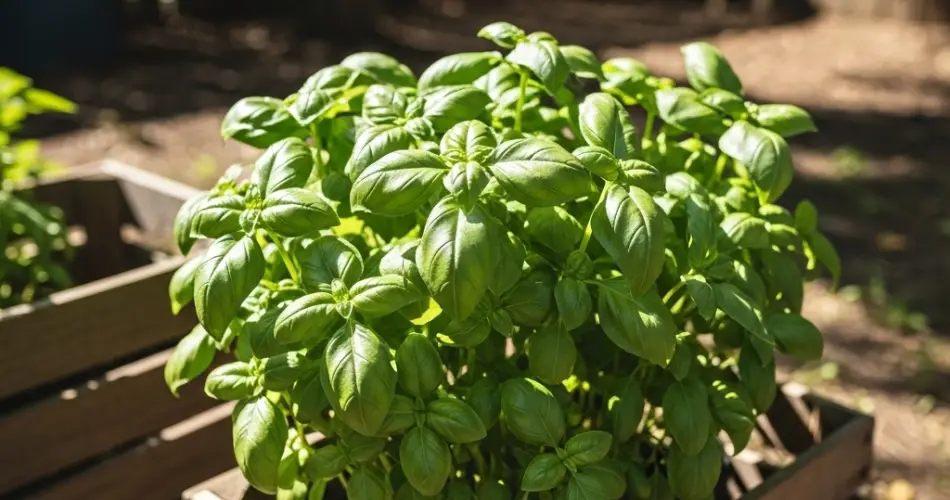
Basil is one of the most popular culinary herbs, loved for its fragrant leaves and rich flavor. Whether you enjoy it fresh in salads, blended into pesto, or added to sauces, having a constant supply of basil at home is a true kitchen advantage. Fortunately, basil is also one of the easiest herbs to propagate, and you don’t need a garden to do it. In fact, with just a few plastic bottles and some basic tools, you can propagate basil successfully indoors or on your balcony.
This guide walks you through how to propagate basil using plastic bottles—an eco-friendly and space-saving method that recycles household waste into useful planters. It’s ideal for beginners and perfect for small-space gardening.
Why Propagate Basil?
Propagating basil is a cost-effective and rewarding way to multiply your herb supply. Instead of buying new plants or seeds, you can grow several basil plants from a single mother plant. Propagation ensures:
-
Faster growth compared to growing from seed.
-
Identical flavor and characteristics to the original plant.
-
Steady supply of basil throughout the growing season.
And with the added benefit of recycling plastic bottles, you reduce waste while building your own miniature herb garden.
Materials You’ll Need
To get started, gather the following:
-
Clean, empty plastic bottles (1-liter or 2-liter size)
-
A healthy basil plant or stem cuttings
-
Scissors or a sharp knife
-
Water
-
Potting soil (optional for transferring)
-
A small spoon or stick (for planting, if needed)
Optional:
-
Marker or label to keep track of dates or plant types
Step 1: Prepare the Basil Cuttings
Start with a healthy basil plant, preferably one that has been growing for several weeks and has strong, leafy stems.
-
Choose a stem that is 4–6 inches long and has at least 4–6 sets of leaves.
-
Using clean scissors or a knife, cut the stem just below a leaf node (where leaves grow out of the stem). This is where roots will emerge.
-
Remove the lower sets of leaves, leaving only the top 2 or 3 pairs.
You should now have a bare-stem cutting with a leafy top and a clean node near the base.
Step 2: Create Your Bottle Planters
Take your plastic bottles and transform them into mini planters or rooting vessels.
For water propagation:
-
Cut the bottle in half.
-
Invert the top half and place it into the bottom half like a funnel.
-
Fill the bottom section with water, allowing the stem in the inverted top to touch the water through the mouth of the bottle.
For soil propagation:
-
Cut the bottle near the middle to make an open container.
-
Poke a few drainage holes at the bottom.
-
Fill with potting mix and moisten lightly.
Label each container if you’re propagating more than one cutting.
Step 3: Root the Basil Cuttings
Place your cuttings into your prepared bottles:
-
In water propagation, place the stem so that the node (but not the leaves) is submerged.
-
For soil propagation, use a stick or your finger to poke a hole and gently insert the stem into the moist soil, firming it gently around the base.
Place the bottles in a bright, indirect light area—like a windowsill. Avoid harsh direct sun at this stage.
Step 4: Wait for Root Development
In water, roots should begin to form in 7–10 days, and you’ll see them grow quickly once they emerge. In soil, you won’t see the roots, but you’ll notice new leaf growth, which signals successful rooting.
Change the water every 2–3 days to keep it fresh and prevent algae or rot. Keep soil lightly moist but not soggy if using the soil method.
Step 5: Transplanting or Growing On
Once the roots are about 2 inches long, you can transplant your basil cutting into a larger container or leave it growing in the bottle.
If transplanting:
-
Prepare a pot with well-draining soil.
-
Make a hole and gently plant the cutting, covering the roots.
-
Water well and place it in a sunny location (at least 6 hours of sunlight per day).
If keeping it in the bottle, just ensure the plant gets adequate light and nutrients. Add a bit of liquid fertilizer every two weeks to keep it healthy.
Care and Maintenance
Basil prefers warmth, sunlight, and consistent watering. Be sure to:
-
Keep it in full sun (on a windowsill or balcony).
-
Water when the top inch of soil feels dry.
-
Pinch off flower buds to prolong leaf production.
-
Harvest leaves regularly to encourage bushy growth.
Final Thought: Propagating basil in plastic bottles is a simple and sustainable way to enjoy this fragrant herb year-round. It requires little space, no fancy tools, and gives you the satisfaction of growing your own food from scratch—right at home. Whether you’re starting your first indoor herb garden or expanding an existing one, basil propagation is the perfect place to begin.


