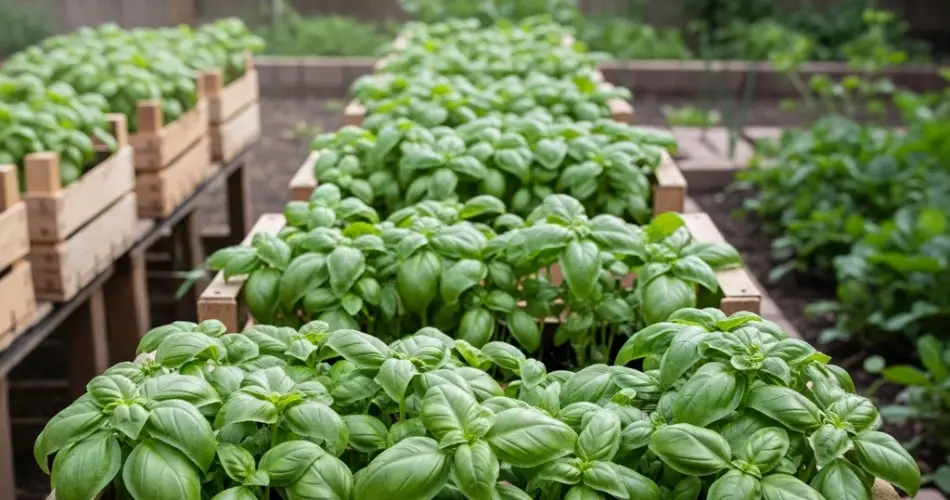
Basil is one of the most popular and aromatic herbs used in kitchens around the world. Whether you’re making pesto, seasoning sauces, or garnishing fresh salads, having basil on hand is always a plus. Fortunately, basil is not only delicious but also incredibly easy to propagate at home. With just a few cuttings and a clean bottle of water, you can grow new basil plants right on your windowsill.
This DIY propagation method is ideal for gardeners with limited space or for anyone who wants to multiply their basil plants without seeds. It’s simple, low-cost, and effective—perfect for beginners and herb lovers alike.
Why Propagate Basil from Cuttings?
Growing basil from cuttings is a quick and reliable way to produce healthy new plants. Unlike starting from seed, which requires time and careful conditions for germination, cuttings taken from a mature basil plant can root in just a few days when placed in water. This method saves time and ensures that the new plants are genetic clones of the parent, preserving flavor and growth characteristics.
Propagating basil in bottles is also a space-saving method. It doesn’t require soil or large containers at the start, making it perfect for apartment dwellers, balcony gardeners, or anyone who wants to enjoy fresh basil indoors.
What You’ll Need
To get started with this method, gather the following:
-
Fresh, healthy basil cuttings (10–15 cm in length)
-
A clean glass bottle or jar (transparent is best)
-
Fresh water (preferably room temperature and chlorine-free)
-
A sunny windowsill or well-lit indoor area
-
Optional: plastic wrap and a rubber band to create a humidity dome
You can use basil from your garden, a potted plant, or even from fresh bunches bought at the market—just ensure the stems are healthy and free from disease.
How to Take Basil Cuttings
Start by selecting a healthy basil stem. Look for a branch that’s not flowering and has at least four sets of leaves. Using clean, sharp scissors or pruning shears, cut a 10–15 cm section of the stem just below a leaf node (the point where the leaves meet the stem). This is where new roots will form.
Remove the leaves from the bottom half of the cutting, leaving the top two sets of leaves intact. This helps reduce water loss through evaporation and allows the cutting to focus on root development.
Rooting the Cuttings in Water
Fill your clean bottle or jar with room-temperature water, then place the basil cuttings in so that the bottom of each stem is submerged. Make sure no leaves are touching the water, as this can cause rotting. Transparent containers work well because they let you observe the root development over time.
Place the bottle in a bright area with indirect sunlight—such as a kitchen windowsill. Avoid placing it in direct, hot sun as this can cause the water to heat up and stress the plant.
Change the water every two to three days to keep it fresh and oxygenated. This helps prevent bacterial growth and encourages faster root development.
When to Transplant
After about 7 to 14 days, you should see white roots forming at the base of the stem. Once the roots are at least 5 cm long, the cutting is ready to be transplanted into soil.
To transplant, prepare a small pot with drainage holes and fill it with light, well-draining potting mix. Make a small hole in the soil, place the rooted cutting inside, and gently firm the soil around the base. Water thoroughly after planting.
Place the pot in a warm, sunny spot and continue to water regularly, keeping the soil moist but not soggy.
Caring for Your New Basil Plant
Once established in soil, basil will grow quickly if given plenty of light and warmth. Make sure your new plant gets at least 6 hours of sunlight daily. If growing indoors, consider supplementing with a grow light during cloudy days or in low-light rooms.
Water consistently, but avoid overwatering. Basil prefers slightly moist soil, and allowing it to dry out too much can cause wilting. Pinch off the top leaves regularly to encourage bushier growth and prevent early flowering.
Extra Tips for Success
-
If propagating multiple cuttings, use a wider jar or several small containers to prevent crowding.
-
Use rainwater or filtered water for better results, especially if your tap water contains chlorine or fluoride.
-
Add a drop of liquid seaweed extract or rooting hormone to the water to boost root growth.
-
You can root basil in plastic bottles or recycled jars—just be sure they’re clean and provide adequate light.
Conclusion
Propagating basil from cuttings in bottles is one of the easiest ways to expand your herb garden. It’s a fun and satisfying DIY method that requires minimal supplies and space. Within weeks, you can enjoy fresh basil from new plants that you rooted yourself—all from a simple cutting placed in water. Whether you’re a beginner gardener or an experienced grower looking for a quick propagation method, this approach offers a fresh, practical way to enjoy more of your favorite herb year-round.


