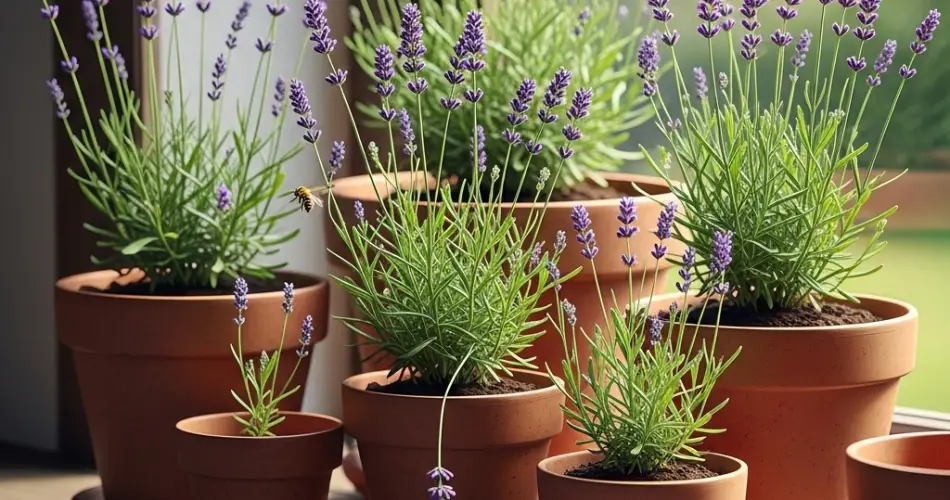
Lavender is a favorite among gardeners for its fragrant flowers, silvery foliage, and ability to thrive in sunny spaces. Whether placed on a balcony, patio, or windowsill, lavender adds beauty and aroma while also attracting pollinators. However, one of the most common problems faced when growing lavender in pots is root rot. This condition can quickly kill the plant if not prevented or managed properly.
Growing lavender in containers requires special attention to watering and soil conditions. Unlike some herbs that enjoy moist soil, lavender originates from Mediterranean regions where the climate is hot, dry, and the soil is rocky and well-drained. Mimicking these natural conditions is the key to avoiding root rot and keeping your lavender healthy.
What Causes Root Rot in Lavender?
Root rot occurs when the roots are exposed to excess water and cannot access enough oxygen. In potted plants, this often happens because of:
-
Poor drainage in the container.
-
Soil that retains too much water (heavy or clay-rich mixes).
-
Overwatering, especially during cooler months.
-
Lack of sunlight, which slows evaporation and weakens the plant.
Once the roots begin to rot, the plant struggles to absorb nutrients and water, leading to symptoms such as yellowing leaves, drooping stems, and eventual death.
Choosing the Right Container
The container you select is the first line of defense against root rot. Lavender thrives in pots that encourage quick drainage.
-
Size: A pot that is 12–16 inches in diameter is ideal for mature lavender plants. Avoid oversized pots, as excess soil can trap moisture.
-
Material: Terracotta or unglazed clay pots are excellent choices since they allow moisture to evaporate through the sides, helping keep the soil dry.
-
Drainage Holes: Always ensure the pot has large, unobstructed drainage holes. Without them, water will pool at the bottom and suffocate the roots.
For additional protection, place a layer of small stones or gravel at the base of the pot to improve drainage.
The Best Soil Mix for Lavender
Soil quality is critical for lavender’s success in containers. A light, well-draining mix prevents water from lingering around the roots.
-
Ideal Mix: Use a blend of two parts potting soil, one part coarse sand, and one part perlite or pumice. This combination ensures proper aeration and rapid drainage.
-
Avoid: Standard garden soil or moisture-retaining potting mixes designed for vegetables or houseplants. These hold too much water and increase the risk of root rot.
-
Soil pH: Lavender prefers slightly alkaline to neutral soil (pH 6.5–7.5). If your soil is too acidic, add a small amount of garden lime to balance it.
Watering Lavender Correctly
Watering is often the biggest challenge for lavender grown in pots. The plant dislikes constantly wet roots and thrives on a “less is more” approach.
-
Check Before Watering: Always test the soil first by inserting your finger about an inch deep. If it feels dry, it’s time to water. If it’s still moist, wait a few more days.
-
Frequency: During the growing season, lavender in pots may need watering once every 1–2 weeks depending on weather conditions. In cooler months, water only when the soil is nearly dry.
-
Method: Water deeply until it drains out of the bottom holes, then empty any excess water that collects in the saucer. Never allow the pot to sit in standing water.
Sunlight and Airflow
Lavender is a sun-loving plant, and proper sunlight helps prevent the damp conditions that cause root rot.
-
Light Requirements: Place your lavender pot where it will receive at least 6–8 hours of full sun daily. A south-facing balcony or windowsill is ideal.
-
Air Circulation: Good airflow reduces humidity around the plant, further protecting it from fungal problems. Avoid crowding lavender pots too close together.
Seasonal Care
Lavender’s watering and care needs shift throughout the year, and adjusting your routine helps prevent root problems.
-
Spring and Summer: Growth is at its peak, so water moderately and ensure plenty of sunlight.
-
Fall: Gradually reduce watering as temperatures cool.
-
Winter: Lavender goes semi-dormant and requires very little water. Overwatering during this season is the most common cause of root rot. Only water when the soil is completely dry.
Signs of Root Rot and What to Do
Despite precautions, root rot can still occur. Recognizing it early can sometimes save the plant.
-
Symptoms: Yellowing leaves, soft or mushy stems at the base, drooping growth, and a foul smell from the soil.
-
Rescue Method: Remove the plant from the pot, trim away affected roots with clean scissors, and repot in fresh, dry soil. Allow the plant to dry out slightly before resuming light watering.
Final Tips for Healthy Lavender
-
Repot lavender every 2–3 years to refresh the soil and prevent compaction.
-
Avoid fertilizing heavily, as lavender prefers lean soil conditions. Too much fertilizer encourages lush growth that retains water.
-
Rotate pots occasionally to ensure even sunlight exposure on all sides.
Conclusion
Preventing root rot in potted lavender comes down to mimicking the plant’s natural Mediterranean habitat: plenty of sun, quick-draining soil, and minimal water. With the right container, careful watering habits, and seasonal adjustments, your lavender can thrive in pots for years, filling your home with fragrance and charm. By prioritizing drainage and resisting the urge to overwater, you’ll enjoy a healthy lavender plant that flourishes rather than fades.


