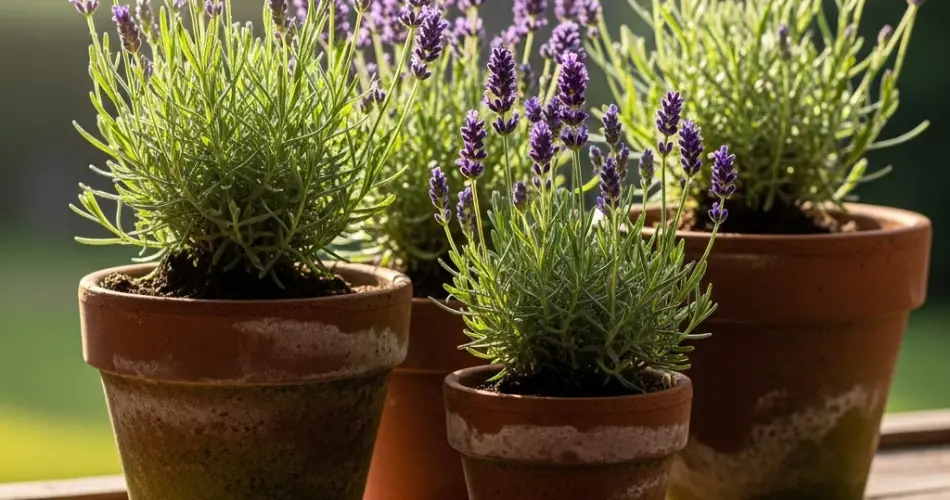
Few plants bring as much charm and fragrance to a home garden as lavender. With its silvery foliage, vibrant purple blooms, and calming scent, lavender is both ornamental and practical. Whether you want to enjoy its beauty on a balcony, patio, or sunny windowsill, container gardening makes it possible to grow lavender even in small urban spaces.
Lavender in pots offers flexibility and convenience, allowing you to move plants around for optimal sunlight, protect them in winter, and create a soothing, Mediterranean-inspired atmosphere. With the right care, lavender will reward you with abundant blooms and a fragrance that lingers long after the flowers are harvested.
Choosing the Right Container
Lavender prefers containers that allow for proper root growth and excellent drainage. Because the plant’s roots spread out more than they grow deep, select a container that is wide—at least 12 to 16 inches in diameter.
Terracotta or clay pots are especially effective since they help wick away excess moisture. Avoid overly decorative containers without drainage holes; standing water quickly leads to root rot in lavender. If your chosen pot doesn’t drain well, consider drilling holes or placing a layer of gravel at the bottom.
The Perfect Soil Mix
Soil plays a crucial role in lavender’s health. In its native Mediterranean environment, lavender grows in rocky, sandy, and well-drained soil. Replicate those conditions in your container by creating a light, airy mix. A simple recipe is:
-
2 parts potting soil
-
1 part coarse sand or perlite
-
1 part compost or organic matter
This blend ensures drainage while providing essential nutrients. To further prevent soggy roots, consider placing pebbles at the bottom of the pot before adding soil.
Sunlight Requirements
Lavender thrives in full sunlight, requiring at least 6–8 hours of direct light daily. Place containers on a south-facing balcony, patio, or sunny windowsill to meet these needs.
If natural light is limited, especially indoors, supplement with a grow light. Without adequate sun, lavender becomes leggy, produces fewer flowers, and loses some of its aromatic intensity.
Watering Techniques
Unlike many herbs, lavender dislikes constant moisture. Overwatering is one of the most common mistakes in container lavender gardening. Follow these guidelines:
-
Allow the top inch of soil to dry before watering again.
-
Water deeply, then let excess drain out completely.
-
Reduce watering in cooler months or when the plant is dormant.
During hot summers, lavender in pots may need watering every few days, while in cooler conditions, once a week or even less can be enough. Always check soil dryness before adding water.
Fertilizing for Blooms
Lavender isn’t a heavy feeder, but light fertilization encourages healthier growth and more blooms. Use a balanced, slow-release fertilizer in spring, or apply a diluted liquid fertilizer every four to six weeks during the growing season.
Avoid high-nitrogen fertilizers, as they encourage leafy growth instead of flowers. A fertilizer blend designed for flowering plants works well.
Pruning and Maintenance
Pruning is essential for container-grown lavender to prevent woody, leggy growth. In early spring, trim back one-third of the plant to encourage bushier, more productive stems.
After the first bloom, light pruning encourages a second flush of flowers later in the season. Regularly remove spent flower stems to keep the plant looking tidy and vibrant.
Every two to three years, repot lavender into fresh soil to rejuvenate the plant and prevent root congestion.
Harvesting Lavender
One of the greatest joys of growing lavender is the harvest. Cut flower stems when the buds are just beginning to open for maximum fragrance and oil concentration.
Gather stems into bundles, tie them with twine, and hang them upside down in a dry, shaded spot. Once dried, lavender flowers can be used for teas, essential oils, sachets, or even in cooking. Fresh lavender sprigs also make an elegant garnish for desserts or cocktails.
Overwintering in Containers
If you live in an area with cold winters, lavender in pots will need extra protection. Move containers to a sheltered location such as an enclosed porch, garage, or greenhouse during freezing weather.
Insulating pots with burlap or placing them against a south-facing wall also helps shield roots from extreme cold. In milder climates, a light mulch of straw or pine needles can protect the soil surface.
Styling with Lavender Containers
Beyond its fragrance and utility, lavender in pots brings decorative charm to your home. Line balcony railings with terracotta pots, place a container by your front door for a welcoming scent, or group several pots together for a dramatic display.
Lavender pairs beautifully with other Mediterranean herbs like rosemary, thyme, and oregano, allowing you to create a small but impactful herb garden on your balcony.
Final Thoughts
Lavender container gardening is both simple and rewarding. By selecting the right pot, preparing well-drained soil, ensuring ample sunlight, and practicing careful watering, you can grow healthy lavender plants that bloom beautifully in even the smallest spaces.
Whether you enjoy it for its fragrance, flavor, or ornamental value, lavender proves that success in gardening doesn’t require a large yard. With a little attention and care, your balcony, patio, or windowsill can be transformed into a soothing oasis filled with the timeless scent of lavender.


