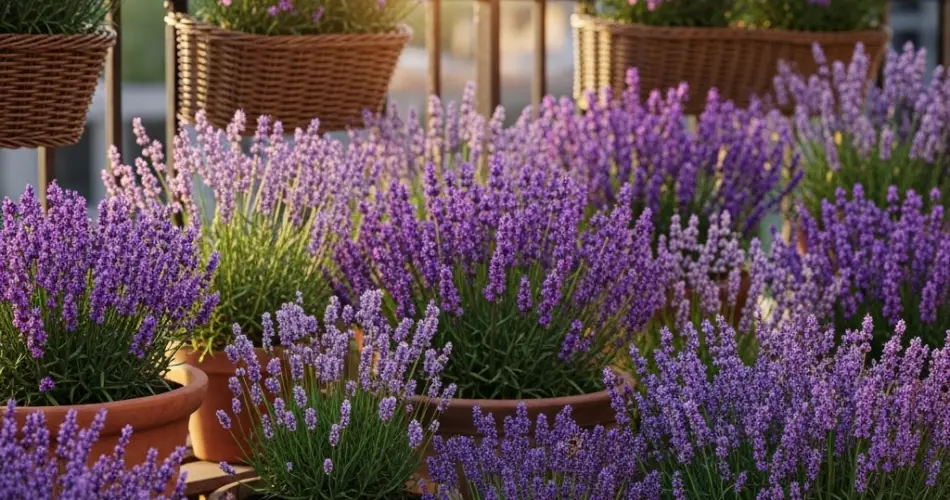
Lavender is one of the most beloved herbs for both its fragrance and versatility. Known for its calming aroma and delicate purple flowers, it brings beauty and function to any home garden. While many imagine lavender growing in wide fields under the sun, it actually adapts surprisingly well to containers. This makes it an excellent choice for balconies, patios, or even a sunny windowsill where space is limited.
Growing lavender in pots allows urban gardeners to enjoy its charm without needing a large yard. With the right container, soil, and care, lavender can thrive, bloom abundantly, and provide you with fragrant harvests year after year.
Why Grow Lavender in Containers?
Container gardening offers unique advantages for lavender. First, lavender prefers well-draining soil, and pots allow you to control conditions more easily than heavy garden beds. Second, containers make it possible to move plants to sunnier spots or protect them during bad weather. Finally, balcony containers allow those in apartments or small homes to enjoy this versatile herb up close.
Key benefits of growing lavender in pots include:
-
Portability: You can shift containers to maximize sun exposure or shelter them in winter.
-
Space efficiency: Even a single large pot can hold a thriving lavender plant.
-
Aesthetic value: Lavender brings a splash of color and elegance to balconies and patios.
-
Practical harvests: Use lavender flowers for teas, sachets, oils, or cooking.
Choosing the Right Container
Lavender’s root system is relatively shallow but spreads out widely, so the container should be wide and not overly deep. A pot at least 12–16 inches in diameter works well for a single plant.
Drainage is critical—lavender roots suffer in waterlogged soil. Choose a pot with drainage holes, and avoid saucers that collect excess water. Terracotta or clay pots are often preferred because they breathe, helping to keep roots from staying too wet.
The Best Soil for Lavender
Lavender thrives in light, sandy, and well-draining soil. Regular potting soil is usually too dense, so amend it before planting. A good mix is:
-
2 parts potting mix
-
1 part coarse sand or perlite
-
1 part compost
This combination ensures that water drains quickly while still providing nutrients. If your balcony is humid or receives a lot of rain, emphasizing drainage with extra sand or gravel at the bottom of the pot will further protect the roots.
Sunlight and Placement
Lavender is a sun-loving plant. To grow and bloom abundantly, it needs at least 6–8 hours of direct sunlight daily. Place your pot on a balcony or windowsill where it will receive maximum sun exposure.
If your balcony is shaded, consider reflective surfaces to increase light, or move the pot indoors near a bright south-facing window supplemented with a grow light. Without enough sunlight, lavender will produce fewer flowers and weaker stems.
Watering Lavender in Pots
Lavender prefers drier conditions compared to many herbs. In pots, it’s better to underwater than to overwater. Follow these guidelines:
-
Allow the top 1–2 inches of soil to dry out between waterings.
-
Water deeply, then let excess water drain completely.
-
Reduce watering during cooler months or dormancy periods.
Overwatering is the most common mistake when growing lavender in containers, so always check soil moisture before adding more water.
Feeding for Growth and Blooms
While lavender isn’t a heavy feeder, a little nutrition supports healthy blooms. Apply a balanced, slow-release fertilizer in spring, or use a diluted liquid fertilizer every 4–6 weeks during the growing season. Avoid excessive nitrogen, as it encourages leafy growth at the expense of flowers.
Pruning and Maintenance
Pruning is essential to keep lavender in pots healthy and productive. Trim back about one-third of the plant in early spring to encourage new growth. After the first flush of blooms, light pruning can stimulate a second flowering later in the season.
Regularly remove faded flowers to keep the plant tidy and extend its blooming period. Every few years, repot lavender into fresh soil to refresh nutrients and prevent overcrowded roots.
Harvesting Lavender
One of the joys of growing lavender is harvesting its fragrant flowers. Snip flower stems when the buds are just opening, as this is when the fragrance is strongest. Bundle stems together, hang them upside down in a cool, dry place, and enjoy them later in teas, sachets, or crafts.
Fresh lavender can also be used in cooking, adding a delicate floral touch to baked goods, jams, or herbal blends.
Overwintering Lavender in Containers
If you live in a region with cold winters, container lavender needs protection. Move pots to a sheltered area, such as an enclosed balcony, unheated garage, or greenhouse. Mulching the soil surface with straw or pine needles also helps insulate roots. For milder climates, placing containers against a south-facing wall may be enough.
Final Thoughts
Lavender is more than just a beautiful plant—it’s an herb that fills your balcony with fragrance, color, and practical uses. By choosing the right pot, ensuring excellent drainage, providing full sun, and maintaining consistent care, you can enjoy abundant blooms even in limited spaces. Container lavender proves that you don’t need a garden to bring a touch of the Mediterranean into your home.
Whether you use it for cooking, crafts, or simply the pleasure of its scent, growing lavender in balcony containers is a rewarding and refreshing way to connect with nature.


