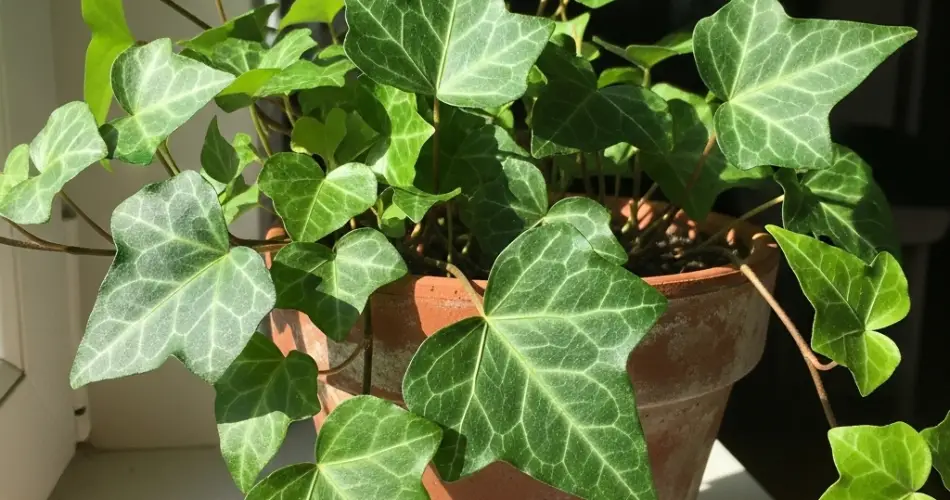
English ivy (Hedera helix) is a classic houseplant celebrated for its trailing vines, lush green foliage, and versatility in indoor settings. From hanging baskets to tabletop planters, ivy adds charm to any home. However, one common issue indoor growers face is leaf drop. Leaves falling prematurely can be a sign of stress, often linked to improper watering practices. By understanding the water needs of English ivy and adjusting your care routine, you can prevent leaf loss and maintain a vibrant, healthy plant.
This guide covers how to water English ivy correctly, identify signs of stress, and implement practices that keep your foliage full and flourishing.
Understanding Leaf Drop
Leaf drop in English ivy can occur for several reasons, but watering is the most frequent cause. Both overwatering and underwatering disrupt the plant’s balance, leading to stress and falling leaves.
-
Overwatering: When the soil remains soggy, roots may suffocate, leading to yellowing leaves that eventually fall. Overwatered plants may also develop root rot, which is often fatal if not addressed promptly.
-
Underwatering: Dry soil deprives the plant of necessary moisture, causing leaves to curl, brown at the edges, and drop. Plants under drought stress prioritize survival over maintaining foliage.
Recognizing the signs early allows you to adjust watering habits before significant damage occurs.
Checking Soil Moisture
The key to preventing leaf drop is to monitor soil moisture carefully. Stick your finger about one to two inches into the soil. If the soil feels dry at this depth, it’s time to water. If it still feels moist, wait a few days before checking again. Relying on a fixed watering schedule is risky, as indoor conditions—light, temperature, and humidity—can vary widely and affect soil drying rates.
Proper Watering Techniques
Bottom Watering
English ivy’s delicate leaves are prone to spotting or rot if water sits on them, making bottom watering the preferred method:
-
Fill a shallow tray with lukewarm, filtered, or distilled water.
-
Place the pot in the tray for about 15–30 minutes, allowing the soil to absorb water through the drainage holes.
-
Remove the pot once the soil is adequately moist.
Bottom watering keeps leaves dry and encourages roots to grow deeper, reducing the risk of stress-related leaf drop.
Top Watering
If top watering is necessary, pour water slowly around the base of the plant, avoiding contact with leaves. Always water until excess drains out of the bottom, and empty any standing water in saucers.
Soil and Potting Considerations
Using a well-draining soil mix helps prevent both overwatering and underwatering problems. A blend of standard indoor potting soil with perlite or sand works well. Pots with drainage holes are essential to allow excess water to escape. Terracotta pots can be particularly helpful, as they allow soil to dry more evenly and prevent water accumulation.
Repotting every 1–2 years with fresh soil helps maintain good drainage and root health, reducing the likelihood of leaf drop caused by root stress.
Seasonal Adjustments
Watering frequency should be adjusted according to seasonal growth patterns:
-
Spring and summer: Ivy grows actively and may require watering once or twice a week, depending on environmental conditions.
-
Fall and winter: Growth slows, and the plant requires less water. Reduce watering to every 10–14 days or as needed, always checking soil moisture first.
Adjusting your routine seasonally ensures that the plant receives the right amount of moisture without overloading the roots.
Additional Tips to Prevent Leaf Drop
-
Humidity: English ivy thrives in moderate humidity. Dry indoor air can stress the plant and exacerbate leaf drop. Increase humidity by placing a pebble tray with water under the pot, grouping plants together, or using a room humidifier.
-
Lighting: Provide bright, indirect light. Insufficient light can weaken the plant, making it more susceptible to leaf loss. Avoid harsh direct sunlight, which can scorch leaves.
-
Fertilization: Feed every four to six weeks during the growing season with a balanced, water-soluble fertilizer. Avoid over-fertilization, which can burn roots and damage foliage.
Common Mistakes to Avoid
-
Watering on a fixed schedule without checking soil moisture
-
Allowing the plant to sit in standing water
-
Using water that is too cold or chemically harsh
-
Ignoring seasonal changes in growth and adjusting care accordingly
Final Thoughts
Leaf drop in English ivy is often preventable with careful watering practices and attention to environmental conditions. By checking soil moisture before watering, using proper techniques, providing well-draining soil, and adjusting for seasonal growth, you can maintain lush, healthy foliage. Combined with adequate light, moderate humidity, and occasional fertilization, these practices will keep your ivy thriving indoors, adding elegance and greenery to your home.


