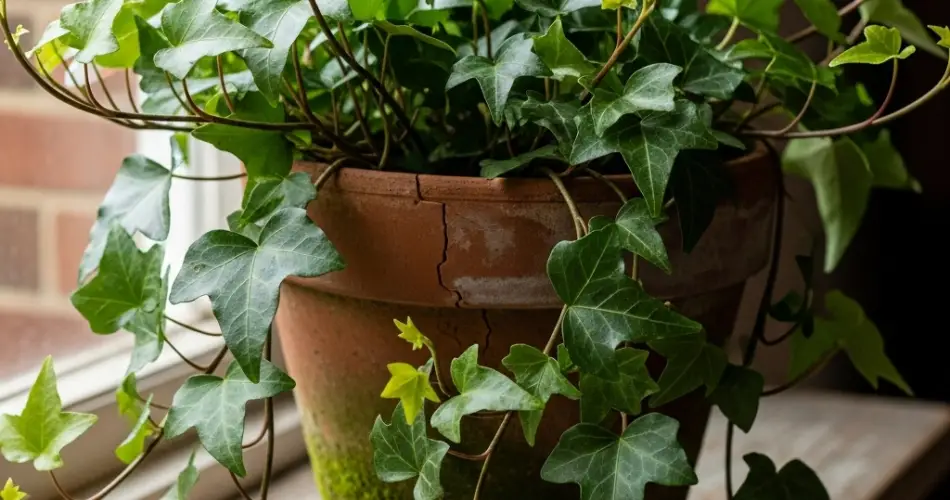
English ivy (Hedera helix) is a popular choice for hanging containers, admired for its trailing vines, vibrant green leaves, and ability to create a cascading, natural display indoors or outdoors. However, while ivy is relatively easy to care for, watering it in hanging containers presents unique challenges. Because these containers often have less soil volume and are exposed to more air circulation, maintaining consistent moisture can be tricky. Proper watering techniques are essential to ensure healthy leaves, strong growth, and lush, trailing vines.
This guide provides practical tips and strategies for watering English ivy in hanging containers, keeping your plant thriving in any setting.
Understanding the Needs of English Ivy
English ivy prefers evenly moist soil but does not tolerate waterlogged roots. Striking the right balance is key:
-
Moist but not soggy: Soil should feel damp to the touch but not saturated. Overwatering can suffocate the roots, leading to brown leaf tips or root rot.
-
Even moisture: Avoid allowing the soil to dry out completely, which stresses the plant and can cause leaf drop or slowed growth.
-
Observe the plant: Drooping leaves often indicate underwatering, while yellowing or wilting in wet soil signals overwatering.
Choosing the Right Hanging Container
The container itself can make a significant difference in watering success.
-
Drainage: Ensure your hanging basket has adequate drainage holes. Excess water should escape freely to prevent root rot.
-
Material: Plastic pots retain moisture longer, reducing watering frequency, while woven or wire baskets with liners allow faster drying.
-
Size: Containers with a slightly larger soil volume help retain moisture longer, but avoid oversized pots that may encourage root rot.
A well-chosen container forms the foundation for successful watering practices.
Watering Techniques for Hanging Ivy
Because hanging containers can dry out faster, careful watering is essential.
-
Check soil regularly: Stick your finger about an inch into the soil. Water when the top inch feels dry.
-
Water thoroughly: When watering, ensure the entire root zone is moistened. Pour water evenly across the soil surface until it begins to drain from the bottom.
-
Bottom watering: If possible, remove the container and place it in a shallow tray of water for 15–20 minutes. Allow the roots to absorb moisture evenly, then drain excess water before rehanging.
-
Avoid splashing leaves: Watering directly onto the leaves can cause spots or fungal issues, so aim for the soil surface.
Environmental Factors Affecting Moisture
Hanging containers are exposed to more air movement and sun, which can impact how quickly the soil dries.
-
Sunlight: Containers in direct sun dry faster. Monitor soil moisture daily in hot or sunny conditions.
-
Wind and airflow: Breezy areas increase evaporation, requiring more frequent watering.
-
Indoor vs. outdoor conditions: Indoor hanging baskets may need less water due to reduced evaporation, while outdoor baskets in warm or dry climates will need more frequent attention.
Understanding your environment helps you adjust watering schedules effectively.
Mulching and Moisture Retention
Mulching can help maintain consistent soil moisture in hanging containers.
-
Light mulch: Use a thin layer of sphagnum moss, coconut coir, or fine bark on top of the soil. This reduces evaporation and keeps roots evenly moist.
-
Avoid thick layers: Excessive mulch can retain too much water, causing fungal growth.
-
Refresh periodically: Replace or fluff mulch every few months to maintain airflow and prevent compaction.
Seasonal Adjustments
Watering frequency should reflect seasonal changes.
-
Spring and summer: Warmer temperatures and active growth require more frequent watering. Monitor soil closely, especially for containers in full sun.
-
Fall and winter: Cooler temperatures and slower growth reduce water needs. Allow the top layer of soil to dry slightly before watering again.
Adjusting watering based on seasonal growth patterns ensures the plant receives just the right amount of moisture year-round.
Tips for Healthy Ivy Growth
Beyond watering, several additional practices promote lush, trailing vines:
-
Fertilize appropriately: Use a balanced liquid fertilizer every 4–6 weeks during the growing season to support leaves and root health.
-
Prune regularly: Trim long or leggy vines to encourage fuller growth and more compact foliage.
-
Inspect for pests: Hanging baskets can be more exposed to spider mites or aphids. Regularly check leaves, especially the undersides, for early signs of infestation.
Final Thoughts
Watering English ivy in hanging containers requires careful attention to soil moisture, container choice, environmental factors, and seasonal changes. By understanding your plant’s needs, using proper watering techniques, and monitoring conditions closely, you can maintain healthy roots and vibrant, trailing foliage.
With consistent care and attention, your hanging English ivy will thrive, providing cascading greenery that enhances any indoor or outdoor space. These techniques ensure your ivy remains lush, healthy, and attractive throughout the year.


