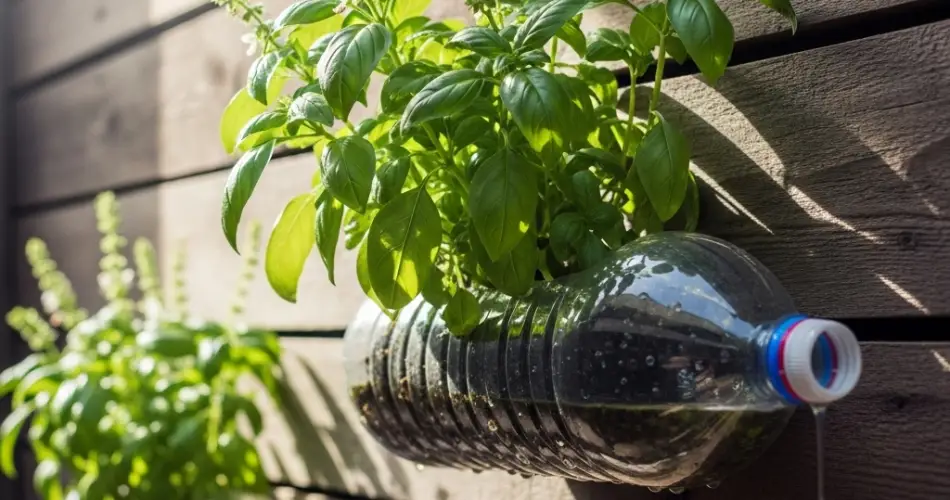
Basil (Ocimum basilicum) is one of the most versatile and aromatic herbs, beloved in kitchens worldwide. Its fresh leaves enhance everything from pasta and salads to homemade sauces and pestos. For urban gardeners with limited space, growing basil vertically in a sustainable wall garden offers a practical and eco-friendly solution. Using upcycled bottles as planters, you can transform walls or fences into lush, green herb gardens while reducing plastic waste and creating an attractive living display.
This guide explores the steps, tips, and techniques to successfully cultivate basil in a bottle-based vertical garden, from setup to harvest.
Choosing Your Bottles
The first step in creating a sustainable wall garden is selecting containers.
-
Plastic bottles: Reuse 1–2 liter bottles, cutting them horizontally or vertically to create planter sections.
-
Glass jars: Small jars can be mounted on walls for compact basil varieties, though they require careful watering to avoid leaks.
-
Drainage: Puncture small holes at the bottom of each bottle to ensure excess water can drain, preventing root rot.
Upcycling bottles not only reduces waste but also keeps the garden lightweight, making wall installation easier.
Preparing the Wall Structure
A sturdy and well-positioned wall or frame is essential for vertical gardening.
-
Support: Use nails, hooks, or a wooden trellis to secure bottles. Ensure the structure can bear the combined weight of soil, water, and growing plants.
-
Orientation: Position the wall where the basil receives bright, indirect sunlight—ideally 6–8 hours per day.
-
Accessibility: Arrange bottles at a height and spacing that allows easy watering, pruning, and harvesting.
Proper installation ensures stability and healthy growth while preventing accidental falls.
Choosing the Right Soil
Basil requires well-draining, nutrient-rich soil.
-
Potting mix: Use a light, airy potting soil or a mix of compost, perlite, and peat moss.
-
Nutrients: Enrich the soil with organic matter or slow-release fertilizer to support steady leaf growth.
-
Soil depth: Ensure each bottle has at least 4–6 inches of soil to accommodate the root system.
Good soil prevents waterlogging while providing essential nutrients for vibrant leaves and robust growth.
Planting and Spacing
Proper planting techniques encourage healthy basil growth.
-
Seeds: Sow basil seeds thinly, covering lightly with soil. Keep soil moist until seedlings emerge, usually within 7–14 days.
-
Transplants: Young basil plants can be transferred into bottles. Space them to prevent overcrowding, allowing air circulation and sunlight to reach all leaves.
-
Variety selection: Choose compact or bushy basil varieties for vertical gardens to ensure fuller growth without excessive sprawl.
Correct spacing and planting depth promote strong stems and reduce the risk of disease.
Watering and Maintenance
Consistent care keeps basil thriving in a wall garden setup.
-
Watering: Check soil daily; water when the top inch feels dry. Pour water slowly to prevent overflow and ensure roots absorb moisture evenly.
-
Drainage check: Ensure excess water drains freely to avoid soggy soil that can lead to root rot.
-
Pruning: Regularly pinch off tips to encourage bushier growth. Remove yellow or damaged leaves to maintain plant health.
Consistent maintenance enhances leaf production and prolongs the lifespan of your vertical garden.
Fertilization
Basil benefits from occasional feeding to sustain leaf growth.
-
Organic options: Liquid seaweed or compost tea can provide essential nutrients without harming the environment.
-
Frequency: Fertilize every 2–3 weeks during the growing season, reducing frequency in cooler months.
-
Balanced nutrients: Ensure a mix of nitrogen, phosphorus, and potassium to support both foliage and root development.
Proper fertilization ensures abundant, flavorful leaves for harvest.
Harvesting Tips
Harvesting correctly encourages continuous growth and flavorful leaves.
-
Pick regularly: Trim the top sets of leaves, leaving at least two-thirds of the plant intact.
-
Timing: Harvest in the morning when leaves are freshest and most aromatic.
-
Avoid flowering: Pinch off flower buds to keep the plant focused on leaf production rather than seed formation.
Frequent harvesting keeps basil lush and productive while supplying your kitchen with fresh herbs.
Benefits of a Bottle-Based Wall Garden
-
Sustainability: Upcycling plastic bottles reduces waste and repurposes household materials.
-
Space-saving: Vertical arrangement makes efficient use of small balconies, patios, or indoor walls.
-
Aesthetic appeal: A wall garden adds greenery and visual interest to urban living spaces.
-
Fresh herbs year-round: Regular care and harvesting provide a constant supply of aromatic basil leaves.
Final Thoughts
Creating a bottle-based wall garden for basil is a simple, sustainable, and rewarding way to grow fresh herbs in limited spaces. By carefully selecting containers, preparing soil, maintaining moisture, and practicing regular pruning and harvesting, you can enjoy healthy, aromatic basil year-round. This eco-friendly gardening approach not only enriches your cooking but also adds greenery and life to your home or balcony.
With consistent care and attention, your vertical basil garden will flourish, providing fresh leaves, reducing waste, and transforming ordinary walls into a vibrant, living herb display.


