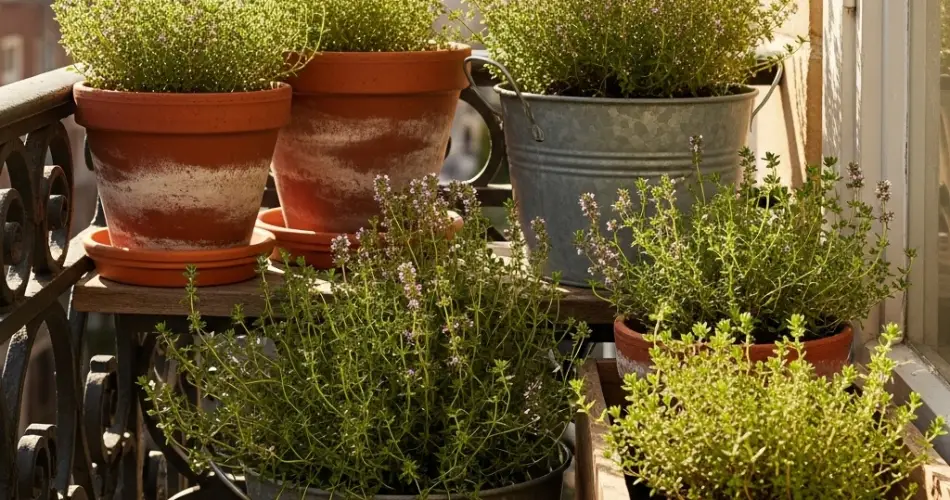
Oregano is a hardy perennial herb, famous for its bold, earthy flavor and versatility in the kitchen. While it can survive year after year in garden beds in mild climates, oregano grown in pots needs a bit of extra care when the colder months arrive. Container-grown plants are more vulnerable to temperature fluctuations and root damage because their roots are not insulated by the ground. However, with some preparation and attention, you can successfully overwinter oregano in pots and enjoy fresh leaves again in the spring.
This guide explains why overwintering matters, the steps you should take before frost sets in, and the best care practices during the cold season.
Why Overwinter Oregano in Pots?
Unlike annual herbs that complete their life cycle in one season, oregano is perennial, meaning it can live for several years if cared for properly. By overwintering your plant, you save time and effort compared to starting fresh each year from seeds or cuttings.
Container-grown oregano, however, faces challenges:
-
Root exposure: Roots in pots are more exposed to freezing temperatures than those in the ground.
-
Moisture issues: Winter rains or snow can waterlog soil and damage the roots.
-
Temperature swings: Pots cool down and heat up quickly, stressing the plant.
By giving your oregano the right protection, you extend its lifespan and keep a steady supply of flavorful leaves.
Preparing Oregano for Winter
Start planning for overwintering in early autumn before the first frost. A little preparation now ensures your plant makes it through the season.
-
Prune Back the Plant
Trim stems down to about 3–4 inches tall. This reduces the plant’s energy needs and encourages it to conserve resources for the winter. Removing excess foliage also lowers the risk of pests and diseases. -
Check the Pot and Soil
Ensure the container has good drainage. If water collects in the soil, roots may rot when temperatures drop. Consider refreshing the top layer of soil with compost to provide nutrients for winter dormancy. -
Move Pots to Shelter
Before frost arrives, decide where your oregano will spend the winter. Options include:-
Indoors on a sunny windowsill: Best for very cold climates.
-
Greenhouse or sunroom: Provides light and warmth without indoor heating stress.
-
Outdoor sheltered spot: In mild climates, placing pots against a wall or under a porch may be enough.
-
Indoor Overwintering
Bringing oregano indoors is one of the safest ways to protect it in areas with freezing winters. Here’s how to transition the plant smoothly:
-
Choose the brightest spot: Oregano thrives on 6–8 hours of sunlight daily. A south-facing window works best. If natural light is scarce, supplement with a small grow light.
-
Adjust watering: Indoors, the plant grows more slowly in winter. Water sparingly, letting the top inch of soil dry between waterings. Overwatering is a common mistake during dormancy.
-
Temperature: Keep the plant in a cool room, ideally between 50–65°F (10–18°C). Avoid placing it near heating vents or radiators, which dry out the soil and leaves.
Outdoor Overwintering
If you prefer to keep oregano outdoors, extra protection is necessary.
-
Insulate the Pot: Wrap the container in bubble wrap, burlap, or garden fleece to keep roots warmer. You can also place the pot inside a larger container filled with straw or mulch for added insulation.
-
Mulch the Soil Surface: Apply a 2–3 inch layer of straw, shredded leaves, or bark chips around the base of the plant to shield the roots from freezing.
-
Choose a Sheltered Location: Place pots close to the house, garage, or fence, where they benefit from some reflected warmth and protection from wind.
Caring for Oregano During Winter
Whether indoors or outdoors, oregano requires lighter care during winter since it enters a semi-dormant phase.
-
Watering: Keep the soil lightly moist but never soggy. Outdoor plants need little water since winter rain usually suffices, while indoor pots should be watered sparingly.
-
Fertilizer: Hold off on fertilizing until spring. The plant doesn’t actively grow in winter, so added nutrients may go unused.
-
Pruning: Remove any yellowing or dead stems to keep the plant tidy and healthy.
Reviving Oregano in Spring
Once temperatures rise and frost danger passes, you can move your oregano back outdoors or allow it to resume full growth indoors.
-
Gradually reintroduce the plant to outdoor conditions by hardening it off—placing it outside for a few hours each day before leaving it out permanently.
-
Resume regular watering and begin feeding lightly with compost tea or a balanced fertilizer to encourage fresh growth.
-
Trim back any dead or woody stems to make room for new shoots.
Final Thoughts
Overwintering oregano in pots is a simple but rewarding process that ensures your plant continues producing fragrant, flavorful leaves for years to come. With careful preparation, proper shelter, and a lighter winter care routine, oregano can thrive even when grown in small containers. Whether you bring it indoors or insulate it outdoors, your oregano will reward you in spring with fresh growth, ready to season your favorite dishes once again.


