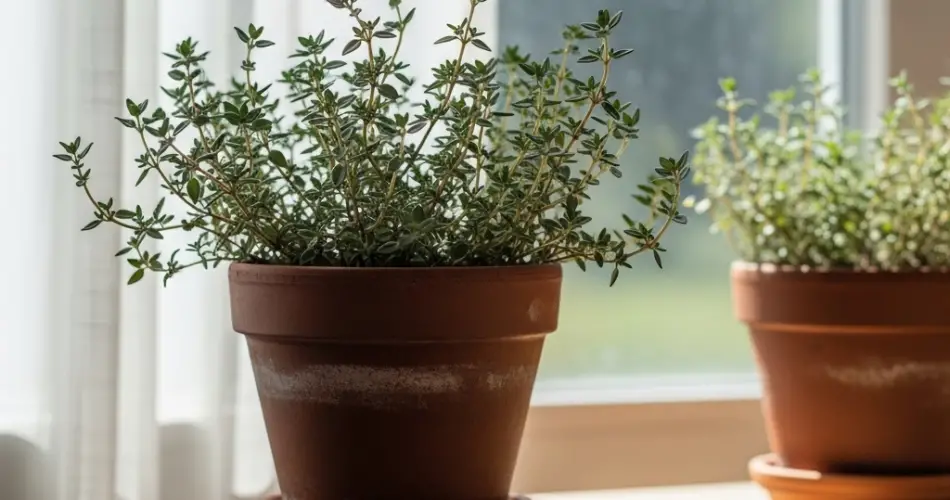
Oregano is one of the most versatile herbs you can grow at home, known for its robust flavor and aromatic qualities that elevate countless recipes. From pasta sauces to grilled meats, this Mediterranean herb has earned a permanent spot in kitchens worldwide. While oregano naturally spreads when planted in garden beds, it adapts beautifully to containers, making it a perfect choice for small spaces such as balconies, patios, or sunny indoor windowsills.
Container gardening with oregano not only keeps the plant neat and controlled but also gives you easy access to fresh leaves whenever you need them. By choosing the right pot, soil, and care routine, you can create a compact and highly productive herb garden right at home.
Why Grow Oregano in Containers?
One of the biggest challenges of growing oregano in the ground is its tendency to spread rapidly. In containers, this growth is naturally contained, which makes maintenance simple. Container growing also offers flexibility—you can move the plant to catch the sun, shelter it from excessive rain, or bring it indoors during cold weather.
Another advantage is accessibility. Having a pot of oregano near your kitchen means you can harvest fresh sprigs in seconds. It’s also an excellent option for beginners, as oregano is hardy, low-maintenance, and forgiving of occasional mistakes.
Choosing the Right Pot
The container you select sets the stage for your plant’s success.
-
Size: A pot about 20–25 cm wide and deep works well for a single oregano plant. If you plan to grow several herbs in one container, make sure the oregano has enough room to spread.
-
Material: Terracotta is a great choice because it allows excess moisture to escape, preventing soggy roots. Plastic and ceramic containers are also suitable, provided they have drainage holes.
-
Drainage: Oregano dislikes sitting in waterlogged soil. Ensure your container has multiple drainage holes and avoid letting water collect in a saucer beneath the pot.
Soil Mix for Healthy Growth
Oregano thrives in well-draining soil that mimics its native Mediterranean environment. Heavy, compacted soil can suffocate the roots and cause rot, so a light mix is best.
A good potting mix includes:
-
General-purpose potting soil as the base.
-
Perlite, pumice, or coarse sand to improve drainage and aeration.
-
A small amount of compost or organic matter for nutrients.
Avoid over-enriching the soil—too many nutrients can weaken oregano’s flavor.
Sunlight and Temperature Needs
Oregano loves sunshine. Place your container where it will receive at least 6–8 hours of direct sunlight daily. On a balcony or patio, choose the sunniest spot available. Indoors, a south-facing window is ideal.
If natural light is limited, a grow light can provide the boost needed to keep your oregano healthy. Temperature-wise, oregano does well in warm conditions. In regions with cold winters, the plant should be moved indoors before frost arrives.
Watering Oregano in Containers
Consistent but moderate watering is key. Oregano prefers soil that dries slightly between waterings.
-
Water when the top 2–3 cm of soil feels dry.
-
In summer, this may mean watering every couple of days, while in cooler months once a week may suffice.
-
Always allow excess water to drain, as soggy soil can lead to root problems.
This balance ensures the plant remains healthy without losing its strong flavor.
Harvesting and Pruning Tips
Regular harvesting not only provides you with fresh herbs but also encourages bushier, healthier growth.
-
Wait until the plant reaches about 15 cm tall before the first harvest.
-
Snip stems just above a leaf node to encourage branching.
-
Remove flower buds as they appear, since flowering reduces the intensity of the leaves’ flavor.
With consistent pruning, oregano will stay compact and productive throughout the season.
Fertilizing Oregano
Unlike some herbs that need heavy feeding, oregano benefits from a light touch. Over-fertilizing can make the leaves less aromatic. A diluted organic fertilizer, applied once every four to six weeks during the growing season, is usually sufficient. Liquid seaweed, compost tea, or a mild all-purpose blend all work well.
Year-Round Care
For ongoing success, refresh your oregano plant as needed:
-
Spring: Trim back any woody stems and add a little compost to the soil.
-
Summer: Harvest frequently and prune for shape.
-
Autumn: Reduce watering as the plant’s growth slows.
-
Winter: Move pots indoors if frost threatens. If kept inside, place in the sunniest window available.
Every two to three years, consider repotting or dividing the plant. This prevents the root system from becoming crowded and revitalizes growth.
Companion Herbs
If you’re creating a mixed herb container, oregano pairs well with other Mediterranean herbs such as thyme, rosemary, and sage. These plants share similar growing needs and thrive in the same type of soil. Avoid pairing oregano with water-loving herbs like basil or mint in the same container, as their requirements differ too much.
Conclusion
Growing oregano in containers is one of the easiest ways to bring this flavorful herb into your home. It’s a low-maintenance plant that rewards you with fresh, aromatic leaves for cooking throughout the year. With a properly sized pot, well-draining soil, abundant sunlight, and mindful watering, you can cultivate a thriving oregano plant in even the smallest spaces.
Whether you live in a city apartment with only a windowsill or a house with a small balcony, oregano is a compact, reliable solution for anyone who wants to enjoy the benefits of homegrown herbs. Once established, it will become a long-lasting and flavorful addition to your container garden.


