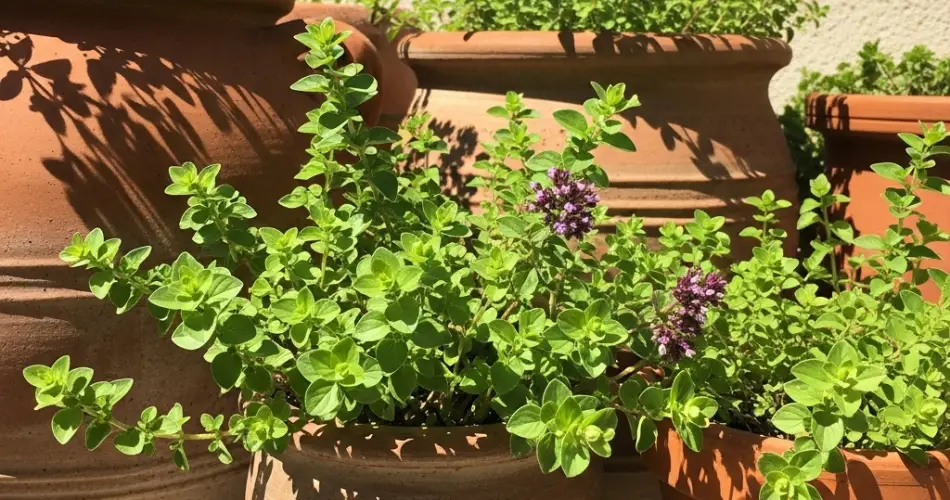
Oregano is a staple in kitchens worldwide, prized for its bold, earthy flavor and delightful aroma. Often used in Mediterranean, Italian, and Mexican dishes, this herb enhances pizzas, sauces, grilled meats, and even teas. While many assume oregano requires a garden bed to thrive, it actually grows exceptionally well in containers. This makes it a perfect choice for anyone with a balcony, patio, or even a sunny windowsill.
Growing oregano in pots allows you to enjoy a steady supply of fresh herbs year-round without worrying about it spreading too aggressively, as it often does in garden soil. With just a little care and planning, you can have a compact, productive oregano plant right at home.
Why Oregano Works Well in Containers
Oregano is naturally hardy and well-suited to confined spaces. In fact, container growing helps manage its vigorous growth, keeping it neat and easy to harvest. Pots also provide flexibility—you can move them to chase sunlight, protect them from heavy rain, or bring them indoors during cold weather.
Unlike some herbs that require constant attention, oregano thrives with minimal care. Its adaptability makes it an excellent candidate for beginner gardeners or those working with limited space.
Picking the Right Pot
Your choice of container plays a big role in oregano’s success.
-
Size: A pot 20–25 cm deep and wide is ideal. Oregano’s roots don’t require great depth but do need room to spread.
-
Material: Terracotta pots are excellent because they allow excess moisture to evaporate. Plastic and ceramic containers also work well if they have proper drainage holes.
-
Drainage: This is non-negotiable. Oregano hates sitting in soggy soil, so make sure your pot has enough holes to release extra water.
For small balconies, oregano can also grow well in window boxes or hanging planters, as long as drainage remains a priority.
The Best Soil Mix
Oregano is native to Mediterranean regions, where the soil is sandy and not overly fertile. For container success, recreate those conditions with a well-draining mix.
A simple formula includes:
-
Regular potting soil as a base.
-
Perlite, pumice, or coarse sand for aeration and drainage.
-
A touch of compost for nutrients—just enough to encourage healthy growth without making the plant too lush.
Soil that’s too rich can actually dull oregano’s flavor, so leaner is better.
Light and Temperature
Oregano loves the sun. Place your pot where it will receive at least 6–8 hours of direct sunlight daily. A south-facing balcony or windowsill is ideal.
If you’re growing indoors and sunlight is limited, a small grow light can keep your plant thriving. Temperature-wise, oregano prefers warmth but will tolerate mild fluctuations. If winters in your area are harsh, bring your plant indoors before the first frost.
Watering Guidelines
When it comes to water, oregano prefers a light touch. Overwatering is one of the most common reasons container herbs fail.
-
Check the soil by touching the top few centimeters. If it feels dry, water lightly.
-
During summer, watering may be needed every two to three days. In cooler seasons, once a week may be enough.
-
Always allow excess water to drain away and avoid leaving the pot sitting in a saucer of water.
These practices prevent root rot and help the herb maintain its strong, aromatic flavor.
Harvesting and Pruning
Pruning oregano regularly not only gives you flavorful leaves for cooking but also encourages bushier growth.
-
First Harvest: Wait until plants reach about 15 cm in height before cutting.
-
Pruning: Snip stems just above a pair of leaves. This stimulates branching and prevents legginess.
-
Flower Control: Pinch off flower buds as they appear. Once oregano flowers, its leaves lose some of their punch.
By harvesting consistently, you extend the life and productivity of your plant.
Fertilizing Lightly
Unlike heavy-feeding herbs like basil, oregano only needs modest nutrition. Too much fertilizer results in rapid but flavorless growth. A diluted organic liquid fertilizer, like compost tea or seaweed extract, every four to six weeks is sufficient. This maintains healthy development without compromising taste.
Seasonal and Long-Term Care
To keep your oregano productive year after year, follow these seasonal care tips:
-
Spring: Refresh soil with a little compost and trim back woody stems.
-
Summer: Keep pruning and harvesting regularly to maintain vigor.
-
Autumn: Slow watering and prepare for reduced growth.
-
Winter: If kept indoors, place near a sunny window. Outdoors, protect plants with covers or bring them inside before frost.
Every couple of years, repot or divide the plant. Cutting back the root ball and replanting it in fresh soil keeps oregano youthful and flavorful.
Companion Planting Ideas
If you’re growing multiple herbs in your balcony garden, oregano pairs best with other Mediterranean plants like thyme, sage, and rosemary. They all share similar soil and water needs, making care easier. Avoid grouping oregano with moisture-loving herbs such as mint or basil in the same pot, as their preferences differ too much.
Final Thoughts
Oregano is one of the easiest and most satisfying herbs to grow at home. With a simple pot, well-draining soil, plenty of sunlight, and mindful watering, you can enjoy a fresh supply of this flavorful herb year-round. Whether sprinkled over pizza, infused into oils, or mixed into marinades, homegrown oregano always delivers a fresher, more robust taste than store-bought versions.
Container gardening not only makes oregano accessible to small-space growers but also gives you control over its environment. With minimal effort, you’ll have a thriving herb that enriches your cooking and brightens your balcony garden season after season.


