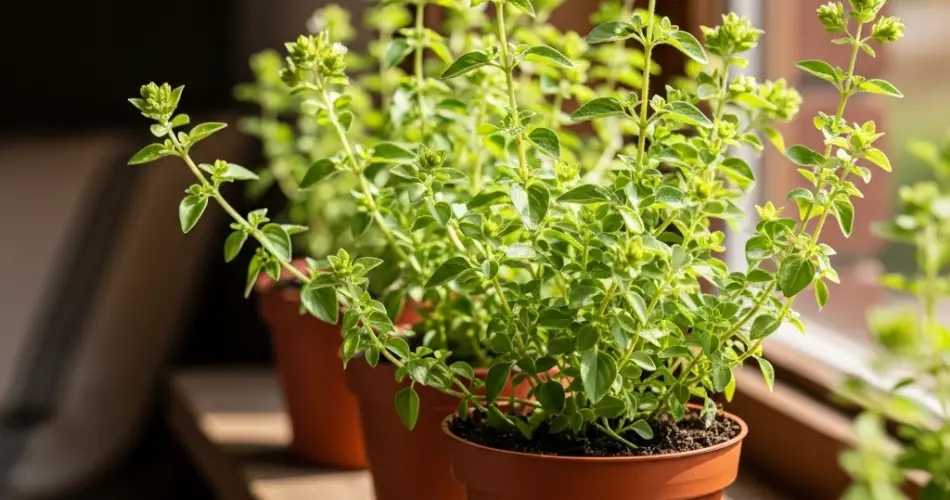
Oregano is a fragrant herb well-loved for its bold flavor and medicinal properties. It is a staple in Mediterranean and Italian cooking, often used to season sauces, roasted vegetables, meat, and homemade pizza. The best part is that you don’t need a large garden to enjoy a steady supply of oregano. With just a small pot, a sunny spot, and a little care, you can grow oregano successfully even in limited spaces such as a balcony, patio, or kitchen windowsill.
This article will guide you through the process of growing oregano in small pots, from choosing the right container to harvesting flavorful leaves for your kitchen.
Why Oregano Works Well in Pots
Oregano is naturally compact and low-maintenance, making it perfectly suited for container gardening. Unlike sprawling vegetables or deep-rooted plants, oregano grows in neat clusters and thrives even when space is limited. By growing it in pots, you also prevent the roots from spreading uncontrollably, keeping the plant manageable and tidy.
Other advantages of container-grown oregano include:
-
Space-saving: A small pot on a windowsill or balcony can support a healthy plant.
-
Mobility: Move pots around to chase sunlight or shelter them from harsh weather.
-
Accessibility: Harvest fresh oregano leaves right outside your kitchen door.
-
Pest control: Containers make it easier to monitor and treat pests compared to garden beds.
Choosing the Right Pot
Oregano is adaptable but grows best in well-chosen containers.
-
Size: Start with a pot at least 8–10 inches wide and about 6–8 inches deep. This gives the plant enough space to spread without overwhelming your limited area.
-
Material: Terracotta pots are ideal because they allow excess moisture to evaporate, reducing the risk of soggy roots. Plastic or ceramic pots also work, provided they have proper drainage.
-
Drainage: Oregano dislikes sitting in water, so ensure your container has holes at the bottom. Adding a layer of pebbles before filling the pot with soil improves drainage further.
Soil and Planting
The key to healthy oregano is well-draining soil. A light potting mix with added sand or perlite works best. Avoid heavy soils that retain too much water, as oregano prefers conditions closer to dry than damp.
You can grow oregano in pots using one of three methods:
-
Seeds: Sow seeds on the surface of the soil, press lightly, and mist with water. Seeds are tiny, so avoid burying them deeply. Germination usually takes 7–14 days.
-
Cuttings: Take a stem cutting from a mature plant, remove lower leaves, and place it in water until roots form. Once rooted, transfer it to your pot.
-
Transplants: Buying a small oregano plant from a nursery and re-potting it is the quickest way to start.
Light and Water Requirements
Oregano thrives in bright sunlight. For the best growth and flavor, place your pot where it will receive at least 6–8 hours of direct sunlight daily. Indoors, keep it near a south-facing window or use a grow light if natural light is limited.
When it comes to watering, oregano prefers a “less is more” approach. Water only when the top inch of soil feels dry. Overwatering not only harms the roots but can also reduce the essential oils in the leaves, leading to less flavorful harvests.
Feeding and Care
Oregano is not a heavy feeder, so it doesn’t require frequent fertilization. Too much fertilizer can even dull its flavor. A light application of liquid fertilizer or compost tea once a month during the growing season is sufficient.
To keep the plant bushy, trim the stems regularly. Pinch back new growth to encourage branching, and harvest often to prevent the plant from becoming leggy. If flowers appear, pinch them off to keep energy focused on leaf production.
Harvesting Oregano
You can begin harvesting oregano leaves once the plant is well established and has at least 4–6 inches of growth. Snip leaves or small stems with scissors, taking care not to remove more than one-third of the plant at once. This ensures continuous growth.
For the most intense flavor, harvest oregano just before the plant flowers, when essential oils are at their peak. Fresh leaves can be used immediately, or you can dry them by hanging small bundles upside down in a cool, dry place.
Creative Ways to Use Potted Oregano
-
Culinary delights: Freshly picked oregano adds bold flavor to pasta, soups, stews, and grilled meats.
-
Herbal teas: Brew oregano leaves into a soothing tea known for its antioxidant properties.
-
Aromatic décor: A pot of oregano doubles as a natural air freshener in your kitchen.
-
DIY remedies: Oregano oil is often used for its antibacterial qualities, though making it requires more advanced preparation.
Troubleshooting Common Issues
-
Yellowing leaves: Usually caused by overwatering—allow soil to dry between waterings.
-
Leggy growth: The plant is not getting enough sunlight—move it to a brighter location.
-
Pests: Aphids or spider mites can appear but are easily controlled with neem oil or insecticidal soap.
Final Thoughts
Growing oregano in small pots is an easy and rewarding way to bring fresh herbs into your kitchen, even if you have very little space. With the right container, proper sunlight, and minimal maintenance, your oregano plant will thrive and provide flavorful leaves throughout the year. Whether on a balcony, a patio table, or a sunny kitchen windowsill, a pot of oregano is a compact, practical, and aromatic addition to any home.


