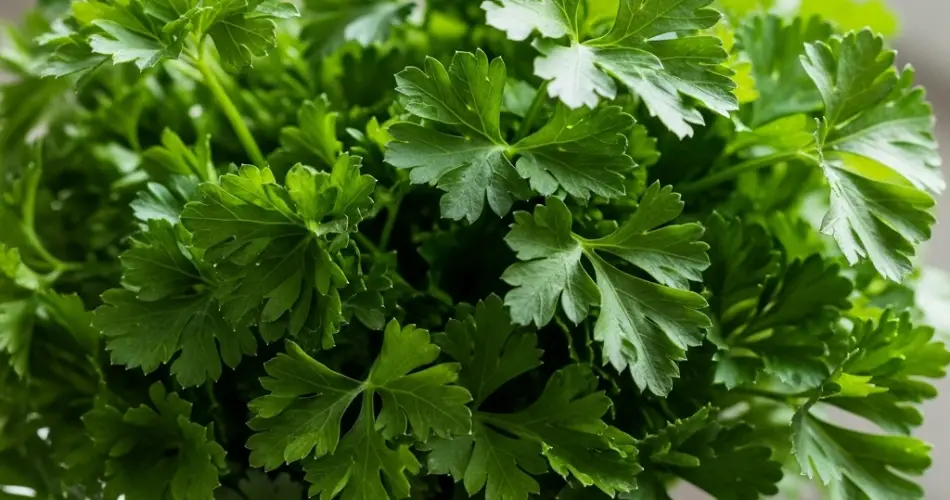
If you’re new to gardening and looking for a foolproof herb to start with, parsley is a perfect choice. This vibrant, aromatic plant is both decorative and useful, thriving with just a bit of attention and care. Whether you’re working with a balcony container, a backyard garden, or a sunny windowsill, parsley will reward you with flavorful leaves and lush green growth even if you’ve never touched a trowel before.
This beginner-friendly guide walks you through every step to successfully nurture parsley, from planting to harvest—no gardening experience required.
Why Parsley?
Parsley (Petroselinum crispum) is an easy-to-grow herb that adds flavor, nutrition, and beauty to your space. It comes in two main types:
-
Curly leaf parsley, with frilly leaves and a mild taste, often used as a garnish.
-
Flat leaf parsley, also known as Italian parsley, with broader leaves and a stronger flavor preferred for cooking.
Parsley is not only versatile in the kitchen, but it also:
-
Acts as a natural pest deterrent in gardens.
-
Attracts beneficial insects like bees and hoverflies.
-
Adds greenery to flower beds, vegetable patches, or containers.
Step 1: Pick the Right Location
Parsley loves sunlight but can tolerate partial shade. Choose a spot that gets at least 4–6 hours of light per day.
Ideal options include:
-
A sunny garden bed.
-
A windowsill with strong morning light.
-
A balcony or patio with partial afternoon shade.
Make sure the location has good airflow and isn’t too dry or exposed to harsh wind.
Step 2: Choose Soil and Containers Wisely
If planting in the ground, parsley prefers loamy, well-draining soil enriched with compost. For pots, use a quality potting mix and choose a container that’s at least 6 inches deep with drainage holes at the bottom.
To prepare the soil:
-
Mix in compost or aged manure before planting.
-
Avoid overly sandy or clay-heavy soil, which either dries too quickly or retains too much water.
Step 3: Sow or Transplant with Care
For absolute beginners, buying parsley seedlings from a local nursery is the easiest route. However, growing from seed is also simple:
-
Soak seeds in warm water for 12–24 hours before planting. This helps speed up germination.
-
Sow seeds 1/4 inch deep, spacing them about 6–8 inches apart.
-
Lightly water and cover with soil.
Be patient—parsley seeds can take 2–4 weeks to sprout. Keep the soil moist but not soggy during this period.
Step 4: Water the Right Way
Parsley thrives in consistently moist soil, not drenched or bone-dry. For best results:
-
Water when the top inch of soil begins to dry out.
-
During hot weather, water more frequently.
-
If in a container, check often, as pots dry out faster than ground soil.
Adding mulch around the base of the plants helps retain moisture and keeps weeds away.
Step 5: Feed and Support Growth
Though not a heavy feeder, parsley appreciates a gentle nutrient boost now and then:
-
Apply a balanced liquid fertilizer every 4–6 weeks.
-
Organic options like compost tea or diluted fish emulsion work well.
This helps promote lush leaf growth, especially if you’re harvesting regularly.
Step 6: Harvest to Encourage More Growth
Once your parsley is about 6 inches tall, you can begin harvesting.
-
Use scissors to snip the outer leaves first, close to the base.
-
Avoid cutting more than one-third of the plant at a time.
-
Regular harvesting helps the plant grow fuller and prevents it from bolting (flowering too soon).
If you notice stems forming flowers, trim them off immediately to keep the plant focused on leaf production.
Step 7: Handle Common Issues Gently
Even for beginners, parsley rarely causes trouble. Still, here are a few signs to watch out for:
-
Yellowing leaves: Usually a sign of overwatering or poor drainage.
-
Pests like aphids or caterpillars: Gently remove by hand or spray with a mild solution of water and dish soap.
-
Wilting: Could be due to heat stress or root-bound pots—check the soil and repot if needed.
Step 8: Keep It Going Year-Round
Parsley is a biennial plant, which means it typically lasts two years. In the first year, it focuses on leaf growth; in the second, it tries to flower and seed.
To keep your supply fresh:
-
Grow a second batch every 8–10 months.
-
In winter, protect your parsley with mulch or move containers indoors.
-
Indoor parsley grows well under a grow light or in a bright kitchen window.
Final Thoughts
Even if you’ve never grown a plant before, parsley is an ideal herb to start with. It’s forgiving, fast-growing, and rewarding. With just a few minutes of care a week, you’ll have a steady supply of fresh, fragrant leaves for cooking, garnishing, and even decorating your space.
Once you master parsley, you’ll find the confidence to explore other herbs and vegetables. But for now, enjoy the lush green results of your first gardening success—with parsley leading the way.


