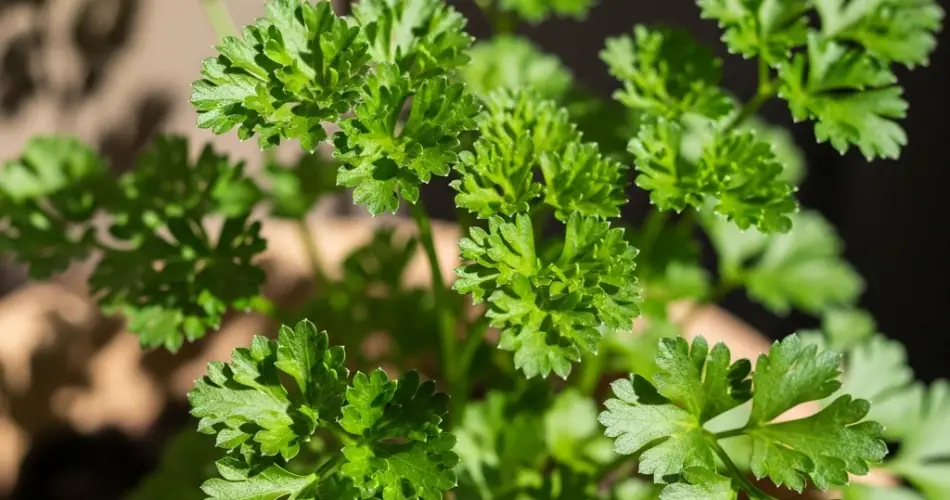
Parsley is more than just a garnish—it’s a versatile herb packed with flavor and nutrients. Whether you prefer the flat-leaf Italian variety or the curly type often used in decorative dishes, parsley is a great addition to your kitchen garden. And the best part? You don’t need any prior gardening experience to grow it from seed.
Germinating parsley at home may seem daunting, especially if you’ve never grown anything before. But with a few simple steps, a bit of patience, and the right conditions, you can start growing your own fresh parsley—even on a sunny windowsill.
Why Parsley Is a Great Herb for Beginners
Parsley is ideal for new gardeners because:
-
It doesn’t require a lot of space.
-
It grows well in containers or garden beds.
-
It’s fairly resistant to pests and diseases.
-
Fresh parsley is much more flavorful than the dried version.
However, parsley seeds are notoriously slow to germinate—sometimes taking 2 to 4 weeks. This slow start often discourages beginners. But with a little prep, you can dramatically improve germination rates and speed.
What You’ll Need
Before you begin, gather the following:
-
Parsley seeds (flat-leaf or curly)
-
Seed-starting mix (light and well-draining)
-
Seed trays or small containers with drainage holes
-
Plastic wrap or a humidity dome
-
A spray bottle for watering
-
A warm, bright location or a heating mat
Step 1: Soak the Seeds
Parsley seeds have a tough outer coating that slows down germination. To soften this shell and encourage faster sprouting, soak the seeds before planting.
How to soak:
-
Place the seeds in a bowl of warm water for 12–24 hours.
-
Drain and gently pat them dry before planting.
This step alone can reduce germination time by several days.
Step 2: Prepare the Containers
Choose small pots or seed trays with drainage holes. Fill them with moist seed-starting mix, which is lighter and drains better than regular potting soil.
Tips:
-
Avoid compacting the soil—keep it fluffy.
-
Make sure it’s moist but not soggy.
If you’re planting outdoors, wait until temperatures consistently stay above 50°F (10°C), as parsley prefers warmth to get started.
Step 3: Plant the Seeds
Plant parsley seeds about ¼ inch (0.6 cm) deep in the soil. You can sow several seeds in each container since not all will sprout.
After planting:
-
Lightly cover the seeds with soil.
-
Mist the surface with water using a spray bottle.
-
Cover the tray with plastic wrap or a humidity dome to retain warmth and moisture.
Label your containers if you’re growing multiple herbs to keep track of what’s planted where.
Step 4: Create the Right Environment
Parsley seeds germinate best in warm, moist, and stable conditions. If your indoor space is cool, consider using a seedling heat mat to maintain temperatures between 70–75°F (21–24°C).
Light needs:
-
While waiting for germination, light isn’t essential.
-
Once the seedlings sprout, move them to a bright windowsill or place them under a grow light for 12–14 hours daily.
Check daily to ensure the soil stays moist. If it dries out, mist it lightly. Do not overwater.
Step 5: Wait for Germination (and Be Patient)
Parsley seeds usually take 14 to 28 days to germinate. Some may sprout earlier, but don’t worry if you don’t see results right away.
Once the seedlings emerge:
-
Remove the plastic wrap or dome.
-
Water gently as needed, always keeping the soil moist but not soaked.
-
Thin out weaker seedlings so the strongest ones have room to grow.
Step 6: Transplant When Ready
Once the seedlings develop two sets of true leaves, they’re strong enough to be transplanted.
If growing indoors:
-
Move them into larger containers with rich potting mix.
-
Keep them near a sunny window or under grow lights.
If transplanting outdoors:
-
Harden them off first by gradually exposing them to outdoor conditions over 7–10 days.
-
Choose a sunny to partly shaded spot with well-draining soil.
Space the seedlings 6–8 inches apart for best growth.
Step 7: Maintain and Harvest
Parsley doesn’t need much care after germination, but consistent watering and occasional feeding will keep it lush.
Care tips:
-
Water when the top inch of soil feels dry.
-
Fertilize every 4–6 weeks with a balanced liquid fertilizer.
-
Remove yellowing leaves to encourage new growth.
To harvest:
-
Cut outer leaves at the base using clean scissors.
-
Leave inner stems to continue growing.
-
Regular harvesting encourages the plant to produce more leaves.
Troubleshooting Common Issues
-
Slow or no germination: Seeds may be old or not soaked. Try again with fresh seed and soak beforehand.
-
Leggy seedlings: Not enough light—move them to a brighter location.
-
Yellowing leaves: Could indicate overwatering or nutrient deficiency.
Final Thoughts
Growing parsley from seed is a rewarding project that even beginners can handle with confidence. While it requires a little patience during germination, the rest of the process is simple and low-maintenance. Once your plants mature, you’ll have a steady supply of fresh parsley for cooking, garnishing, and adding green vitality to your kitchen windowsill.
No garden? No problem. Parsley is happy in containers, makes a beautiful and fragrant houseplant, and gives you that satisfying feeling of growing your own food—no green thumb required.


