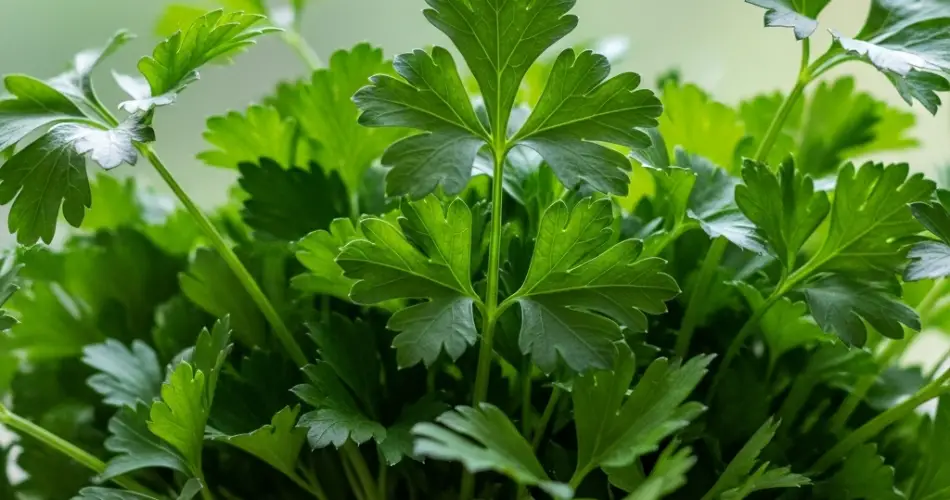
Parsley may be humble in appearance, but it’s a powerhouse herb that can instantly elevate your garden’s beauty and usefulness. Often underrated, parsley (Petroselinum crispum) is easy to grow, quick to mature, and versatile enough to be used in everything from culinary dishes to ornamental beds. Whether you want to enhance your cooking or simply add lush greenery to your space, parsley delivers fast and satisfying results.
This article walks you through how to grow parsley efficiently—so you can transform your garden and harvest fresh herbs in no time.
Why Parsley Deserves a Spot in Your Garden
Parsley is more than just a garnish. It’s rich in vitamins A, C, and K, supports digestion, and works well in a wide range of cuisines. In the garden, parsley acts as a beneficial companion plant that attracts pollinators like bees and deters certain pests, such as aphids and carrot flies.
Two main varieties are commonly grown:
-
Curly Leaf Parsley (P. crispum): Decorative and commonly used as a garnish.
-
Flat Leaf Parsley (Italian Parsley): Preferred for cooking due to its stronger flavor.
Whichever you choose, parsley brings texture, greenery, and a pop of vibrance to your beds, containers, or window boxes.
Step 1: Start With the Right Seeds or Seedlings
Parsley can be grown from seeds or store-bought seedlings. If using seeds, soak them in warm water for 12–24 hours before planting to improve germination. This speeds up the sprouting process significantly.
Sow the seeds directly in your garden or in containers:
-
Plant them about 1/4 inch deep.
-
Space them 6–8 inches apart.
-
Lightly cover with soil and water gently.
If you want faster results, start with seedlings, which can give you a head start of several weeks.
Step 2: Choose the Best Location
Parsley loves full sun to partial shade and grows well in both in-ground beds and containers. Ideal conditions include:
-
At least 4–6 hours of sunlight daily.
-
Well-draining soil rich in organic matter.
-
A pH level between 6.0 and 7.0.
If you’re planting in pots, ensure they’re at least 6 inches deep with drainage holes to prevent root rot.
Step 3: Water Consistently
To achieve lush, fast-growing parsley, consistent moisture is essential. The soil should be kept slightly moist but never soggy.
Tips for watering:
-
Water when the top inch of soil feels dry.
-
In hot weather, increase watering frequency.
-
Mulch around the base to retain moisture and suppress weeds.
Avoid letting the soil dry out completely, as this can lead to slower growth and poor leaf production.
Step 4: Feed Your Parsley
Fertilizing your parsley helps speed up leaf growth and enhances flavor. Use a balanced, organic fertilizer every 4–6 weeks.
Alternatively, compost or liquid seaweed solution can boost nutrients naturally. Avoid high-nitrogen fertilizers that may encourage excessive leaf growth with poor flavor.
Step 5: Harvest the Right Way
Harvesting parsley correctly not only keeps it healthy but encourages new growth for continuous production.
-
Start harvesting when the plant has at least 6 inches of growth.
-
Use scissors to snip stems at the base rather than pulling leaves.
-
Always take the outer, older stems first and allow inner shoots to mature.
Frequent harvesting leads to bushier, more productive plants and delays bolting (flowering).
Step 6: Troubleshooting and Common Issues
Parsley is relatively low-maintenance, but here are a few quick fixes if issues arise:
-
Yellow leaves: Likely caused by overwatering or poor drainage.
-
Slow growth: May be due to compacted soil or insufficient sunlight.
-
Pests: Watch for aphids or caterpillars. Use neem oil or introduce beneficial insects like ladybugs.
-
Bolting: High temperatures can trigger early flowering. Provide partial shade and keep plants well-watered.
Step 7: Extend the Season
While parsley is a biennial (it usually completes its life cycle in two years), many gardeners grow it as an annual due to bolting in the second year.
To extend your harvest:
-
Replant every 8–10 months.
-
Harvest regularly to slow flowering.
-
Grow successive batches for continuous supply.
In cooler climates, parsley can survive mild winters with a layer of mulch or row cover protection. You can also grow it indoors near a sunny window or under grow lights during colder months.
Final Thoughts
Parsley may seem like a small addition to your garden, but it packs a powerful punch in both flavor and function. With minimal effort and a few smart gardening habits, you can quickly transform your garden space and enjoy the rewards of fresh, fragrant parsley all season long.
Whether you’re planting it in rows, containers, or tucked between vegetables, parsley grows fast, looks beautiful, and contributes to a healthy, productive garden with ease.


