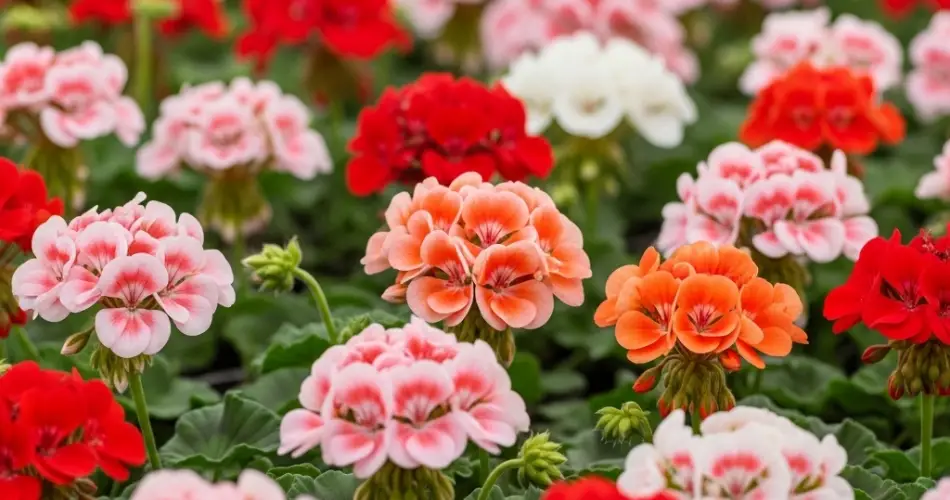
Geraniums are beloved for their vibrant blooms, fragrant leaves, and impressive resilience. Whether planted in containers, garden beds, or hanging baskets, these hardy flowering plants add color and charm to any outdoor space. Best of all, they’re surprisingly easy to grow and maintain, even for gardeners with minimal experience.
If you’re looking for a fuss-free plant to brighten your backyard, geraniums are an ideal choice. Here’s how to nurture them with zero hassle—from planting to flourishing blooms.
Why Choose Geraniums?
Geraniums (Pelargonium species) are well-suited for beginners and busy gardeners alike. They thrive in containers and garden beds, require only moderate watering, and reward you with a long season of beautiful flowers. With minimal care, they bloom from spring through fall, offering months of vibrant color.
They also repel certain pests like mosquitoes, making them a functional as well as beautiful choice for backyard spaces.
Step 1: Choosing the Right Type
There are several varieties of geraniums, each suited to different garden settings:
-
Zonal Geraniums: The most common variety, known for their upright habit and round, colorful blooms.
-
Ivy Geraniums: Trailing types perfect for hanging baskets or window boxes.
-
Scented Geraniums: Grown mainly for their aromatic leaves with scents like lemon, mint, and rose.
-
Regal Geraniums (Martha Washington): Producing large, showy flowers in cooler conditions.
Select a type that suits your space and climate. For backyard containers or flower beds, zonal geraniums are usually the easiest and most rewarding to grow.
Step 2: Planting Geraniums
You can start geraniums from seeds, but the easiest method is using nursery-grown transplants. These are already rooted and will establish more quickly.
Planting tips:
-
Choose a sunny spot in your backyard that receives at least 6 hours of direct sunlight per day.
-
If planting in containers, use pots with drainage holes.
-
Use a light, well-draining soil. A mix of garden soil and compost or a store-bought potting mix works well.
-
Space plants about 8–12 inches apart to allow airflow and prevent overcrowding.
After planting, water thoroughly to help roots settle into the soil.
Step 3: Watering and Feeding
Geraniums are drought-tolerant once established, but consistent watering is important—especially during the early growing stages and in hot weather.
Watering guidelines:
-
Water when the top inch of soil feels dry.
-
Avoid overwatering, which can cause root rot. Let the soil dry slightly between waterings.
-
Water at the base of the plant rather than overhead to reduce the risk of fungal disease.
Feeding tips:
-
Feed every 3–4 weeks with a balanced, water-soluble fertilizer.
-
For extra blooms, you can use a fertilizer slightly higher in phosphorus (look for a formula like 10-15-10).
Step 4: Pruning and Deadheading
To keep geraniums blooming all season and looking tidy, regular maintenance is minimal but helpful.
Deadheading is the process of removing faded blooms. Simply pinch or snip them off at the base of the flower stem. This encourages the plant to produce new flowers rather than putting energy into seed production.
Pruning helps shape the plant and prevent legginess:
-
Trim back overgrown stems or leggy growth.
-
Pinch off the tips of young stems to encourage bushier growth.
-
If needed, give your plant a light midseason trim to rejuvenate it.
Step 5: Dealing with Pests and Problems
Geraniums are relatively pest-resistant, but occasional issues may arise.
Common pests include:
-
Aphids
-
Whiteflies
-
Spider mites
Use neem oil or insecticidal soap if pests appear. Keep an eye out for yellowing leaves or sticky residue, which may indicate a pest problem.
Fungal diseases like powdery mildew or root rot usually stem from overwatering or poor air circulation. Space plants well, water at the base, and remove any infected leaves to prevent spread.
Step 6: End-of-Season Care
In regions with cold winters, geraniums won’t survive frost outdoors. But you can overwinter them easily:
-
In pots: Bring them indoors to a sunny window before the first frost.
-
In beds: Dig up healthy plants, trim back growth, and store them in a cool, dry place in paper bags or pots.
-
As cuttings: Take stem cuttings before winter, root them in water or moist soil, and grow new plants indoors.
Come spring, you’ll be ready to plant them outside again.
Final Thoughts
Geraniums are a classic choice for backyard beauty with very little effort required. By giving them sunlight, the right soil, occasional feeding, and a bit of trimming, you’ll enjoy months of continuous blooms with minimal fuss.
Whether planted in containers or garden beds, geraniums offer stunning visual appeal without the need for complicated gardening routines. With these simple steps, you can nurture healthy, thriving geraniums in your backyard—even if you’re short on time or experience.


