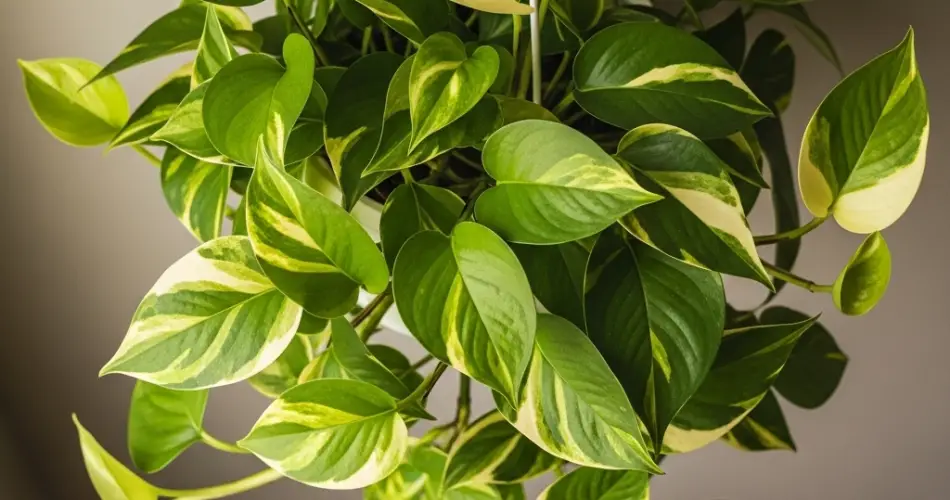
Pothos (Epipremnum aureum), also known as devil’s ivy, is one of the most popular and beginner-friendly houseplants. Known for its trailing vines and heart-shaped leaves, pothos thrives in a wide range of conditions and can easily be propagated from cuttings. However, growing pothos from seed—while uncommon—is a rewarding process that allows you to experience the full life cycle of this vibrant plant.
If you’re curious about starting pothos from seed and eager to accelerate the process, follow this practical, no-fuss guide to take your plant from seed to stunning in record time.
Why Grow Pothos from Seed?
While pothos is usually propagated by cuttings because of its reliability and speed, growing it from seed offers a different kind of satisfaction. Watching your plant develop from the very beginning creates a deeper connection with the process. It also gives you the opportunity to grow a large batch of plants at once, especially if you’re planning to fill multiple pots or decorate several rooms.
However, it’s important to note that finding viable pothos seeds can be a challenge. Most pothos grown indoors rarely flower or produce seeds. If you do find seeds—typically from specialty suppliers—they must be fresh, as older seeds tend to lose viability quickly.
Step 1: Prepare the Ideal Setup
To give your seeds the best chance of success, set up a warm, humid, and light-filled environment.
What you’ll need:
-
Fresh pothos seeds
-
Seedling tray or shallow containers
-
Clear plastic dome or plastic wrap
-
Heat mat (optional but helpful for faster germination)
-
Spray bottle for misting
-
Well-draining seed-starting mix (or mix your own with peat moss, perlite, and vermiculite)
Steps:
-
Fill the seed tray with your soil mix.
-
Lightly mist the surface to moisten the soil.
-
Press the seeds gently into the soil without burying them too deep (¼ inch is enough).
-
Cover with plastic wrap or a dome to maintain humidity.
-
Place in a warm, bright location—ideally at 75–85°F (24–29°C).
Germination can take 2 to 6 weeks. Keep the soil moist, not soaked, and mist daily to maintain humidity.
Step 2: Seedling Care and Transplanting
Once the seeds germinate and small leaves emerge, you’ll need to adjust the care routine.
Lighting:
Move seedlings to a spot with bright, indirect sunlight or under a grow light. Avoid direct sun, which can scorch tender leaves.
Watering:
Keep the soil evenly moist, allowing the top layer to dry slightly between waterings. Overwatering at this stage can lead to damping off, a common fungal disease in seedlings.
When the seedlings develop at least two sets of leaves and are sturdy enough to handle, transplant them into small individual pots using a lightweight potting mix rich in organic matter and well-draining components like perlite or coco coir.
Step 3: Encourage Rapid Growth
Now that your baby pothos is in its own container, it’s time to accelerate its development.
Fertilizer:
Feed every two weeks with a diluted balanced liquid fertilizer (like a 10-10-10 or 20-20-20 formula). This promotes healthy roots, leaves, and overall plant strength.
Light Conditions:
Pothos can tolerate low light, but they grow fastest in bright, indirect sunlight. If natural light is limited, supplement with grow lights for 10–12 hours a day.
Temperature and Humidity:
Maintain warm indoor temperatures and increase humidity with a pebble tray or humidifier. Ideal humidity levels range from 50–70%.
Training and Support:
As the vines grow, provide support like a moss pole or trellis if you want an upright look. Otherwise, let them trail from hanging baskets or shelves for a cascading effect.
Step 4: Maintenance and Troubleshooting
Pothos is incredibly low-maintenance, but a few regular practices help keep it healthy and vibrant.
Pruning:
Trim back leggy stems to encourage bushier growth. You can also prune to control length and style.
Pest Control:
Watch for common houseplant pests like spider mites or mealybugs. Wipe leaves with a damp cloth and treat with neem oil if needed.
Repotting:
Every 1–2 years, repot into a slightly larger container if roots start circling or poking out of drainage holes. Use fresh soil to refresh nutrients.
Final Thoughts
Growing pothos from seed is not the most common approach, but it’s absolutely possible—and rewarding—with the right care. While it takes more patience than cuttings, the results are satisfying and long-lasting. By providing the ideal conditions and responding quickly to your plant’s needs, you can take your pothos from a tiny seedling to a lush, stunning showpiece in record time.
Whether you’re a beginner or a seasoned indoor gardener, pothos offers the perfect mix of beauty, resilience, and ease. With this guide, you’ll not only raise a healthy plant—you’ll enjoy every step of the journey.


