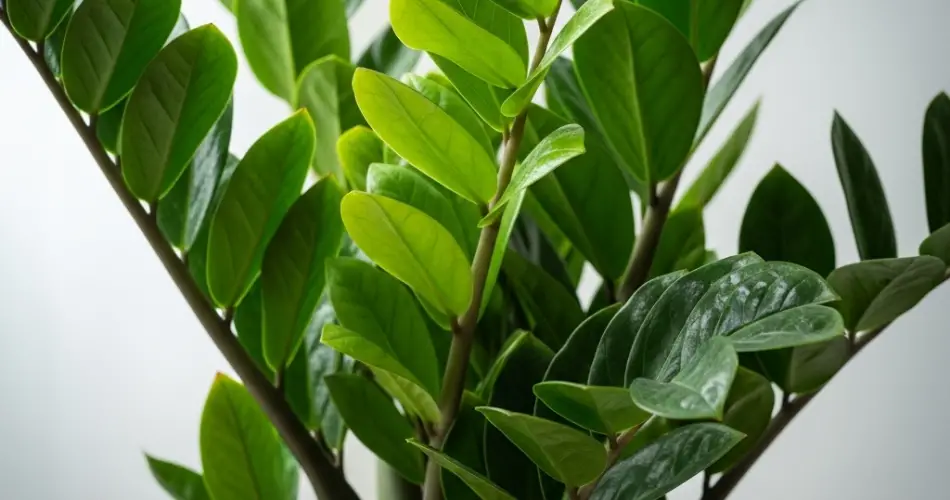
The ZZ plant (Zamioculcas zamiifolia), also known as the Zanzibar Gem, is celebrated for its glossy green leaves, low maintenance needs, and incredible durability. Perfect for beginners and busy plant lovers alike, this tropical beauty thrives in a variety of indoor conditions. But did you know you can actually encourage fuller growth, faster development, and even new shoots with the help of simple kitchen scraps?
That’s right—by pairing smart care practices with natural, homemade fertilization, you can maximize your ZZ plant’s yield with very little effort. Here’s how to do it.
Understanding the ZZ Plant’s Growth Habits
The ZZ plant grows from thick underground rhizomes that store water and nutrients. These rhizomes produce the vertical stems and leaflets you see above ground. To get your ZZ plant to grow faster or produce more shoots, you need to nourish those rhizomes and create an environment that supports healthy, steady development.
Since the ZZ plant is naturally slow-growing, even minor improvements in care can significantly boost its output.
Step 1: Use the Right Pot and Soil
Begin by ensuring your ZZ plant has an ideal foundation. The pot should:
-
Be slightly wider than the current root system, giving room for rhizome expansion.
-
Have proper drainage holes to prevent waterlogging.
As for soil, use a well-draining potting mix, such as:
-
A mix made for succulents or cacti.
-
Or blend regular potting soil with perlite or coarse sand in a 2:1 ratio.
Poorly drained soil can rot the rhizomes and severely stunt the plant’s growth.
Step 2: Light Matters More Than You Think
ZZ plants are famous for tolerating low light, but for maximum yield, place them in bright, indirect sunlight. A few hours near a filtered south- or east-facing window is perfect.
While direct sun may scorch the leaves, consistent brightness helps the plant photosynthesize more effectively—fueling growth and encouraging new shoots.
Step 3: Kitchen Scraps as Natural Fertilizer
One of the most eco-friendly and effective ways to enhance ZZ plant growth is using kitchen scraps to create a gentle, nutrient-rich fertilizer. The key is to avoid heavy or acidic waste and focus on mild, organic matter that benefits the soil without overwhelming the plant.
Here are a few ideal options:
1. Banana Peel Water
Banana peels are rich in potassium and phosphorus, which promote root health and strong stems.
How to use:
-
Soak chopped banana peel in water for 24–48 hours.
-
Use the water to irrigate your ZZ plant once a month.
2. Used Coffee Grounds
When used in moderation, dried coffee grounds can improve soil texture and offer a nitrogen boost.
How to use:
-
Dry thoroughly and sprinkle a small amount on top of the soil.
-
Mix gently into the upper layer.
Avoid adding too much to prevent acidity buildup.
3. Crushed Eggshells
Eggshells provide calcium, which strengthens plant cell walls.
How to use:
-
Rinse and dry the shells.
-
Crush into a fine powder and blend into the topsoil.
These scraps not only enrich the soil but also reduce kitchen waste—a win for you and the environment.
Step 4: Water Smartly
Overwatering is one of the biggest dangers to ZZ plants. Always let the soil dry out between waterings.
Watering tips:
-
Use your finger to test moisture 2 inches below the surface.
-
Water thoroughly only when the soil is completely dry.
During the winter months, reduce watering frequency, as the plant enters a semi-dormant state.
Step 5: Repot and Divide for Propagation
If your ZZ plant is healthy and outgrows its pot, repotting gives it room to expand. You can also divide the rhizomes to multiply your plant.
How to divide:
-
Gently remove the plant from its pot.
-
Separate the rhizomes by hand or with a clean knife, ensuring each has roots and stems.
-
Replant in fresh soil and water lightly.
This not only rejuvenates the original plant but also gives you new ZZ plants to grow or share.
Step 6: Keep Leaves Clean and Pests Away
Dust can accumulate on ZZ plant leaves, reducing their ability to absorb light. Wipe them gently with a damp cloth every few weeks.
Also check occasionally for pests like spider mites or mealybugs. A quick spray with diluted neem oil helps deter infestations naturally.
Final Thoughts
Growing a lush, productive ZZ plant doesn’t require fancy tools or expensive fertilizers. With the help of smart lighting, minimal watering, and some well-chosen kitchen scraps, you can encourage your plant to thrive and multiply faster than ever.
This low-maintenance indoor gem is more than just a pretty face—it’s a resilient, rewarding plant that responds wonderfully to natural care. So next time you’re about to toss that banana peel or eggshell, think again. Your ZZ plant might thank you with fresh, new growth.


