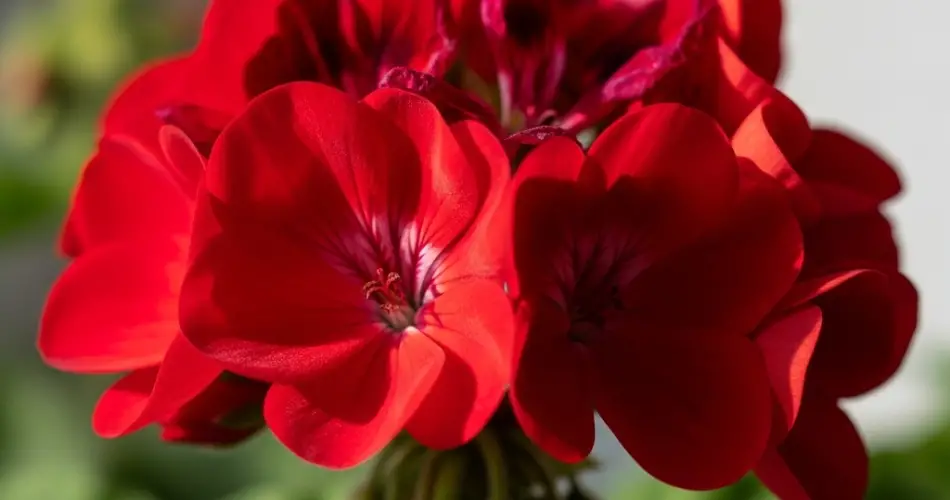
Geraniums are one of the most beloved garden flowers, known for their vibrant blooms, versatility, and ease of care. Whether you’re growing them in pots, window boxes, or flower beds, starting geraniums from seed offers a rewarding and economical way to cultivate stunning plants. With the right approach, even beginner gardeners can go from seed to abundant blooms faster than expected.
To get the best results, it’s essential to start with quality seeds, use the proper growing techniques, and provide consistent care. Here’s a complete guide to maximizing your geranium yield from seed to full bloom—quickly and successfully.
Step 1: Choosing the Right Seeds
To set yourself up for success, start with high-quality, disease-resistant geranium seeds. Look for varieties that are bred for compact growth and prolific flowering. Common types include:
-
Zonal geraniums (Pelargonium x hortorum) – ideal for garden beds and containers
-
Ivy-leaved geraniums (Pelargonium peltatum) – perfect for hanging baskets
-
Regal or Martha Washington geraniums – suited for cooler climates and indoor growing
Buy fresh seeds from a reputable supplier to ensure high germination rates.
Step 2: Start Seeds Indoors Early
Geranium seeds are slow to germinate and grow, so it’s best to start them indoors 12 to 16 weeks before the last frost in your region. Follow these steps for optimal germination:
-
Use a seed-starting mix that’s lightweight and drains well.
-
Fill trays or small pots and moisten the mix before sowing.
-
Plant seeds 1/8 inch deep and gently press them into the soil.
-
Cover with a clear dome or plastic wrap to retain humidity.
-
Place the tray in a warm spot (70–75°F or 21–24°C) with bright, indirect light.
Germination usually takes 7 to 14 days, so be patient. Once seedlings emerge, remove the cover and place them under grow lights or on a sunny windowsill.
Step 3: Transplant with Care
When your seedlings have developed two sets of true leaves, it’s time to transplant them into larger containers:
-
Use a well-draining potting mix with a little compost or slow-release fertilizer.
-
Gently transplant the seedlings, being careful not to damage the roots.
-
Place the transplants in a bright location with 6–8 hours of sunlight per day or use grow lights if natural light is limited.
As the plants grow, rotate them regularly to prevent leaning and promote balanced growth.
Step 4: Pinch for Bushier Growth
To encourage a full, bushy plant with more blooms, pinch the growing tips when the plants are about 4–6 inches tall. This simple technique involves removing the top inch of new growth, which stimulates branching and results in more flower-producing stems.
Repeat this process every few weeks until the plants reach their desired shape and size.
Step 5: Move Outdoors Gradually
Once the danger of frost has passed and your geraniums are sturdy and established, harden them off before moving them outdoors. This means gradually exposing them to outdoor conditions over 7–10 days:
-
Start with a couple of hours in a shaded spot.
-
Slowly increase sunlight and time outdoors each day.
After this adjustment period, plant them in containers, garden beds, or hanging baskets with well-drained soil.
Step 6: Provide Ideal Growing Conditions
To maximize your geranium yield, focus on these essential care tips:
-
Sunlight: Geraniums thrive in full sun (at least 6 hours daily), though they benefit from afternoon shade in very hot climates.
-
Soil: Use rich, well-draining soil. Avoid soggy conditions that can lead to root rot.
-
Watering: Water when the top inch of soil feels dry. Do not overwater.
-
Feeding: Apply a balanced liquid fertilizer (10-10-10) every 2–3 weeks during the growing season to fuel blooming.
-
Deadheading: Regularly remove faded flowers to redirect energy into producing more blooms.
Step 7: Monitor for Pests and Diseases
Healthy geraniums are generally pest-resistant, but keep an eye out for:
-
Aphids
-
Whiteflies
-
Spider mites
Treat infestations early with insecticidal soap or neem oil. Also, watch for signs of fungal diseases such as botrytis or powdery mildew, especially in humid conditions. Provide good airflow and avoid overhead watering to reduce risk.
Step 8: Extend the Blooming Season
To keep your geraniums blooming longer:
-
Remove spent flower heads regularly.
-
Avoid stress from drought or overwatering.
-
Continue feeding and pruning lightly into late summer.
In cooler regions, you can bring potted geraniums indoors before the first frost to extend their life. With proper light and warmth, they’ll continue to bloom indoors or go dormant and bounce back in spring.
Final Thoughts
Growing geraniums from seed may seem slow at first, but with the right techniques, you can go from sowing to stunning in record time. These vibrant flowers reward careful attention with months of continuous color, making them a top choice for both beginner and seasoned gardeners.
Whether on a sunny balcony, patio, or garden bed, your geraniums can flourish with minimal fuss—yielding vibrant blooms that brighten up any space.


