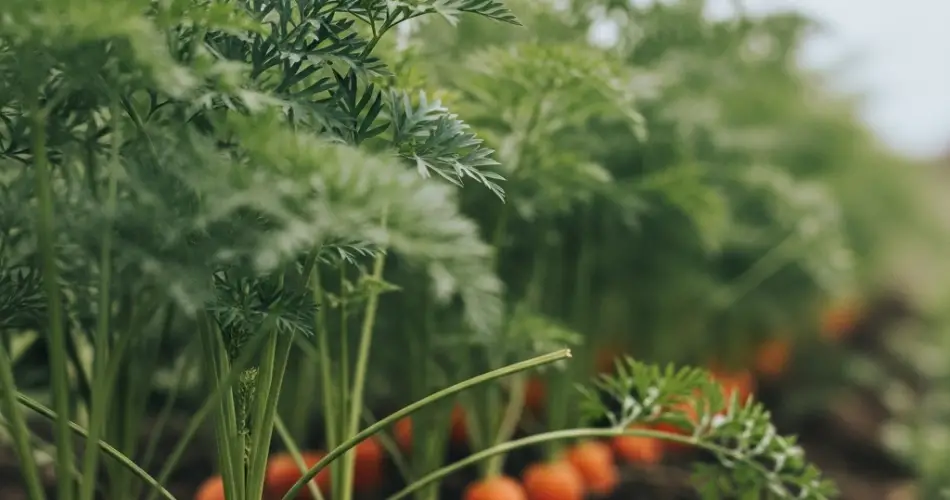
Carrots are a staple in the home garden—valued for their sweet, crunchy roots and vibrant green tops. But beyond their culinary use, carrots (Daucus carota) have another hidden gem: their flowers. With proper timing and harvesting techniques, you can enjoy delicate, lace-like blooms that add ornamental beauty to your garden or floral arrangements.
Whether you’re growing carrots for food, flowers, or seed-saving, understanding how and when to harvest is essential. With a little knowledge, you can enjoy both bountiful roots and stunning blooms throughout the seasons.
Understanding the Carrot Life Cycle
To harvest carrots with blooms in mind, it’s important to understand their growth cycle. Carrots are biennial plants, meaning they grow roots and foliage in the first year and flower in the second year—if not harvested too early.
-
Year 1: The plant focuses on developing a large, edible root.
-
Year 2: If left in the ground over winter (or stored and replanted), the plant sends up a tall stalk and blooms with umbrella-shaped white flowers, often called “Queen Anne’s lace.”
To harvest carrots for blooms, you’ll want to allow some of your crop to complete their second year.
Choosing the Right Variety
While any carrot variety will eventually flower if left long enough, some are better suited for ornamental or seed production. Look for heirloom varieties or those specifically bred for open-pollination. These include:
-
‘St. Valery’
-
‘Danvers 126’
-
‘Chantenay’
-
Wild carrot (Daucus carota var. carota), which closely resembles Queen Anne’s lace
Avoid hybrid varieties if you plan to save seeds, as their flowers may produce unpredictable offspring.
Preparing for Blooms: Letting Carrots Bolt
To enjoy carrot flowers, you’ll need to let selected plants “bolt,” or go to seed. This typically happens in the second year of growth.
How to encourage blooming:
-
In cooler climates, leave mature carrots in the ground over winter and mulch heavily.
-
Alternatively, harvest the roots in late fall, store them in a cool, dark place, and replant in early spring.
-
Warmer regions may see blooming without this overwintering phase.
Once temperatures warm up and days lengthen, the plant will send up a tall flower stalk and form large, lacy blooms.
How to Harvest Carrots for Both Roots and Blooms
If you want the best of both worlds—tasty carrots and beautiful blooms—follow this strategy:
1. Harvest Edible Roots Selectively
Pull the majority of your carrots when they reach full maturity (about 60–80 days after planting). Look for:
-
A strong, healthy green top
-
A visible crown poking just above the soil
-
A firm root when gently tugged
Harvest these for eating, but leave the healthiest, best-shaped carrots in the ground for blooming.
2. Mark Blooming Candidates
Choose 2–3 of your strongest plants to leave in the garden for flowering. These will overwinter or remain in place and send up flower stalks in spring.
Mulch around the crown to protect from frost if needed. Carrots that survive the winter will bloom profusely when conditions are right.
Encouraging Year-Round Blooms
While carrots bloom naturally in their second year, you can stagger your planting and flowering cycles to enjoy blossoms more often:
-
Succession planting: Plant carrots every few weeks from early spring to mid-summer to have roots at different stages of maturity.
-
Overwintering in batches: Store some roots and replant at different times in spring to spread out the bloom periods.
Keep in mind: carrot blooms won’t happen year-round in most climates, but with strategic timing, you can enjoy continuous flower displays across the warmer months.
Benefits of Carrot Flowers
Carrot flowers aren’t just pretty—they’re also functional:
-
Pollinator-friendly: Their umbrella-shaped blooms attract bees, hoverflies, and other beneficial insects.
-
Seed-saving: If you’re growing heirloom carrots, harvesting seeds from flowers helps preserve your favorite varieties.
-
Cut flower appeal: Carrot blooms resemble Queen Anne’s lace and look beautiful in rustic floral arrangements.
Letting a few carrots flower also adds a whimsical, cottage-garden look to your veggie beds.
Caring for Blooming Carrots
Once your carrots send up flower stalks:
-
Support tall stems with stakes or grow them near supportive plants.
-
Water moderately, avoiding soggy soil.
-
Deadhead spent blooms if you want prolonged flowering (unless you’re collecting seeds).
Be aware that once carrots flower, the root becomes woody and inedible. At this stage, the plant is dedicated to seed production and no longer suitable for culinary use.
Final Thoughts
Harvesting carrots with blooming in mind brings new purpose to a classic crop. While traditionally grown for their roots, carrots can also delight with soft, intricate flowers that enhance your garden’s visual appeal.
With a little planning—allowing some plants to mature fully, overwintering roots, and supporting the flower stalks—you can enjoy the delicate beauty of carrot blooms from spring through fall. Whether you’re creating bouquets, attracting pollinators, or saving seeds, flowering carrots add a new dimension to your home garden.


