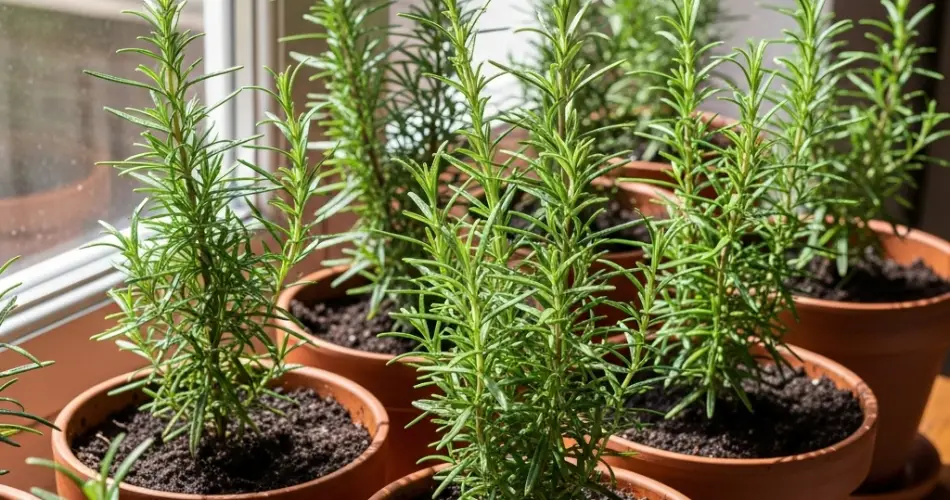
Rosemary (Rosmarinus officinalis) is one of the most beloved herbs in the kitchen and the garden. Its piney aroma and robust flavor make it ideal for everything from roasted vegetables to fresh-baked focaccia. The great news? You don’t need a sprawling garden or raised beds to grow it. With the right conditions, rosemary thrives beautifully in containers right on your sunny windowsill—and can provide fresh sprigs year-round.
If you love cooking or simply enjoy the fresh scent of herbs indoors, here’s how to successfully grow and harvest rosemary in containers for a steady supply without harming the plant.
Why Grow Rosemary in Containers?
Rosemary is a Mediterranean herb that loves sun and excellent drainage, which makes containers a perfect solution. Container growing allows better control over soil quality, drainage, and positioning—especially important if you live in a small space like an apartment or don’t have outdoor garden access.
Some of the key benefits of growing rosemary in containers include:
-
Easy access for daily culinary use
-
Protection from extreme weather conditions
-
Controlled watering and soil health
-
Minimal space required—just a sunny window!
Choosing the Right Container
Start with a pot that’s at least 6–8 inches deep with a diameter of 8–12 inches. Rosemary develops a fairly deep root system, so the container should offer ample space.
Ensure the pot has good drainage holes. Rosemary does not tolerate soggy roots, so drainage is non-negotiable. You can also place a layer of gravel or broken clay at the bottom of the pot to further improve drainage.
For added convenience, consider terracotta pots—they breathe better and prevent soil from staying overly moist.
The Ideal Soil Mix
Rosemary needs well-draining, light soil. Avoid moisture-retaining potting mixes. Instead, use:
-
Cactus or succulent potting mix
-
Or mix regular potting soil with sand or perlite in a 2:1 ratio
This will replicate the dry, rocky soil rosemary naturally grows in.
Light and Placement
The more sunlight rosemary gets, the better. Place your container in a south-facing window where it can receive at least 6–8 hours of direct sunlight per day.
If sunlight is limited, you can supplement with a grow light to ensure consistent growth, especially in winter.
Turn the pot every few days so all sides of the plant receive equal sunlight exposure, which helps maintain a balanced shape and even foliage.
Watering Wisely
Rosemary likes to dry out between waterings. Stick your finger into the soil—only water when the top inch is dry. Overwatering is the most common mistake and can lead to root rot.
When you do water, make sure the pot drains completely. Empty the saucer if water collects, as the roots should never sit in standing water.
During cooler months or periods of less sunlight, reduce watering frequency even more.
Fertilizing for Healthy Growth
Rosemary doesn’t need heavy feeding, but occasional fertilization encourages lush, fragrant growth.
Apply a balanced, water-soluble fertilizer (such as 10-10-10) diluted to half strength once a month during the growing season (spring to early fall). Avoid over-fertilizing, which can lead to lanky growth and loss of flavor.
Harvesting Rosemary the Right Way
Once your rosemary plant is 6–8 inches tall and has become established, you can begin harvesting. To keep the plant healthy while encouraging continued growth, follow these tips:
-
Use clean scissors or pruning shears to snip the top 2–3 inches of each sprig.
-
Always harvest from the top, not the base, to encourage branching.
-
Avoid taking more than one-third of the plant at a time to prevent stress.
-
Harvest in the morning when the oils are most concentrated, especially if you’re using the herb fresh in cooking.
Encouraging Bushier Growth
To keep rosemary compact and productive:
-
Regularly pinch or trim the tips of the stems.
-
Avoid letting the plant flower—once rosemary starts to flower, its energy goes into reproduction rather than foliage growth. If flowers appear, you can pinch them off unless you’re saving seeds.
Frequent, light harvesting naturally encourages bushier, more aromatic growth.
Winter Care and Year-Round Maintenance
If your windowsill gets cold or drafty in winter, move the plant away from glass panes at night or use insulating curtains. Keep watering minimal and ensure it’s still getting as much light as possible.
In spring, you may want to refresh the top layer of soil, or completely repot the rosemary with new soil to invigorate its growth. If roots are circling the pot or coming through the drainage holes, it’s time to move to a larger container.
Final Thoughts
Growing rosemary in a container on your windowsill is not only rewarding but also highly practical. With the right soil, consistent sunlight, and proper care, your rosemary plant can thrive for years—providing you with an endless supply of fragrant sprigs for cooking, teas, or homemade oils.
By harvesting strategically and encouraging healthy growth, you can maximize your yield without stepping foot outside your kitchen. Perfect for apartment dwellers and herb lovers alike.


