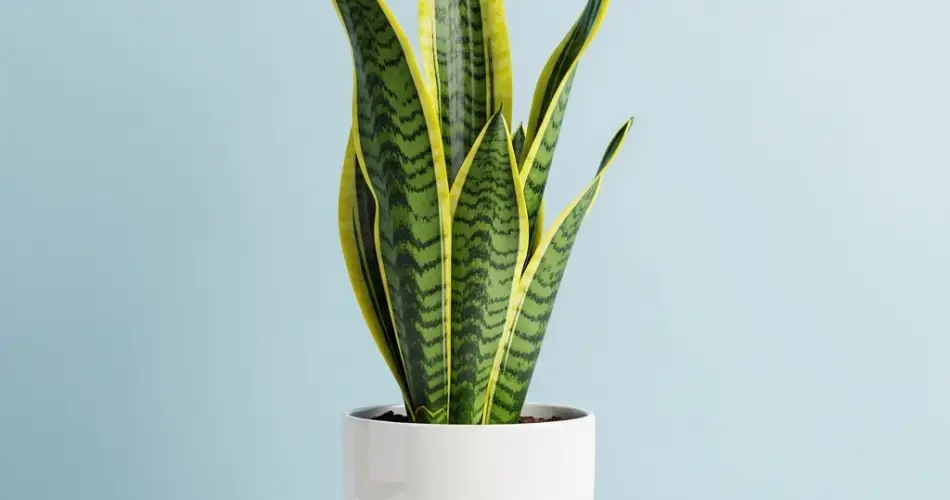
Snake plants, also known as Sansevieria or Dracaena trifasciata, are popular for their elegant, sword-shaped leaves and their remarkable ability to thrive on neglect. While many people grow them simply for their looks or air-purifying qualities, few realize that—with the right care—you can actually encourage your snake plant to produce new shoots (also called pups) faster and in greater numbers.
Whether you’re growing them for decorative use, propagation, or to fill your indoor garden with more greenery, here’s how to maximize your snake plant’s yield and speed up its growth with simple yet effective techniques.
Understand the Growth Habit of Snake Plants
To increase yield, you first need to understand how snake plants grow. Unlike fast-spreading vines or bushy herbs, snake plants grow from underground stems known as rhizomes. These rhizomes produce new leaves and pups, usually when conditions are just right.
Growth can be slow if the plant is pot-bound, stressed, or placed in low light. However, by making a few strategic adjustments, you can encourage your snake plant to multiply faster and look fuller and healthier.
1. Choose the Right Pot and Soil
A common mistake is keeping snake plants in containers that are too small or have poor drainage. To encourage more offshoots:
-
Use a slightly wider pot to give rhizomes space to spread.
-
Choose pots with drainage holes to prevent root rot.
-
Use a well-draining soil mix, ideally a blend designed for succulents or cacti.
Avoid heavy garden soil or moisture-retentive potting mixes, as snake plants are very sensitive to waterlogged roots.
2. Give Your Snake Plant Enough Light
Although snake plants tolerate low-light environments, they grow faster and yield more when placed in bright, indirect sunlight. A few hours of morning sun or diffused light through a curtain can make a big difference.
If you’re growing your plant in a dark room, consider moving it closer to a bright window or using a grow light during winter or in shady apartments. This will encourage the plant to produce more energy and send up new leaves and shoots more often.
3. Water Strategically (But Not Too Much)
Snake plants are drought-tolerant and prefer drying out between waterings. Overwatering can cause root rot, which will severely stunt growth or kill the plant altogether.
To maximize healthy growth:
-
Water only when the top 2–3 inches of soil are dry.
-
Reduce watering during winter when the plant’s growth naturally slows.
-
Use filtered or rainwater if your tap water is high in salts or chlorine.
Let the pot drain thoroughly after watering—never let the plant sit in standing water.
4. Feed Your Plant for Faster Results
Although snake plants don’t need much fertilizer, a little feeding during the growing season (spring through early fall) can significantly boost growth and pup production.
Use a balanced, diluted liquid fertilizer (like 10-10-10 or 20-20-20) every 4–6 weeks. Alternatively, a slow-release granular fertilizer applied at the beginning of spring can provide steady nutrients over time.
Avoid overfertilizing, which can lead to leaf damage or root burn. Always follow label instructions.
5. Encourage Offshoots by Dividing and Repotting
Once your snake plant matures and becomes root-bound, it may slow down growth. Repotting the plant every 2–3 years not only gives the roots more space but also encourages the plant to send out more pups.
When repotting:
-
Gently separate the plant into sections, ensuring each division has roots and leaves.
-
Replant each section in its own pot with fresh soil.
-
Water lightly after planting and allow the plant to adjust for a few days in a shaded spot before returning it to bright light.
This division technique also allows you to propagate and expand your collection or gift healthy snake plants to others.
6. Maintain Ideal Temperature and Humidity
Snake plants prefer warm temperatures between 60°F and 85°F (15°C to 29°C). They don’t like cold drafts or temperatures below 50°F (10°C). Keep them away from windowsills during the winter or use thermal curtains to buffer temperature changes.
While they can tolerate dry indoor air, a bit of extra humidity during the warmer months can encourage faster growth. Mist occasionally or group with other houseplants to increase ambient humidity.
7. Prune for Health and Aesthetics
If your snake plant has damaged, discolored, or drooping leaves, remove them at the base using a clean, sharp knife or scissors. This not only improves the plant’s appearance but also redirects energy toward new growth.
Occasional pruning also helps stimulate the plant to produce fresh shoots and maintain a compact, bushier appearance.
Final Thoughts
Growing a thriving, productive snake plant is easier than you might think. With the right container, proper lighting, strategic watering, and occasional feeding, your plant will reward you with healthy new leaves and abundant offshoots faster than ever before.
By giving your snake plant just a little extra attention, you can turn one plant into many and enjoy the benefits of cleaner air and vibrant greenery throughout your home.


