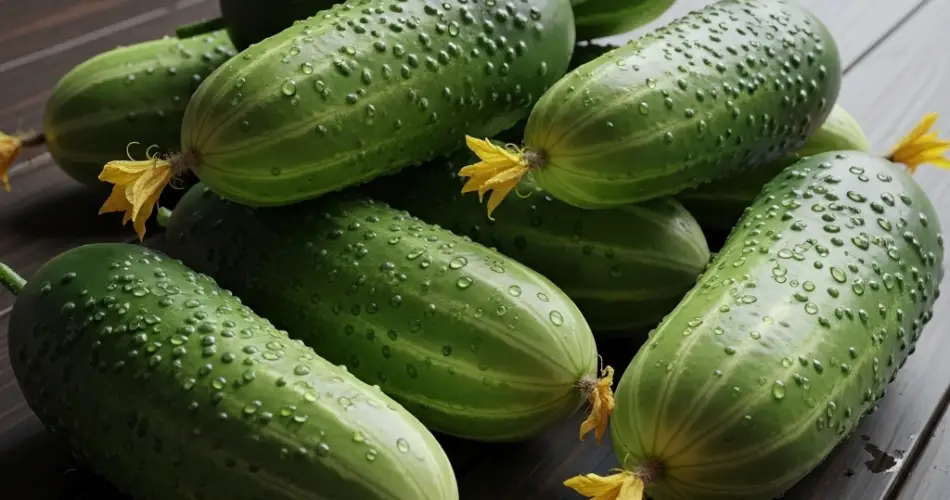
Cucumbers are one of the most rewarding vegetables to grow in a home garden. With their crisp texture and refreshing taste, they’re a summer staple in salads, pickles, and cold drinks. The best part? You can grow them from seed to harvest quickly, often within 50–70 days. With just a little planning and care, you can enjoy a bountiful cucumber harvest—even if you’re new to gardening.
Here’s how to take cucumbers from seed to stunning in record time, and get the highest possible yield from each plant.
1. Start with the Right Variety
Cucumbers come in several types, each suited to different growing conditions and uses. To maximize yield, choose a variety that matches your goals and climate:
-
Slicing cucumbers: Great for fresh eating. Look for fast-growing hybrids like ‘Marketmore’ or ‘Straight Eight.’
-
Pickling cucumbers: Smaller and crunchier, perfect for preserving. Varieties like ‘Boston Pickling’ or ‘Calypso’ are reliable and productive.
-
Bush varieties: Ideal for small spaces or container gardening. Try ‘Bush Champion’ for good yields in limited areas.
-
Vining types: These produce heavily and benefit from vertical growing.
2. Sow Seeds in the Right Conditions
Cucumbers love warmth and grow best when soil temperatures are consistently above 70°F (21°C). If starting outdoors, wait until after the last frost and the soil has warmed. For a head start, sow seeds indoors 2–4 weeks before your last expected frost date.
-
Sow seeds ½ inch deep in seed trays or directly in the ground.
-
Keep the soil moist and warm—use a heat mat for indoor sowing if needed.
-
Germination usually takes 3–10 days.
3. Transplant Carefully for Best Growth
If starting seeds indoors, transplant seedlings once they have two to three sets of true leaves and temperatures are consistently warm.
-
Harden them off by gradually introducing them to outdoor conditions over a week.
-
Space plants 12–18 inches apart if growing in rows, or grow vertically to save space.
Avoid disturbing the roots during transplanting, as cucumbers are sensitive to transplant shock.
4. Choose a Sunny, Fertile Location
Cucumbers require full sun—at least 6–8 hours a day—to thrive and produce abundantly. Choose a spot with well-drained, fertile soil rich in organic matter.
-
Mix compost or aged manure into the soil before planting.
-
The ideal soil pH is 6.0 to 6.8.
Well-fed soil encourages rapid vine growth and strong flowering, both of which lead to higher yields.
5. Water Consistently and Deeply
Cucumbers have shallow roots and need consistent moisture to avoid bitterness and promote even growth. Water deeply at the base of the plant once or twice a week, more frequently in dry or hot conditions.
-
Use mulch to retain moisture and prevent soil from drying out.
-
Avoid wetting the leaves to reduce disease risk.
Irregular watering can cause fruits to become misshapen or bitter, so a steady schedule is key.
6. Train Vines Vertically to Save Space and Boost Yield
Training cucumbers to grow vertically on a trellis not only saves garden space but also improves air circulation, reduces disease, and makes harvesting easier.
-
Support vines with netting, fencing, or wooden stakes.
-
Tie growing stems gently to the support as they grow.
This method can lead to cleaner fruit and higher production per square foot.
7. Feed Regularly for Vigorous Growth
Cucumbers are heavy feeders. After planting, feed them every 2–3 weeks with a balanced fertilizer (such as 10-10-10) or a high-potassium liquid feed.
-
During flowering and fruiting, switch to a fertilizer with slightly more phosphorus and potassium to support fruit development.
-
Organic options like compost tea or fish emulsion are also effective and gentle.
8. Pollination: Help Nature Along
Cucumbers need pollination to set fruit. While bees and pollinators usually take care of this, you can give nature a hand:
-
Gently transfer pollen from male to female flowers using a small brush or cotton swab.
-
Female flowers are easy to identify—they have a small swelling at the base that becomes the cucumber.
Improving pollination leads to more fruit and fuller harvests.
9. Harvest Frequently and Correctly
Frequent harvesting encourages the plant to produce more. Don’t wait too long—overripe cucumbers become seedy, tough, and reduce new flower production.
-
Pick cucumbers when they are firm and the ideal size for the variety.
-
Use scissors or garden shears to avoid damaging the vine.
Check the plants daily during peak season—some varieties grow very quickly and can double in size overnight.
10. Extend the Season with Succession Planting
To keep cucumbers coming, try succession planting every 2–3 weeks during the growing season. This ensures fresh plants take over as older ones slow down.
In warm climates, you can get two or more full harvests in one season. In cooler regions, use row covers or cold frames to get a jumpstart in spring or extend into fall.
Final Thoughts
With the right care, cucumbers can grow rapidly from seed to harvest and provide impressive yields in just a few short weeks. By selecting the right variety, maintaining consistent moisture, and feeding regularly, you’ll ensure your plants are healthy, productive, and delicious. Whether you’re growing in a backyard, raised bed, or even containers on a sunny balcony, cucumbers can reward you with a generous, flavorful harvest—fast.


