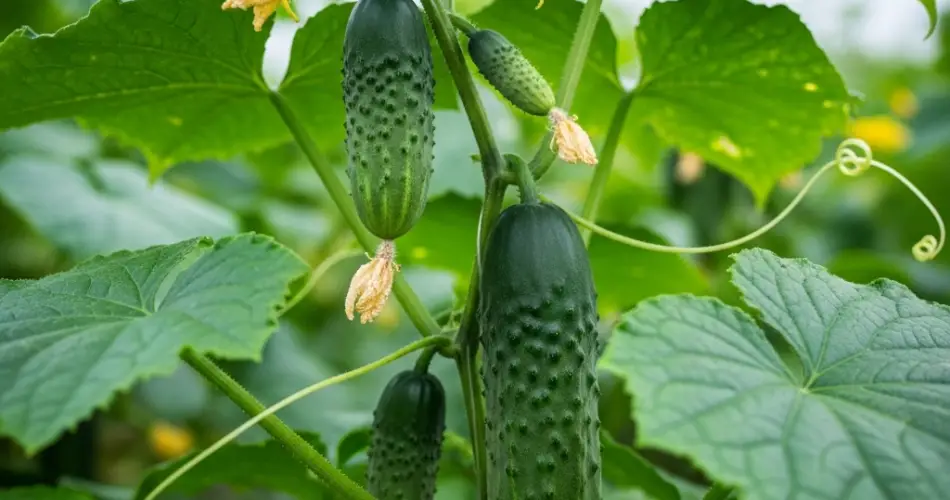
Growing your own cucumbers at home might seem intimidating if you’ve never gardened before, but it’s easier than you think. With the right setup and a bit of consistent care, even complete beginners can enjoy fresh, crisp cucumbers grown right in a backyard, balcony, or sunny windowsill. Cucumbers are fast-growing, productive, and incredibly rewarding—and they don’t require a green thumb to succeed.
Whether you’re looking to add something healthy to your meals or simply want the satisfaction of homegrown produce, this guide will walk you through how to grow cucumbers from scratch—no experience necessary.
Why Choose Cucumbers?
Cucumbers (Cucumis sativus) are a great starter vegetable for new gardeners. They grow quickly, produce abundantly, and can thrive in the ground, containers, or even vertical spaces. Their cooling, crunchy texture makes them a favorite for salads, sandwiches, juices, and pickling.
More importantly, cucumbers are forgiving. As long as they get enough warmth, sunlight, and water, they’ll grow steadily and provide a generous harvest.
Step 1: Choose the Right Variety
There are two main types of cucumbers:
-
Slicing cucumbers: Ideal for fresh eating. These are long and smooth-skinned.
-
Pickling cucumbers: Shorter and bumpier, best for making pickles.
For beginners, bush varieties or compact vining types are ideal, especially for growing in containers or small spaces. Look for varieties labeled “container-friendly” or “patio.”
Step 2: Pick a Sunny Spot
Cucumbers love sunlight. To thrive, they need at least 6–8 hours of direct sunlight each day.
-
Outdoors: Choose a sunny spot in the garden or balcony.
-
Indoors: Use a sunny windowsill or supplement with a grow light if sunlight is limited.
The more light they receive, the healthier and more productive your plants will be.
Step 3: Prepare the Soil or Container
Cucumbers prefer well-draining, nutrient-rich soil. The soil should be loose and slightly acidic to neutral (pH 6.0–7.0).
If you’re using a container:
-
Choose one at least 12 inches deep and wide.
-
Ensure it has drainage holes.
-
Fill it with a high-quality potting mix, ideally one enriched with compost.
You can also add a handful of slow-release fertilizer to support early growth.
Step 4: Plant the Seeds or Seedlings
Cucumbers can be grown from seed or transplanted as young seedlings.
From seed:
-
Sow seeds ½ inch deep.
-
Water gently and keep the soil moist.
-
Expect germination within 7–10 days in warm temperatures (above 65°F / 18°C).
From seedlings:
-
Transplant carefully without disturbing the roots.
-
Water immediately after planting.
Space plants about 12–18 inches apart if growing multiple.
Step 5: Support Their Growth
Cucumbers grow as vines and need support to stay healthy and save space.
-
Use a small trellis, stake, or cage to train them upward.
-
This helps improve airflow, reduce pests, and makes harvesting easier.
Bush varieties may not need support, but most vines benefit greatly from vertical training.
Step 6: Water and Feed Regularly
Cucumbers need consistent moisture—dry soil can cause bitter fruit or poor growth.
-
Water deeply 2–3 times a week, more often in hot weather.
-
Avoid overhead watering; aim for the base of the plant to prevent mildew.
-
Mulch around the base to retain moisture and control weeds.
Feed every 2–3 weeks with a balanced, water-soluble fertilizer or compost tea to boost flowering and fruit development.
Step 7: Watch for Pests and Problems
Common cucumber issues include:
-
Powdery mildew: A white coating on leaves, caused by high humidity. Improve airflow and avoid wetting leaves.
-
Aphids or cucumber beetles: Small pests that can damage leaves. Remove by hand or spray with neem oil.
-
Yellowing leaves: May indicate overwatering or nutrient deficiency.
Catch problems early, and your cucumbers will keep producing happily.
Step 8: Harvesting Your Cucumbers
Harvest time depends on the variety, but most cucumbers are ready 50–70 days after planting.
-
Pick when they are firm, green, and about 6–8 inches long (for slicing types).
-
Don’t wait too long—overripe cucumbers can become bitter and seed-heavy.
-
Use clean scissors or a knife to cut cucumbers from the vine; don’t twist or pull.
The more frequently you harvest, the more your plant will produce.
Bonus Tips for First-Time Success
-
Start small: One or two plants can yield plenty of cucumbers for a household.
-
Label your plants: Especially helpful if you’re trying multiple varieties.
-
Keep a gardening journal: Jot down what works, when you planted, and your harvest results.
-
Try succession planting: Start a new plant every few weeks for an extended harvest season.
Final Thoughts
You don’t need a green thumb or a backyard to grow cucumbers successfully. With just sunlight, water, and a bit of patience, you can enjoy crisp, refreshing cucumbers grown by your own hands. Starting from scratch is no longer a barrier—it’s an invitation to experience the joy of home gardening.
So grab a container, sow a few seeds, and let nature do the rest. Your future salads (and gardening confidence) will thank you.


