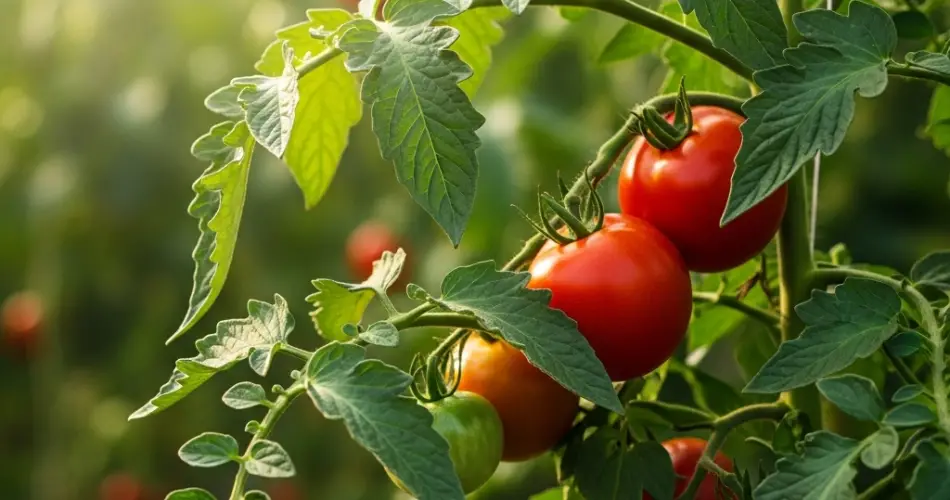
Tomatoes are one of the most satisfying vegetables to grow at home. Their juicy flavor, vibrant color, and endless culinary uses make them a garden favorite. But for beginners, starting tomatoes from seed can seem like a complex process. Fortunately, germinating tomatoes is easier than you might think, even if you’ve never planted anything before. With a few simple tools and a sunny corner in your backyard, you can get your tomato garden off to a great start—without any hassle.
Here’s a step-by-step guide to germinating tomato seeds and setting them up for a successful growing season.
Why Grow Tomatoes from Seed?
While buying young plants from the nursery is convenient, growing tomatoes from seed has its advantages:
-
Cost-effective: A single seed packet can grow dozens of plants.
-
Greater variety: Access unique heirloom or specialty types.
-
More control: Start your plants pesticide-free and on your schedule.
Best of all, watching a tomato sprout from seed and grow into a fruit-bearing plant is a rewarding experience for any home gardener.
Step 1: Choose the Right Tomato Variety
Start by picking a tomato variety suited to your space and climate. If you’re short on room, go for compact or dwarf varieties like ‘Tiny Tim’ or ‘Patio Princess.’ If you have more space, try popular types like ‘Roma,’ ‘Cherry,’ or ‘Beefsteak.’
Look for the following terms on seed packets:
-
Determinate: Bush types that grow to a set height and fruit all at once.
-
Indeterminate: Vining types that grow taller and fruit over a longer season.
Step 2: Gather Your Supplies
You don’t need fancy tools to germinate tomato seeds. Here’s what you’ll need:
-
Tomato seeds
-
Seed-starting mix or light potting soil
-
Small pots, trays, or seedling cells
-
Spray bottle or watering can
-
Plastic wrap or humidity dome
-
Labels (optional)
If using recycled containers like yogurt cups, poke drainage holes at the bottom.
Step 3: Prepare the Soil and Containers
Fill your pots or trays with seed-starting mix. This soil is lightweight, sterile, and designed for better drainage and aeration—key factors for successful germination.
Gently moisten the soil before planting. It should feel damp like a wrung-out sponge, not soaked.
Step 4: Plant the Seeds
Plant 2–3 tomato seeds in each pot or cell about 1/4 inch deep. Cover lightly with soil and mist the top to settle the surface. Don’t bury them too deep—tomato seeds are small and need light to germinate well.
Cover your containers with plastic wrap or a humidity dome to create a warm, moist environment. Place them in a warm spot, ideally between 70°F to 80°F (21°C to 27°C).
Step 5: Keep Moist and Warm
Tomato seeds usually germinate in 5–10 days, depending on temperature and variety. During this period:
-
Keep the soil moist but not soggy.
-
Mist daily or water gently from the bottom if the top looks dry.
-
Remove the plastic cover once the first sprouts appear.
Place your seedlings near a bright window or under grow lights for at least 12–16 hours per day once they sprout. Without enough light, they may become tall and weak (leggy).
Step 6: Thin and Transplant Seedlings
When seedlings have grown to about 2 inches tall and have two sets of leaves, thin them out by snipping the weaker ones at the base—leaving the strongest seedling per container.
Once they’re about 4–6 inches tall and have a strong root system, they’re ready to move outdoors. But don’t rush—tomatoes are sensitive to cold.
Step 7: Harden Off Your Seedlings
Before transplanting your tomato seedlings into the backyard, you need to “harden them off.” This means gradually introducing them to outdoor conditions over 7–10 days.
-
Start by placing them outdoors in a shaded area for 1–2 hours.
-
Gradually increase time and light exposure each day.
-
After a week, they’ll be ready for full outdoor conditions.
Step 8: Transplant to the Backyard
Pick a sunny spot in your garden with well-drained soil. Tomatoes need 6–8 hours of sunlight daily and plenty of nutrients.
When planting:
-
Dig a hole deep enough to bury the seedling up to its first set of true leaves.
-
Remove the lower leaves before planting.
-
This encourages strong root growth along the buried stem.
Water well after planting and add mulch to retain moisture and reduce weeds.
Final Tips for Hassle-Free Tomato Growing
-
Water regularly: Keep the soil consistently moist but not waterlogged.
-
Support the plants: Use cages or stakes as they grow.
-
Fertilize wisely: Use a balanced fertilizer once seedlings are established outdoors.
-
Watch for pests: Keep an eye out for aphids, caterpillars, and fungal spots.
Conclusion
Germinating tomatoes doesn’t require expensive tools, experience, or a large garden. With the right seeds, a sunny backyard, and a bit of patience, you can enjoy the taste of fresh, homegrown tomatoes all summer long. Starting from seed allows you to connect with the growing process from the very beginning—and the effort is well worth the harvest.


