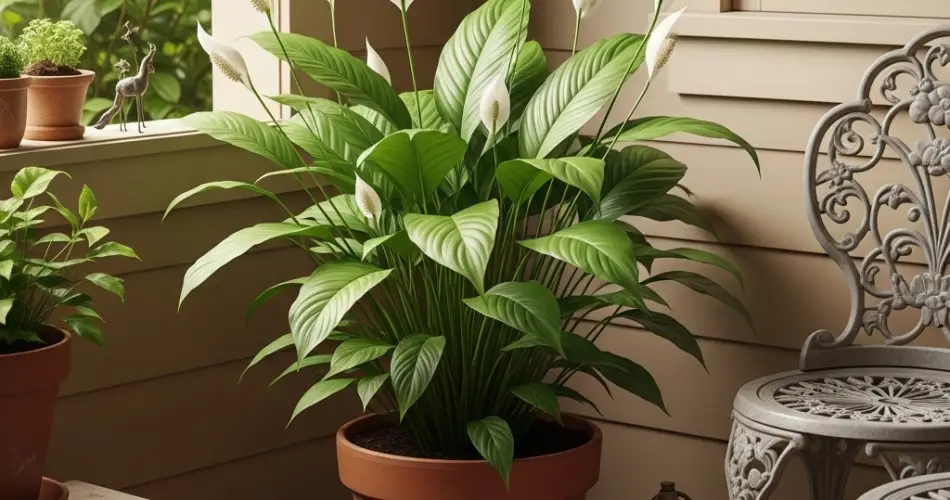
The peace lily (Spathiphyllum) is one of the most beloved indoor plants, cherished for its glossy green leaves and striking white flowers that resemble calla lilies. Not only is it beautiful, but it’s also easy to care for, making it a favorite for both beginners and experienced plant lovers.
While peace lilies are generally low-maintenance, getting them to bloom consistently and vibrantly all year long does take some thoughtful care. If you’ve ever wondered how to keep your peace lily flowering abundantly throughout the seasons, you’re in the right place. Here’s everything you need to know to maximize bloom yield and enjoy a healthier, happier plant year-round.
Understanding the Peace Lily
Before diving into care tips, it’s helpful to understand how the peace lily grows. The plant doesn’t actually produce flowers in the traditional sense. What appears to be a white flower is a modified leaf called a spathe, which surrounds a spike-like spadix where the tiny true flowers grow.
Under ideal conditions, peace lilies can bloom several times a year, each bloom lasting for several weeks. The secret to keeping them productive lies in mimicking their native tropical environment—warm, humid, and shaded.
1. Provide Bright, Indirect Light
Light is one of the biggest factors affecting bloom frequency. Peace lilies do best in bright, indirect light—the kind you’d find near a north- or east-facing window.
-
Avoid direct sunlight, which can scorch leaves and inhibit flowering.
-
Too little light, on the other hand, may keep the plant alive but delay or completely prevent blooming.
If you’re growing your peace lily indoors and notice a lack of flowers, the first thing to do is move it closer to a light source—but not directly into the sun.
2. Maintain Proper Watering Habits
Peace lilies like consistently moist soil, but overwatering is one of the most common mistakes that can lead to root rot and reduce flowering potential.
-
Water when the top inch of soil feels dry.
-
Use room-temperature water to avoid shocking the roots.
-
Make sure your pot has good drainage, and never let the plant sit in standing water.
A drooping peace lily usually perks back up within hours of a good watering, but repeated stress can delay blooming, so try to stick to a regular watering routine.
3. Feed the Plant Regularly
To encourage lush foliage and regular blooming, peace lilies benefit from a balanced, low-dose fertilizer every 4–6 weeks during the growing season (spring and summer).
-
Use a liquid houseplant fertilizer diluted to half-strength.
-
Avoid high-nitrogen fertilizers, which can result in more leaves but fewer flowers.
Over-fertilizing can lead to salt buildup in the soil and damage the plant, so less is more when it comes to feeding peace lilies.
4. Repot When Necessary
If your peace lily has stopped blooming or looks crowded, it might be time to repot.
-
Repot every 1–2 years, preferably in the spring.
-
Choose a pot one size larger and use well-draining indoor potting mix.
-
Loosen the roots gently and remove any dead or mushy ones before replanting.
Fresh soil and extra space will encourage root development, which supports better flower production.
5. Prune Spent Blooms and Leaves
Pruning is essential for keeping your peace lily healthy and productive.
-
Cut off yellowing leaves at the base with clean scissors.
-
Remove spent flowers once they start to brown and fade.
This allows the plant to focus energy on producing new growth and flowers rather than maintaining older, dying parts.
6. Increase Humidity
Native to tropical regions, peace lilies thrive in humid environments. Indoor air—especially during winter—can be too dry.
-
Mist the plant regularly or use a humidity tray.
-
Place it near other plants to create a more humid microclimate.
-
Alternatively, run a humidifier in the room.
Boosting humidity helps the plant maintain healthy foliage and supports frequent blooming.
7. Maintain Consistent Temperature
Peace lilies prefer a temperature range between 65°F to 85°F (18°C to 29°C). They dislike cold drafts and sudden temperature fluctuations.
Keep your peace lily away from air conditioners, heaters, and drafty windows to prevent stress, which can inhibit blooming.
8. Be Patient with New Blooms
Even with the best care, peace lilies won’t bloom constantly. After a blooming cycle, the plant rests before producing more flowers.
-
New blooms typically appear every 2–3 months under good conditions.
-
Focus on consistent care, and the plant will reward you over time.
Final Thoughts
Peace lilies may be easygoing, but encouraging them to bloom continuously requires just a bit of extra attention. With proper lighting, watering, feeding, and environmental conditions, your peace lily can thrive and reward you with elegant white blooms multiple times a year.
These elegant plants not only enhance your living space but also purify the air, adding both beauty and health benefits to your home. With the right care, you’ll be enjoying vibrant peace lily blooms with zero hassle, season after season.


