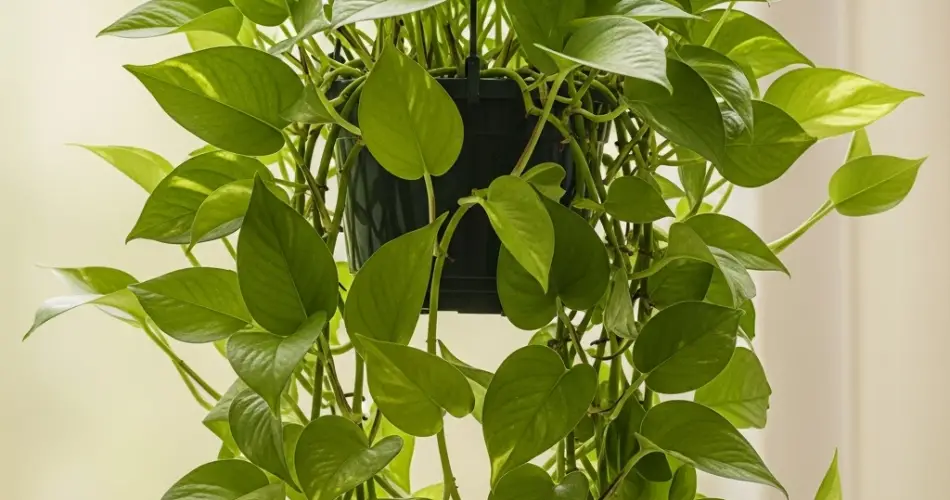
If you’ve ever struggled to keep a houseplant alive, you’re not alone. Many beginners find themselves frustrated by wilting leaves, brown tips, or mysterious plant deaths. But there’s good news: the pothos plant (Epipremnum aureum), often called devil’s ivy, is one of the most forgiving and beginner-friendly houseplants around.
This trailing beauty thrives on neglect, purifies the air, and adds a splash of green to any room. And when it’s time to harvest cuttings—whether for propagation, pruning, or simply shaping your plant—it’s easier than you think. Even if you’ve never harvested a plant before, this guide will help you do it successfully and confidently.
Why Harvest Pothos?
Harvesting pothos typically means taking cuttings from the plant. This serves a few helpful purposes:
-
Promotes bushier growth: Removing long vines encourages the plant to send out new shoots from the base.
-
Shapes the plant: You can control how long or full your pothos grows by trimming vines strategically.
-
Enables propagation: Cuttings can be rooted in water or soil to grow new plants.
This makes pothos perfect for beginners—you can grow multiple plants from just one, without spending a dime.
When to Harvest Pothos
The best time to harvest pothos is during its active growing season—spring and summer. However, since it’s an indoor plant, you can technically harvest it any time of year if it’s healthy and growing well.
Signs your pothos is ready for harvesting:
-
Vines are long and trailing over the edges of pots or shelves.
-
The plant looks leggy or sparse at the base.
-
You’re ready to start new plants from cuttings.
What You’ll Need
Before you begin, gather a few basic tools:
-
Sharp, clean scissors or pruning shears
-
A clean glass of water or small pots with moist soil (if propagating)
-
Optional: rooting hormone (not necessary, but it can speed up propagation)
Always clean your cutting tools with rubbing alcohol to prevent spreading disease.
How to Take a Cutting
Look for a healthy vine with several leaves and nodes. A node is the small bump where a leaf meets the stem—it’s where roots will grow from.
Follow these steps:
-
Identify a vine that’s at least 4–6 inches long with 4–5 healthy leaves.
-
Cut the vine about ½ inch below a node.
-
Remove the leaf closest to the cut end—this exposes the node for rooting.
If you’re propagating in water, this node must be submerged.
How to Propagate Pothos
Once you’ve taken your cutting, you can root it in either water or soil.
In Water:
-
Place the cutting in a clean jar with the cut end submerged in water.
-
Keep the node underwater, but no leaves should be submerged.
-
Set the jar in a bright spot out of direct sunlight.
-
Change the water every 3–5 days to prevent bacteria buildup.
Roots usually begin to appear within 1–2 weeks. Once they are a few inches long, you can transplant the cutting into soil.
In Soil:
-
Dip the cut end of the stem in rooting hormone (optional).
-
Plant the cutting in a small pot with moist, well-draining soil.
-
Keep the soil slightly damp and place the pot in a warm, bright area.
This method may take a little longer, but it helps the roots adapt to soil from the start.
Aftercare for Cuttings and Parent Plant
-
For cuttings: Once they’re planted in soil, treat them like mature pothos—bright, indirect light and water only when the top inch of soil is dry.
-
For the mother plant: After harvesting, continue with normal care. Water when the topsoil is dry, and wipe leaves occasionally to remove dust.
If you removed a lot of foliage, consider giving the plant a diluted liquid fertilizer to help it bounce back.
Common Beginner Mistakes (and How to Avoid Them)
-
Overwatering: The number one killer of pothos. Always check the soil before watering.
-
Direct sunlight: Pothos prefers bright, indirect light. Too much sun scorches leaves.
-
Ignoring nodes: If you try to root a cutting without a node, it won’t grow roots.
-
Dirty tools: Using dull or dirty scissors can cause rot or infection.
By avoiding these simple pitfalls, you’ll find pothos one of the easiest houseplants to grow and multiply.
Final Thoughts
Even if every plant you’ve ever touched has wilted under your care, pothos is here to restore your gardening confidence. With minimal effort, you can harvest healthy cuttings, grow new plants, and shape your pothos into the lush, trailing beauty it’s meant to be.
It’s a plant that rewards curiosity, tolerates mistakes, and practically grows on autopilot. So grab your scissors, snip a vine, and start your pothos journey—you might just become a plant lover after all.


