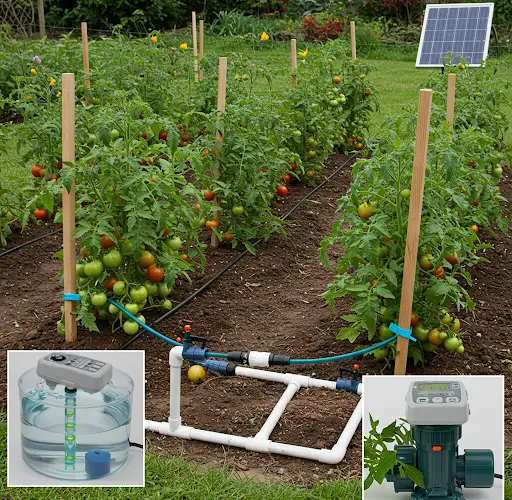
How to Make Automatic and Homemade Drip Irrigation to Grow Tomatoes at Home — Very Easy and Fast
Tomatoes are among the most rewarding plants to grow at home, but they require consistent watering to thrive and produce sweet, juicy fruits. A homemade drip irrigation system offers a simple, affordable, and highly effective way to keep your tomato plants healthy without daily watering chores.
With just a few common materials, you can easily set up an automatic watering system that delivers slow, steady moisture directly to the roots, exactly where your tomatoes need it most.
Here’s a complete guide on how to make your own automatic drip irrigation system — fast, easy, and at very low cost.
Why Use a Drip Irrigation System for Tomatoes?
Tomatoes are sensitive to irregular watering. Too much water can cause root rot, while too little can lead to blossom-end rot and stressed plants. Drip irrigation helps avoid these problems by:
-
Delivering consistent moisture without soaking the foliage, reducing fungal diseases.
-
Saving water by minimizing evaporation and runoff.
-
Reducing daily maintenance — you won’t have to water by hand every day.
-
Promoting deep root growth for stronger, healthier plants.
Making a DIY drip system at home is simple and allows you to reuse materials, making it eco-friendly and economical.
Materials You Will Need
-
Plastic bottles (1–2 liters for individual plants, larger for bigger setups)
-
Sharp needle, pin, or small nail
-
Scissors or knife
-
String or wire (optional, for hanging)
-
Water
Step-by-Step Instructions
1. Prepare the Plastic Bottle
Select a clean, sturdy plastic bottle with a cap. Larger bottles hold more water, making them ideal for bigger tomato plants.
-
Clean Thoroughly:
Wash the bottle inside and out to remove any residue or contaminants. -
Create Drip Holes:
Using a sharp needle, pin, or nail, poke 1–2 tiny holes in the cap. Heating the needle slightly with a lighter makes it easier to puncture the plastic neatly.
Tip: Start with very small holes. You can widen them later if the water flow is too slow.
2. Set Up the Bottle for Watering
There are two simple methods to set up your drip irrigation system:
-
Upside-Down Method:
Fill the bottle with water, screw the cap back on, and insert the bottle cap-first into the soil about 2–3 inches away from the tomato plant’s stem.
Bury the cap deep enough so that the water drips directly into the root zone. -
Standing Method (Alternative):
If you prefer not to insert the bottle upside down, poke holes at the base of the bottle (now the top side) and place it upright near the plant. Water will slowly seep from the bottom into the soil.
Choose the method that suits your space and plant setup best.
3. Adjust the Water Flow
After installing your bottle:
-
Check the rate of dripping. Ideally, it should release water slowly over several hours or even days, depending on the hole size.
-
If the bottle empties too quickly, make a new cap with smaller holes or seal and adjust the current ones.
-
If it drips too slowly, slightly enlarge the holes.
Monitoring the drip rate for the first few days is important to ensure your plants are getting the right amount of moisture.
4. Refill as Needed
Depending on the bottle size, weather conditions, and the plant’s water requirements, refill the bottle every few days.
In hotter climates, tomatoes may need more frequent refilling. During cooler periods, one refill can last several days.
Best Practices for Tomato Drip Irrigation
-
Pre-moisten the soil before installing your system to ensure even water distribution.
-
Use mulch around the plant base to retain soil moisture and reduce evaporation.
-
Position bottles close to the root zone but not directly on the plant stem to avoid root diseases.
-
Adjust according to plant size — as tomato plants grow larger, they may need more water.
Advantages of Homemade Drip Irrigation
-
Low Cost:
Uses readily available recycled materials. -
Eco-Friendly:
Reduces plastic waste and water consumption. -
Simple to Set Up:
No special tools or complicated systems are needed. -
Saves Time:
Automates watering, allowing you to spend more time enjoying your garden. -
Healthier Plants:
Provides steady hydration, promoting vigorous growth and higher fruit yields.
Extra Tips for Success
-
Multiple Bottles for Large Plants:
If your tomato plant grows very large, installing two or more bottles can ensure even watering. -
Fertilizer Option:
Occasionally, you can mix a diluted liquid fertilizer into the water for slow, continuous feeding. -
Upgrade with Tubing:
If you want a slightly more advanced system, you can attach small tubes to the bottles to distribute water more precisely. -
Inspect Regularly:
Over time, bottle caps can clog with soil particles. Check and clean your system occasionally to maintain a smooth drip flow.
Final Thoughts
Setting up an automatic and homemade drip irrigation system for your tomatoes is one of the easiest and most effective ways to ensure a productive harvest. It saves water, reduces the time and effort needed for daily watering, and supports healthier, more resilient plants.
With just a few plastic bottles and a few minutes of setup, you can transform your home garden into a more efficient, self-watering system. Whether you’re growing tomatoes in pots, raised beds, or traditional garden beds, this method is perfect for gardeners of all experience levels.
Give this simple system a try and enjoy an abundant crop of fresh, delicious tomatoes grown with minimal fuss!


