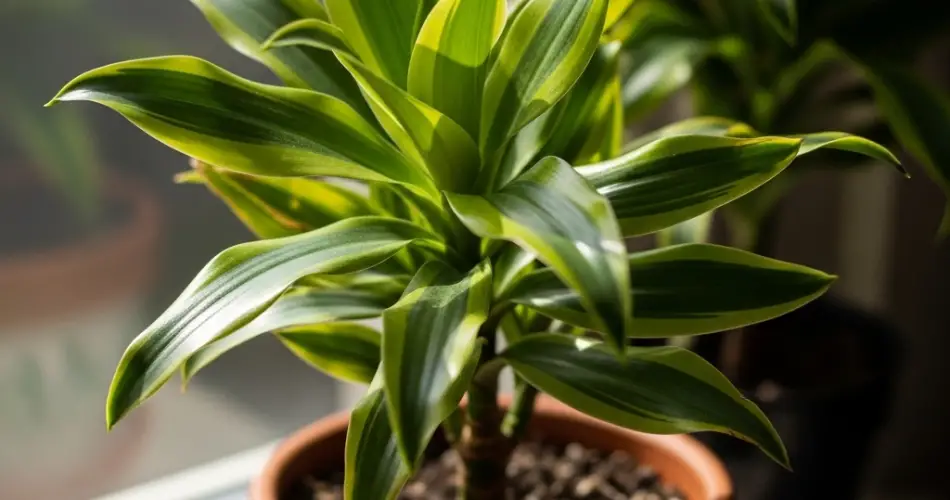
Dracaena plants are well-loved for their striking foliage, air-purifying abilities, and low-maintenance nature. Whether you’ve chosen the bold, upright Dracaena marginata (dragon tree) or the lush, leafy Dracaena fragrans (corn plant), these tropical beauties adapt surprisingly well to life in containers. While many indoor gardeners eventually move their Dracaena into larger pots, it’s entirely possible to keep your plant thriving in a small container with the right care and attention.
Keeping Dracaena healthy in a small pot involves balancing moisture, soil, root space, and light. With thoughtful watering habits, proper pruning, and regular maintenance, you can enjoy a compact, attractive plant without sacrificing its long-term health. Here’s how to make it work.
Why Choose a Small Pot?
Smaller pots are ideal for:
-
Limited indoor space such as desks, windowsills, or apartment corners
-
Controlled growth, preventing your plant from becoming too large or leggy
-
Lightweight mobility, allowing easy relocation for light or design changes
While Dracaena typically appreciates room for its roots, a smaller pot doesn’t mean it has to struggle—especially if you adjust your care routine accordingly.
Select the Right Small Pot
Not all small containers are created equal. When growing Dracaena in a smaller pot, good drainage becomes even more important to avoid waterlogging.
Look for:
-
Drainage holes to prevent root rot
-
A pot that is 1–2 inches wider than the plant’s root ball
-
Sturdy material, especially for taller varieties—ceramic or terracotta is a good choice
Avoid decorative pots without drainage unless you’re using them as outer covers with a functional plastic insert.
Use the Right Soil Mix
Small pots hold less soil, which means they retain moisture differently than larger ones. To avoid soggy roots or overly dry soil, choose a potting mix that drains well while holding a bit of moisture.
Recommended mix:
-
2 parts regular potting soil
-
1 part perlite or pumice for aeration
-
1 part peat moss or coco coir to maintain moisture without waterlogging
This blend ensures the roots get air while preventing the soil from drying out too quickly or staying overly wet.
Master Moisture Control
Watering is one of the most critical factors when growing Dracaena in a compact container. Since there’s less soil to hold moisture, the plant can quickly swing between too dry and too wet.
Watering tips:
-
Water only when the top 1–2 inches of soil feel dry
-
Water thoroughly until it drains out the bottom—never let the plant sit in standing water
-
In cooler months, reduce watering frequency
-
Use room-temperature water to avoid shocking the roots
If you’re unsure, it’s better to underwater slightly than overwater. Dracaena is more tolerant of dry conditions than soggy ones.
Prune and Trim Strategically
In a small pot, pruning becomes essential to manage the plant’s size and root demands. Regular trimming encourages new leaf growth and prevents your Dracaena from becoming too tall or top-heavy.
Pruning guidelines:
-
Use clean, sharp scissors or pruning shears
-
Trim back long, leggy stems just above a leaf node
-
Remove yellowing or dying leaves regularly
-
Cut back overly tall canes to stimulate bushier growth
Trimming the top growth also reduces how much energy the plant needs to pull from its limited root system.
Fertilize Sparingly
Since small pots hold less soil—and fewer nutrients—fertilizing becomes important, but moderation is key. Over-fertilizing can quickly lead to salt buildup in the soil, harming the plant.
Fertilizing tips:
-
Use a balanced, diluted liquid houseplant fertilizer (e.g., 10-10-10)
-
Apply once a month during the growing season (spring to early fall)
-
Skip feeding during winter or dormancy periods
To avoid fertilizer burn, flush the soil with plain water every 1–2 months to wash out accumulated salts.
Monitor for Signs of Stress
A small pot requires more attentive care. Keep an eye out for early warning signs that your Dracaena needs help:
-
Leaves turning yellow or brown at the tips: May signal overwatering, low humidity, or salt buildup
-
Drooping leaves: Could indicate too little water or root crowding
-
Roots poking out of drainage holes: Time to trim or repot
-
Soil drying out too fast: May need refreshing or replacing with a better-retaining mix
Regular inspections help catch issues before they impact the plant’s overall health.
When and How to Refresh the Soil
Even if you don’t repot into a larger container, refreshing the soil helps maintain root health and nutrient balance.
To refresh soil in a small pot:
-
Gently remove the plant, keeping roots intact
-
Shake off old soil and trim any overly long or circling roots
-
Refill the same pot with fresh soil mix
-
Replant and water thoroughly
Doing this once a year keeps your plant healthy and the soil structure intact.
Final Thoughts
Keeping your Dracaena thriving in a small pot is absolutely doable with the right approach. By choosing a well-draining pot, using an appropriate soil mix, and adjusting your watering and pruning routines, you can enjoy a vibrant, manageable plant without the need for frequent repotting or size expansion.
With consistent care and occasional maintenance, your compact Dracaena can remain a bold, sculptural element in your indoor garden—proving that great things really do come in small containers.


