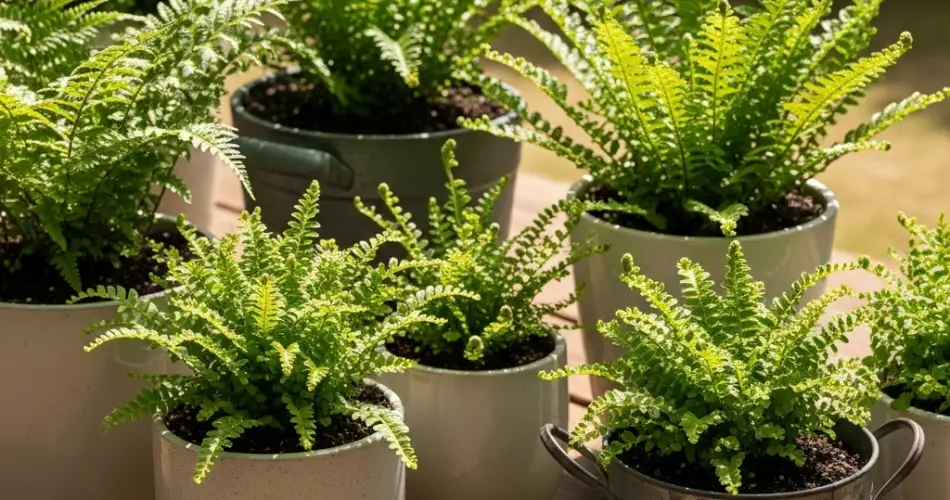
Ferns are among the most beloved houseplants, admired for their lush, feathery fronds and timeless elegance. Whether you’re displaying a Boston fern, maidenhair, bird’s nest, or staghorn, their delicate foliage can soften any room and bring a touch of nature indoors. However, for ferns to truly thrive, one critical factor must not be overlooked: the container.
Choosing the right container is more than a design decision—it plays a key role in the health and vigor of your fern. From proper drainage to size, shape, and materials, the pot you choose can support or hinder the growth of those iconic fronds. Here’s how to make sure your fern is not only beautiful but also planted in the best possible home.
Why Container Choice Matters for Ferns
Ferns are moisture-loving plants that enjoy high humidity and consistent watering—but they’re also sensitive to overwatering and poor drainage. A well-chosen container balances these needs while also matching your aesthetic preferences.
The right pot will:
-
Support even moisture retention without becoming soggy.
-
Allow good airflow to the roots.
-
Prevent root rot with efficient drainage.
-
Accommodate the root system as the plant grows.
-
Complement your interior design.
Failing to provide a container with the right features can result in browning fronds, root decay, or stunted growth.
Essential Container Features for Ferns
1. Drainage Holes
This is non-negotiable. Ferns hate standing water, and containers without drainage increase the risk of soggy soil and root rot. Always opt for pots with one or more drainage holes.
Tip: If you want to use a decorative container without drainage holes, place a plastic nursery pot (with drainage) inside it. Remove it to water and let it drain thoroughly before placing it back.
2. Proper Size
Choose a container that’s just slightly larger than the fern’s root ball. Oversized pots can lead to water retention, while small pots may restrict growth.
-
Young ferns: 4–6 inches in diameter
-
Mature ferns: 8–12 inches or more, depending on the type
Repot only when roots are crowded or growing out of the drainage holes.
3. Breathable Materials
Containers made from porous materials like terracotta allow for better airflow and natural evaporation, which helps balance moisture levels.
-
Terracotta: Great for humid environments where soil dries more slowly.
-
Plastic: Retains moisture well, making it suitable for drier homes or forgetful waterers.
-
Ceramic (glazed): Offers a balance of moisture retention and style but can be heavier.
Each material affects how often you’ll need to water, so consider your environment and routine.
Decorative Container Ideas for Ferns
Beyond function, your container should complement the soft, textured look of fern foliage. Here are a few ideas:
Minimalist Planters
Clean white or black ceramic pots enhance the lush green of fern fronds and fit seamlessly into modern interiors. Choose matte finishes for a sophisticated touch.
Woven Baskets
A popular choice for natural décor styles, baskets made from rattan, seagrass, or jute add warmth and texture. Always use a liner or hidden plastic pot inside to avoid leaks and preserve the basket.
Hanging Planters
Great for trailing ferns like Boston or maidenhair, hanging planters free up surface space and showcase the fronds from above. Look for those with drip trays or self-watering systems.
Concrete or Stone Pots
These offer a sleek, industrial look and are perfect for grounding the delicate fronds of more architectural ferns like the bird’s nest variety.
Vintage or Repurposed Containers
Old tin cans, enamel bowls, or teacups can be charming homes for small ferns, as long as you add drainage. Drill holes or use them as decorative cachepots.
Watering and Soil Considerations
Once you’ve selected the perfect container, it’s important to pair it with the right soil and watering approach:
-
Use a light, airy mix—one part peat or coco coir, one part perlite, and one part potting soil is ideal.
-
Keep the soil evenly moist, but never waterlogged.
-
Mist your ferns regularly or use a humidity tray, especially if your container sits in a dry area.
The container’s drainage and material will influence how frequently you need to water. Terracotta dries faster than plastic, so adjust accordingly.
Common Mistakes to Avoid
-
Using pots without drainage holes: Even with careful watering, it’s risky.
-
Going too big with containers: Large pots hold more water than necessary, which can lead to root rot.
-
Using heavy soil mixes: Avoid dense garden soil, which can compact and suffocate the roots.
-
Ignoring humidity: The right pot helps, but humidity is essential—pair your container choice with proper placement and care.
Final Thoughts
The container you choose for your fern isn’t just a backdrop—it’s a vital part of keeping your plant healthy. A breathable, well-draining, properly sized pot ensures that those soft green fronds stay vibrant and full. Whether you prefer modern, rustic, or eclectic styles, there’s a container that can satisfy both your design goals and your fern’s growing needs.
By pairing smart container choices with attentive care, you’ll enjoy a flourishing fern that elevates your indoor garden and adds a refreshing natural touch to your home.


