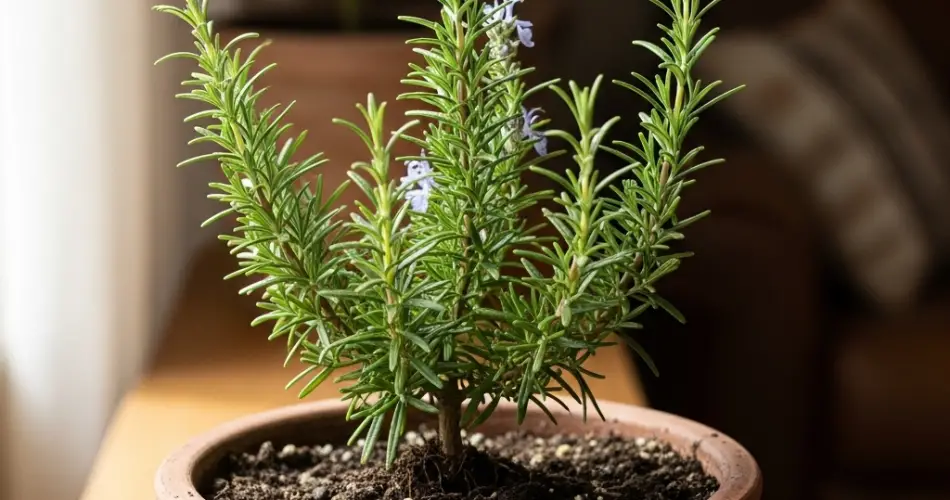
Rosemary is a fragrant, evergreen herb prized for its woody aroma and robust flavor, making it a favorite for seasoning meats, soups, and roasted vegetables. Growing rosemary in pots is a great way to enjoy fresh herbs year-round, whether you have a garden, balcony, or just a sunny windowsill. Rosemary thrives with the right care and environment, and this guide will provide you with essential tips to keep your potted rosemary healthy, lush, and productive.
Why Grow Rosemary in Pots?
Potting rosemary offers several advantages:
-
Mobility: You can easily move the plant to catch the best sunlight or protect it from harsh weather.
-
Control: Growing in pots allows you to manage soil quality and moisture levels more effectively.
-
Space Efficiency: Perfect for small outdoor spaces or indoor herb gardens.
-
Year-Round Harvest: With proper care, rosemary can thrive indoors during colder months, providing fresh leaves whenever you need them.
Selecting the Right Pot and Soil
Rosemary prefers well-draining conditions and a container that supports healthy root development:
-
Pot Size: Choose a pot at least 10-12 inches in diameter to give roots plenty of room to grow.
-
Material: Terracotta pots are excellent because they allow excess moisture to evaporate, helping prevent root rot. Plastic pots retain moisture longer, so watch watering closely.
-
Drainage: Make sure the pot has multiple drainage holes to avoid waterlogging.
-
Soil: Use a well-draining potting mix, preferably one designed for Mediterranean plants or mixed with sand or perlite to enhance drainage.
-
pH Level: Rosemary prefers slightly acidic to neutral soil, with a pH around 6.0 to 7.0.
Providing Adequate Light
Rosemary is a sun-loving plant and requires ample light to thrive:
-
Sunlight: Aim for at least 6-8 hours of direct sunlight each day. A south-facing window or bright outdoor spot is ideal.
-
Supplemental Lighting: If natural light is limited indoors, supplement with grow lights for 10-12 hours daily.
-
Rotate the Pot: Rotate your rosemary regularly to ensure even growth and prevent leaning toward the light source.
Watering Rosemary Properly
Overwatering is one of the most common issues with potted rosemary:
-
Watering Frequency: Allow the top 2 inches of soil to dry out before watering again. Rosemary prefers slightly dry conditions.
-
Method: Water deeply but infrequently, ensuring water reaches the root zone without leaving the soil soggy.
-
Drainage: Always remove excess water from saucers to prevent root rot.
-
Humidity: Rosemary prefers moderate to low humidity; avoid overly humid indoor environments.
Fertilizing Your Rosemary
Rosemary is a light feeder and doesn’t require heavy fertilization:
-
Type: Use a balanced, water-soluble fertilizer diluted to half strength.
-
Frequency: Fertilize once a month during the growing season (spring and summer).
-
Avoid Overfeeding: Excess fertilizer can cause leggy growth and reduce essential oils that give rosemary its aroma and flavor.
Pruning and Harvesting for a Healthy Plant
Regular pruning encourages bushy growth and maintains productivity:
-
Pruning: Trim back rosemary regularly to shape the plant and remove woody stems. Avoid cutting into old wood, which can be slow to regrow.
-
Harvesting: Snip leaves and stems as needed. Frequent harvesting encourages new growth.
-
Flowering: Rosemary flowers attract pollinators and are edible, but if the plant becomes too woody, pruning can help rejuvenate it.
Common Problems and How to Fix Them
-
Leggy Growth: Often caused by insufficient light or lack of pruning. Move rosemary to a sunnier location and prune regularly.
-
Yellow Leaves: Could indicate overwatering or poor drainage. Adjust watering habits and check pot drainage.
-
Pests: Watch for spider mites, aphids, or whiteflies. Treat infestations with insecticidal soap or neem oil.
-
Root Rot: Avoid overwatering and ensure proper drainage to prevent fungal diseases.
Tips for Winter Care
If you live in a colder climate, rosemary needs special attention during winter:
-
Bring Indoors: Move potted rosemary inside before frost hits.
-
Lighting: Place near a bright window or use grow lights to provide enough light.
-
Watering: Reduce watering frequency since growth slows in cooler temperatures.
-
Avoid Drafts: Keep rosemary away from cold drafts and heating vents that cause temperature fluctuations.
Benefits of Growing Rosemary in Pots
-
Fresh Flavors: Enjoy fresh, aromatic rosemary leaves anytime.
-
Easy Maintenance: Once established, rosemary requires minimal care.
-
Aesthetic Appeal: Its evergreen foliage adds a lovely green touch to your kitchen or garden.
-
Therapeutic: Rosemary’s scent is known to improve mood and boost memory.
Final Thoughts
Growing rosemary in pots is a rewarding and practical way to have fresh herbs available all year round. By selecting the right container, providing plenty of sunlight, watering carefully, and pruning regularly, you can keep your potted rosemary lush, healthy, and productive. Whether used in your favorite recipes or enjoyed for its fragrance, a thriving rosemary plant is a valuable addition to any indoor or outdoor herb garden.


