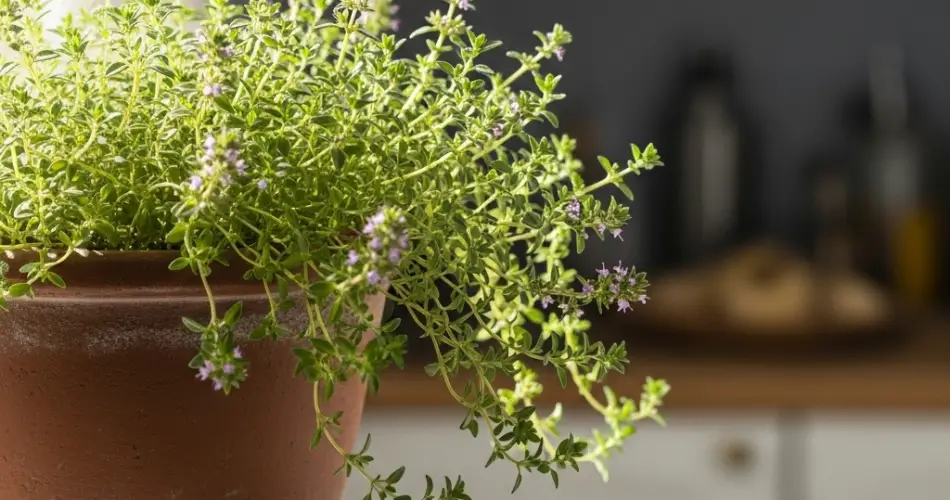
Thyme is a versatile and fragrant herb treasured in kitchens worldwide. Its earthy, slightly minty flavor enhances soups, stews, roasts, and sauces, making it an essential ingredient in many recipes. For gardeners with limited space, growing thyme in containers is an excellent way to have fresh, flavorful herbs at your fingertips year-round.
This article offers practical tips on how to grow thyme successfully in containers, from choosing the right pot and soil to care and harvesting techniques, ensuring your thyme plants thrive and provide full flavor.
Why Grow Thyme in Containers?
Container gardening offers several advantages, especially for thyme:
-
Space Saving: Ideal for balconies, patios, windowsills, and small gardens.
-
Mobility: Move containers to optimize sunlight exposure or protect from harsh weather.
-
Year-Round Growth: With indoor placement or shelter, thyme can grow beyond its usual outdoor season.
-
Control: Containers allow precise management of soil, moisture, and pests.
-
Aesthetic Appeal: Thyme adds lush greenery and delicate flowers that enhance any space.
Choosing the Right Container
Picking the appropriate pot is key to thyme’s success:
-
Size: Thyme has a shallow but spreading root system. Choose a container at least 6 to 8 inches deep and 8 to 12 inches wide.
-
Material: Terracotta pots are preferred because they provide excellent drainage and breathability. Plastic or ceramic pots with adequate drainage holes also work.
-
Drainage: Good drainage is critical to prevent waterlogged roots and root rot.
Soil Requirements
Thyme thrives in well-draining, moderately fertile soil:
-
Use a high-quality potting mix amended with sand or perlite to enhance drainage.
-
Avoid heavy or moisture-retentive soils.
-
Slightly alkaline to neutral pH soils suit thyme best.
Selecting Thyme Varieties for Containers
Many thyme varieties thrive in containers:
-
Common Thyme (Thymus vulgaris): The classic culinary herb.
-
Lemon Thyme: Adds a citrusy twist to dishes.
-
Creeping Thyme: A low-growing variety ideal for ground cover or cascading over container edges.
-
Silver-Edged Thyme: Has variegated leaves for ornamental appeal.
Choose a variety based on your flavor preference and decorative goals.
Planting Thyme
Thyme can be started from seeds, cuttings, or nursery plants:
-
Seeds: Sow seeds on the surface of moist, well-draining soil and lightly press them in. Germination can take 1 to 2 weeks. Thin seedlings to avoid overcrowding.
-
Cuttings: Root semi-hardwood cuttings in moist soil or water for faster propagation.
-
Nursery Plants: Buying established thyme plants is an easy way to start with a healthy specimen.
Light Requirements
Thyme loves bright sunlight:
-
Provide at least 6 hours of direct sunlight daily.
-
Place containers on sunny windowsills, balconies, or patios.
-
Use supplemental grow lights if natural light is insufficient.
Watering Thyme
Thyme prefers slightly dry conditions:
-
Water deeply but infrequently, allowing the soil to dry between watering.
-
Avoid overwatering, which can cause root rot.
-
Ensure pots have excellent drainage to prevent standing water.
Fertilizing Thyme
Thyme is a light feeder and generally does well without heavy fertilization:
-
Use a balanced, water-soluble fertilizer at half strength once every 4 to 6 weeks during the growing season.
-
Over-fertilizing can reduce the intensity of thyme’s flavor.
Pruning and Harvesting Thyme
Regular pruning promotes bushy growth and enhances flavor:
-
Pinch or trim back stems regularly, especially before flowering.
-
Harvest leaves by snipping small stems just above a pair of leaves.
-
Remove woody or dead stems to encourage fresh growth.
-
Frequent harvesting stimulates the plant to produce more flavorful leaves.
Common Problems and Solutions
-
Leggy Growth: Usually caused by insufficient light; move the pot to a sunnier spot or add grow lights.
-
Yellowing Leaves: May indicate overwatering or poor drainage; adjust watering practices.
-
Pests: Thyme is generally pest-resistant but watch for spider mites or aphids; treat infestations with insecticidal soap.
-
Root Rot: Prevent by ensuring excellent drainage and avoiding excess watering.
Benefits of Growing Thyme in Containers
-
Freshness: Pick leaves as needed for peak flavor.
-
Health: Thyme contains antioxidants and has antimicrobial properties.
-
Decor: Adds greenery and delicate flowers, enhancing indoor and outdoor spaces.
-
Sustainability: Growing your own herbs reduces packaging waste and store trips.
Conclusion
Growing thyme in containers is an accessible way to enjoy fresh, flavorful herbs regardless of your available space. With the right container, well-draining soil, sufficient light, and proper watering and pruning, thyme plants will thrive and enrich your cooking.
Whether you’re seasoning roasts, flavoring soups, or garnishing dishes, container-grown thyme brings fresh, aromatic flavor right to your kitchen or garden.


