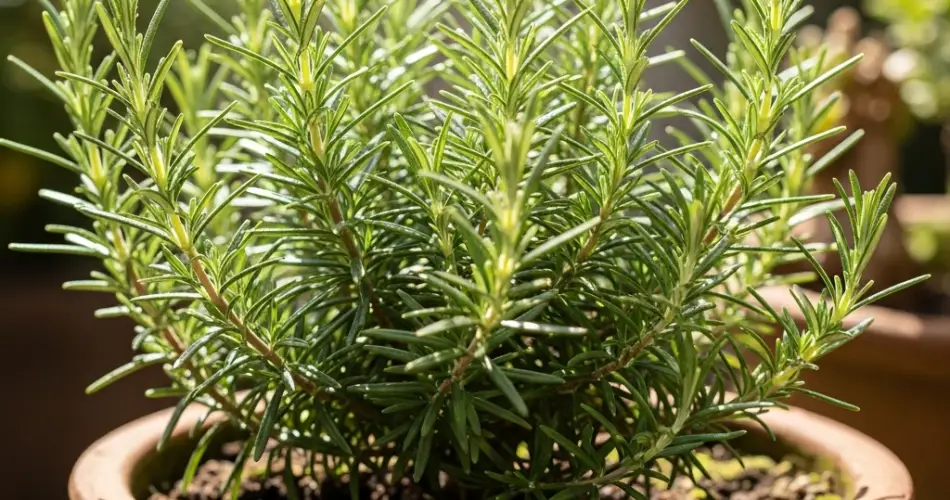
Rosemary is a fragrant, evergreen herb cherished for its aromatic needle-like leaves and robust flavor that enhances a variety of dishes, from roasted meats to soups and breads. Growing rosemary in pots is an excellent solution for gardeners with limited outdoor space, enabling year-round access to this versatile herb.
This article offers practical tips for successfully cultivating rosemary in containers throughout the year, covering everything from choosing the right pot to care techniques for different seasons.
Why Grow Rosemary in Pots?
Growing rosemary in pots provides several benefits:
-
Space Efficiency: Ideal for balconies, patios, kitchen windowsills, or small garden spaces.
-
Portability: Potted rosemary can be moved to optimize sunlight exposure or protect from extreme weather.
-
Year-Round Availability: Container cultivation allows you to grow rosemary indoors during colder months.
-
Control: Easier management of soil quality, watering, and pests compared to in-ground planting.
-
Decorative Appeal: Rosemary’s woody stems and aromatic foliage make it a beautiful addition to any space.
Choosing the Right Container
Selecting an appropriate pot is essential for healthy rosemary growth:
-
Size: Rosemary has a moderately deep root system. Choose a pot at least 10 to 12 inches deep and wide.
-
Material: Terracotta pots are highly recommended for their breathability, which helps prevent root rot. Plastic or ceramic pots with adequate drainage holes can also be used.
-
Drainage: Multiple drainage holes are crucial to avoid waterlogged soil.
Soil Requirements
Rosemary thrives in well-draining, slightly acidic to neutral soil:
-
Use a high-quality, sandy or loamy potting mix.
-
Adding perlite or coarse sand improves drainage.
-
Avoid heavy or water-retentive soils that promote root diseases.
Light Requirements
Rosemary requires plenty of bright sunlight:
-
Place your rosemary pot in a location that receives at least 6 to 8 hours of direct sunlight daily.
-
South-facing windows or outdoor spots with full sun are ideal.
-
Use grow lights if natural sunlight is insufficient, especially during winter months.
Watering Rosemary
Proper watering is critical:
-
Rosemary prefers dry conditions and is drought-tolerant.
-
Water deeply but allow the top 1 to 2 inches of soil to dry out before watering again.
-
Avoid overwatering, which can lead to root rot.
-
Ensure pots drain well to prevent standing water.
Fertilizing Rosemary
Rosemary is a light feeder and benefits from occasional feeding:
-
Use a balanced, water-soluble fertilizer diluted to half strength once every 6 to 8 weeks during the growing season.
-
Excessive fertilizing can lead to weak, leggy growth with reduced aroma.
Pruning and Harvesting
Regular pruning encourages healthy growth and enhances flavor:
-
Trim rosemary stems periodically to maintain shape and promote bushiness.
-
Harvest leaves or small stems as needed by snipping above a leaf node.
-
Remove any dead, woody, or damaged stems.
-
Pruning after flowering encourages new growth and maintains plant vigor.
Seasonal Care Tips
Spring and Summer:
-
Keep rosemary outdoors or in a sunny indoor spot.
-
Water regularly but avoid overwatering.
-
Fertilize monthly during active growth.
-
Prune lightly to encourage fullness.
Fall:
-
Gradually reduce watering as growth slows.
-
Move rosemary indoors before the first frost if you live in colder regions.
-
Maintain bright light indoors and reduce fertilizing.
Winter:
-
Rosemary goes semi-dormant and requires minimal watering.
-
Place the plant in the brightest, coolest spot indoors.
-
Avoid overwatering and fertilizing during dormancy.
-
Prune lightly if necessary to remove any dead or woody growth.
Common Problems and Solutions
-
Leggy Growth: Caused by insufficient light; move rosemary to a sunnier location or use grow lights.
-
Yellow or Drooping Leaves: May indicate overwatering or poor drainage; adjust watering and check pot drainage.
-
Pests: Watch for spider mites, aphids, or whiteflies. Treat infestations with insecticidal soap or neem oil.
-
Root Rot: Prevent by ensuring excellent drainage and avoiding waterlogged soil.
Benefits of Growing Rosemary in Pots
-
Freshness: Have fresh rosemary leaves available for cooking year-round.
-
Health: Rosemary contains antioxidants and anti-inflammatory compounds.
-
Aesthetic: Adds greenery and a pleasant herbal fragrance to your living space.
-
Sustainability: Growing your own herbs reduces packaging waste and frequent store visits.
Conclusion
Growing rosemary in pots year-round is a rewarding and manageable way to enjoy this flavorful herb regardless of your available space or climate. By choosing the right container, providing ample sunlight, watering carefully, and adjusting care through the seasons, you can cultivate a healthy, fragrant rosemary plant.
Whether you’re seasoning dishes or enjoying its aromatic presence, container-grown rosemary is a versatile and beautiful addition to your home garden.


