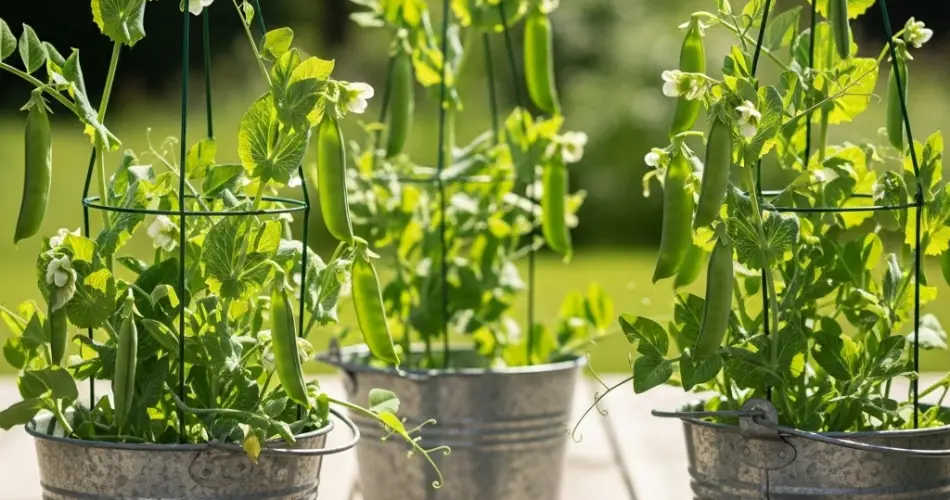
Growing peas in containers is an excellent solution for gardeners with limited space, balconies, or small patios. Container gardening allows precise control over soil, sunlight, and water, creating optimal conditions for healthy pea growth. By selecting the right containers, preparing nutrient-rich soil, and providing proper care, gardeners can enjoy a consistent harvest of tender, sweet peas throughout the growing season.
Why Grow Peas in Containers?
Container gardening offers many advantages for pea cultivation. Peas are climbing plants that benefit from vertical support, and containers make it easy to provide trellises or other structures for the vines. Container-grown peas are less prone to soil-borne diseases and pests, and you can easily move the pots to capture sunlight or provide shade during hot weather. Additionally, growing peas in containers allows for continuous sowing, ensuring fresh pods over an extended period.
Choosing the Right Container
Pea plants require adequate depth and space for their roots. A container at least 10–12 inches deep and 12 inches wide per plant is ideal. Larger containers can accommodate multiple pea plants, provided they are spaced properly to prevent overcrowding. Ensure the container has sufficient drainage holes to avoid waterlogged soil, which can lead to root rot and poor growth. Lightweight materials such as plastic or resin are convenient for portability, while clay or ceramic pots provide stability for taller trellises.
Preparing the Soil Mix
Healthy, well-draining soil is essential for thriving pea plants. Peas prefer soil that retains moisture without becoming soggy and is rich in nutrients to support flowering and pod production. A recommended container soil mix includes:
-
50% loamy garden soil: Provides structure and essential minerals.
-
30% compost or well-rotted organic matter: Enhances fertility, moisture retention, and microbial activity.
-
20% perlite, coarse sand, or vermiculite: Improves drainage and aeration, preventing soil compaction.
Incorporate a balanced organic fertilizer or slow-release compost into the soil before planting. Avoid soils that are too heavy or clay-based, as they can restrict root development and cause waterlogging.
Planting Peas
Peas can be grown from seeds or seedlings. For seeds, plant them about 1–2 inches deep and 2–3 inches apart. Once seedlings emerge, thin them to one plant per 4–6 inches to allow enough room for growth. For container setups with multiple plants, spacing is crucial to maintain airflow and reduce disease risk. Plant seeds near the base of a trellis or support structure, so the vines have immediate guidance for climbing.
Providing Support
Peas are climbing plants and require vertical support to thrive. Trellises, stakes, or netting allow vines to grow upward, saving space and improving air circulation around the plant. A simple trellis made of bamboo poles or string netting works well for small containers. As the pea vines grow, gently guide them around the supports to encourage vertical growth. Proper support also prevents pods from lying on the soil, reducing the risk of rot and pest damage.
Sunlight and Growing Conditions
Peas prefer full sun but tolerate partial shade. Provide at least four to six hours of sunlight daily to promote flowering and pod development. In warmer climates, partial afternoon shade can prevent heat stress and bolting, which can shorten the harvest period. Containers can be moved to capture the best light conditions, ensuring consistent growth.
Watering and Mulching
Consistent moisture is critical for pea plants. Container soil dries out more quickly than garden soil, so regular watering is essential. Keep the soil evenly moist but avoid overwatering, which can lead to root rot. Mulching with straw or organic material helps retain moisture, regulate soil temperature, and reduce weeds. Proper watering and mulching encourage strong root systems and healthy pod formation.
Fertilization and Nutrient Management
Peas are legumes and can fix some of their own nitrogen, but they still benefit from a balanced supply of nutrients, particularly phosphorus and potassium, which support flowering and fruiting. Use a slow-release organic fertilizer or compost at planting and supplement with liquid fertilizer or compost tea every few weeks during the growing season. Avoid excessive nitrogen, as it can promote lush foliage at the expense of flowers and pods.
Pest and Disease Management
Container-grown peas are generally less susceptible to pests and diseases than in-ground crops, but vigilance is important. Common pests include aphids and pea weevils, while fungal issues like powdery mildew may occur in humid conditions. Inspect plants regularly, remove affected foliage, and use organic controls such as neem oil or insecticidal soap if needed. Proper spacing, well-draining soil, and good air circulation help prevent most problems.
Harvesting Peas
Harvest peas regularly once pods reach the expected size for the variety. Frequent harvesting encourages continuous flowering and pod production. Pick pods carefully to avoid damaging vines and ensure a steady supply of fresh peas. For shelling peas, harvest when pods are plump, while snap peas can be picked when tender and crisp.
Conclusion
Growing peas in containers is an effective way to enjoy fresh, homegrown produce in small spaces. By selecting the right containers, preparing nutrient-rich soil, providing support structures, and maintaining consistent care—including sunlight, watering, and fertilization—gardeners can keep pea plants thriving from seed to harvest. Container gardening maximizes vertical space, improves plant health, and ensures a continuous supply of sweet, tender peas throughout the season.


