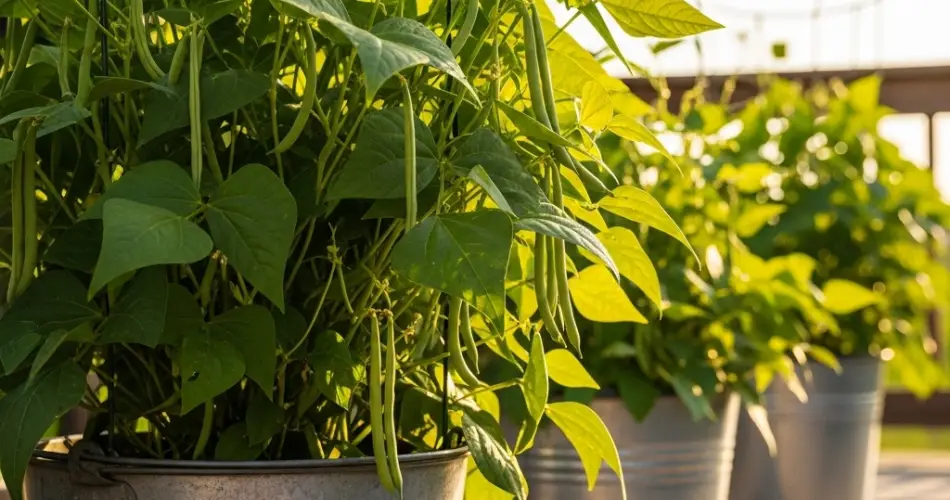
Green beans are a favorite among home gardeners due to their fast growth, delicious flavor, and high nutritional value. For gardeners with limited space, growing green beans in buckets offers a convenient and productive solution. Container gardening allows for better control over soil, moisture, and sunlight, ensuring healthy plants and abundant harvests. This guide provides essential tips for soil preparation, watering, and overall care of green beans grown in buckets.
Why Grow Green Beans in Buckets?
Bucket gardening is ideal for green beans because it provides a controlled environment where roots can develop freely and drainage can be optimized. Containers are especially useful for urban gardeners, apartment dwellers, or anyone with limited outdoor space. Growing beans in buckets allows you to manage sunlight exposure, monitor soil quality, and protect the plants from pests and adverse weather conditions.
Choosing the Right Green Bean Variety
Green beans come in two main types: bush and pole varieties. Bush beans are compact, grow upright without support, and are ideal for small containers. Pole beans, on the other hand, require trellises or stakes for vertical growth but typically produce higher yields over a longer period. When growing in buckets, compact bush varieties such as “Contender,” “Provider,” or “Bush Blue Lake” are excellent choices for maximizing space while minimizing maintenance.
Selecting and Preparing Buckets
Choose buckets that are at least 12 inches deep and wide to accommodate root growth and allow proper drainage. Larger containers are ideal if planting multiple beans together. Drill several drainage holes at the bottom of each bucket to prevent waterlogging, which can cause root rot. To enhance drainage, you can place a thin layer of gravel or small stones at the bottom before adding soil. Clean buckets thoroughly before planting to reduce the risk of disease.
Soil Preparation
Green beans thrive in well-draining, fertile soil with a slightly acidic to neutral pH (6.0–7.0). Fill your bucket with a high-quality potting mix enriched with compost or organic matter. Compost improves nutrient content and helps retain moisture without becoming soggy. Adding perlite or coarse sand can further enhance drainage and aeration. Avoid heavy garden soil, which can compact in containers and restrict root development.
Planting Green Beans
For bush varieties, plant seeds directly into the prepared soil about 1 inch deep, spacing them 2–4 inches apart depending on the variety. For pole beans, provide a small trellis or stake in the bucket before planting seeds around its base. Water gently after planting to settle the soil around the seeds. Green beans typically germinate within 7–14 days under ideal conditions.
Sunlight Requirements
Green beans require full sun to thrive, ideally six to eight hours per day. Place your buckets in a sunny spot on your balcony, terrace, or patio. In areas with extremely hot afternoons, providing partial shade can help prevent leaf scorching and stress. Adequate sunlight is essential for flowering, pod development, and overall plant vigor.
Watering Tips
Consistent moisture is crucial for healthy green bean growth. Water the buckets whenever the top inch of soil feels dry, ensuring the water penetrates deep into the root zone. Avoid overwatering, as soggy soil can lead to root rot and other diseases. Mulching the soil surface with straw or shredded leaves helps retain moisture, reduces soil temperature fluctuations, and minimizes weed growth.
Fertilization
Green beans are relatively light feeders, especially when grown in containers. However, supplementing the soil with a balanced fertilizer or compost tea every three to four weeks can promote healthy leaf growth and pod production. Avoid over-fertilizing with high nitrogen fertilizers, as this encourages excessive leaf growth at the expense of bean production.
Supporting and Pruning
For pole beans, provide a trellis or stakes for vertical growth. Gently tie the stems to the support as they climb. Bush beans generally do not require support but benefit from occasional pruning of yellowing or damaged leaves to improve airflow and reduce disease risk.
Harvesting Green Beans
Green beans are typically ready for harvest within 50–60 days for bush varieties and slightly longer for pole beans. Harvest pods when they are firm, crisp, and tender before seeds inside fully develop. Regular harvesting encourages the plant to produce more pods throughout the season. Morning harvests yield the freshest beans with the best flavor.
Conclusion
Growing green beans in buckets is an excellent way to maximize limited space while enjoying fresh, homegrown vegetables. By selecting the right varieties, preparing nutrient-rich soil, providing adequate sunlight, and maintaining proper watering practices, you can cultivate healthy, productive green beans on a balcony, patio, or small garden corner. With consistent care and attention, bucket-grown green beans offer a satisfying and bountiful harvest for urban gardeners and small-space enthusiasts.


