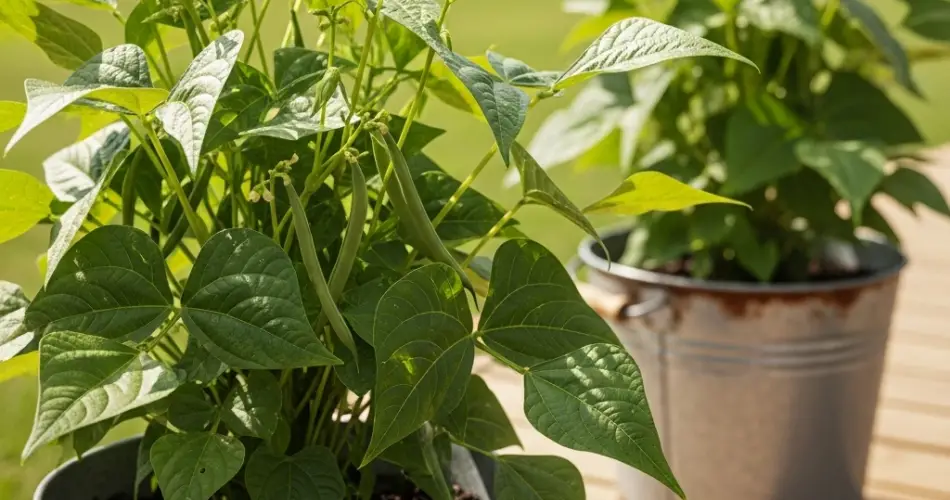
Growing beans in containers is an excellent option for gardeners with limited space, balconies, patios, or small backyards. Beans are vigorous climbers, and providing proper support is essential for maximizing yields and keeping plants healthy. Trellises not only help beans grow upward, saving space, but they also improve air circulation, reduce disease, and make harvesting easier. With a variety of trellis designs suitable for container gardening, gardeners can choose structures that are functional, attractive, and well-suited to their available space.
Why Use a Trellis for Beans in Containers?
Beans are natural climbers, and many popular varieties, such as pole beans, require vertical support to reach their full potential. Without a trellis, climbing beans sprawl across the container and surrounding areas, leading to tangled stems, reduced airflow, and increased risk of fungal diseases. A trellis helps plants grow upward, maximizing space and keeping leaves and fruit off the ground. Additionally, trellises make harvesting easier, as pods are more accessible and visible.
Selecting the Right Container
Before installing a trellis, ensure that your container is suitable for growing beans. Pole beans need deeper pots, typically at least 12 inches in diameter and 12–14 inches deep, to accommodate the root system. Larger containers are ideal for multiple plants and help prevent overcrowding, which can reduce yield and airflow. Make sure the container has adequate drainage holes to avoid waterlogging, which can damage roots and stunt plant growth.
Soil Preparation
Healthy, nutrient-rich soil is essential for robust bean growth. A well-draining container mix supports root development and provides necessary nutrients for flowering and pod production. A recommended mix includes:
-
50% garden soil or loamy topsoil: Provides structure and minerals.
-
30% compost or well-rotted organic matter: Enhances fertility and retains moisture.
-
20% perlite, coarse sand, or vermiculite: Ensures aeration and prevents compaction.
Incorporate a slow-release organic fertilizer or aged manure into the soil before planting to provide essential nutrients throughout the growing season. Avoid dense clay soils that can restrict root growth and trap excess water.
Trellis Options for Container Beans
-
A-Frame Trellis: This simple design uses two angled supports joined at the top, forming an “A” shape. Beans can climb both sides, making it ideal for narrow spaces and easy access. A-frame trellises are stable and work well for small to medium-sized containers.
-
Teepee or Pyramid Trellis: Constructed by tying three or four poles together at the top, this trellis provides a natural climbing structure for beans. It is aesthetically pleasing and allows plants to grow in multiple directions, maximizing vertical space in small containers.
-
Vertical Stakes or Poles: For a minimalist approach, a single or pair of sturdy stakes inserted into the container can support a few bean plants. Use twine, string, or netting for vines to climb. This method works well for limited space and is easy to assemble.
-
Wall-Mounted or Trellis Netting: Attaching netting or lattice to a wall or railing allows beans to grow vertically without freestanding structures. This design saves floor space and can turn walls or fences into productive growing areas.
-
Obelisk or Cage Trellis: Wire cages or obelisks are perfect for decorative container gardens. Beans wrap around the structure, creating an attractive display while keeping vines supported. These trellises are also easy to move if needed.
Planting and Training Beans
Plant bean seeds or seedlings in your prepared container at the base of the trellis. Space seeds 3–4 inches apart and provide initial support by gently tying young vines to the trellis with soft twine. As the beans grow, continue guiding them upward, twisting vines around supports or weaving them through netting. Proper training ensures plants grow vertically, reducing stress on stems and maximizing light exposure.
Care and Maintenance
Container-grown beans require consistent moisture, especially during flowering and pod development. Water deeply but avoid waterlogged conditions. Fertilize lightly with liquid organic fertilizer every two to three weeks to support continuous flowering and pod formation. Prune any damaged or overcrowded stems to maintain airflow and reduce disease risk. Regular monitoring for pests like aphids and beetles ensures healthy growth.
Harvesting
Beans are ready to harvest once pods reach the expected size for the variety. Frequent harvesting encourages continuous production, as mature pods stimulate new flowering and pod formation. Trellised beans are easier to pick, as pods are elevated and more visible than those growing along the soil.
Conclusion
Using a trellis for container-grown beans maximizes space, improves plant health, and simplifies harvesting. Whether you choose an A-frame, teepee, vertical stakes, wall-mounted netting, or decorative cage, trellises help beans grow upright, enhancing yields and aesthetics. By combining proper containers, fertile soil, and consistent care with a sturdy trellis, gardeners can enjoy a productive, space-saving bean harvest right at home.


