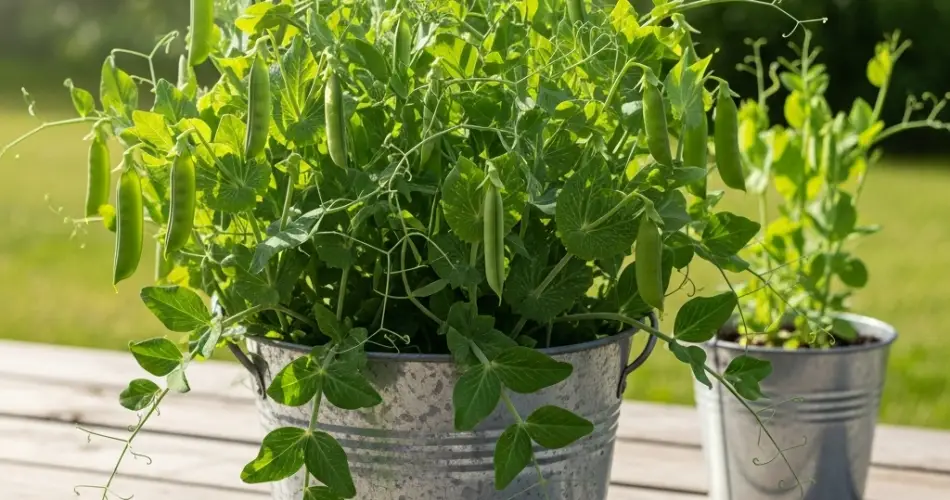
Growing green peas at home is a rewarding way to enjoy fresh, nutritious vegetables straight from your garden. For gardeners with limited space, bucket planting offers a simple and effective solution. Using containers allows for better control over soil, drainage, and sunlight, making it possible to cultivate healthy, productive pea plants even on a balcony or small patio. This guide provides practical tips for growing green peas successfully in buckets.
Why Bucket Planting Works for Green Peas
Bucket planting is ideal for green peas because it provides a controlled environment for root development and moisture management. Containers help prevent waterlogging while keeping the soil nutrient-rich, which is essential for pea growth. For urban gardeners or those with limited outdoor space, bucket planting maximizes productivity and makes harvesting easier. Additionally, container-grown peas are less prone to pests and diseases often found in traditional garden plots.
Choosing the Right Pea Variety
Green peas come in various types, including bush and climbing (pole) varieties. Bush peas are compact, grow upright, and require minimal support, making them perfect for smaller containers. Climbing varieties, such as “Sugar Snap” or “Snow Peas,” produce higher yields but need a trellis or support for vertical growth. When planting in buckets, choose a variety that suits your space and growing goals. Compact bush varieties are especially suited for balconies, while climbing types work well with a small trellis or stake inserted into the container.
Selecting and Preparing Buckets
Choose containers that are at least 10–12 inches deep to provide enough room for roots to grow. Wide buckets are preferable if planting multiple pea plants together. Ensure that the containers have drainage holes at the bottom to prevent waterlogging, which can cause root rot and reduce yields. To enhance drainage, you can place a thin layer of gravel or small stones at the bottom before adding soil. Clean the buckets thoroughly before planting to avoid introducing pathogens.
Soil Preparation
Green peas prefer well-draining, fertile soil with a slightly acidic to neutral pH (6.0–7.0). Use a high-quality potting mix enriched with compost or well-rotted organic matter. Compost improves soil fertility and retains moisture, creating ideal conditions for healthy pea plants. Adding perlite or coarse sand enhances aeration and prevents soil compaction in containers. Avoid using heavy garden soil, which may restrict root growth and reduce overall plant health.
Planting Green Peas
Sow pea seeds directly into the prepared soil about 1–2 inches deep, spacing them 2–3 inches apart. For climbing varieties, install a small trellis, stakes, or bamboo poles before planting to support vertical growth. Water gently after planting to settle the soil around the seeds. Green peas generally germinate within 7–14 days under optimal conditions, producing strong seedlings that can thrive in container environments.
Sunlight Requirements
Green peas thrive in full sun but can tolerate partial shade. Place your buckets in a location where they receive at least four to six hours of direct sunlight per day. Adequate sunlight promotes strong stems, healthy foliage, and robust pod development. In areas with hot afternoons, providing light shade can prevent leaf scorching and improve overall plant health.
Watering and Maintenance
Consistent moisture is essential for container-grown peas. Water the plants whenever the top inch of soil feels dry, making sure the water penetrates deeply into the root zone. Avoid overwatering, as excessive moisture can lead to fungal diseases and root rot. Mulching the soil surface with straw or shredded leaves helps retain moisture, regulate soil temperature, and suppress weeds. Regularly check plants for yellowing leaves or signs of pests, and remove affected foliage as needed.
Fertilization
Green peas generally require minimal fertilization because they fix nitrogen from the air. However, adding a small amount of balanced fertilizer or compost tea at planting and during growth can support early development and improve yields. Avoid over-fertilizing with high nitrogen fertilizers, as this can result in lush foliage at the expense of pod production.
Harvesting Green Peas
Peas are ready for harvest when the pods are plump and tender, usually 60–70 days after planting, depending on the variety. For continuous production, pick the outer pods first and allow the inner ones to mature. Regular harvesting encourages the plant to produce more pods throughout the season. Morning harvests typically yield the freshest and sweetest peas.
Conclusion
Growing fresh green peas in buckets is an efficient and rewarding way to enjoy homegrown vegetables in small spaces. By selecting the right variety, preparing nutrient-rich soil, providing adequate sunlight, and maintaining proper watering, you can cultivate healthy pea plants on a balcony, terrace, or patio. Bucket planting offers urban gardeners a convenient, productive, and enjoyable method to bring fresh, flavorful green peas from the garden to the table.


